Nature Stone: Beauty, Types, and Uses Explained
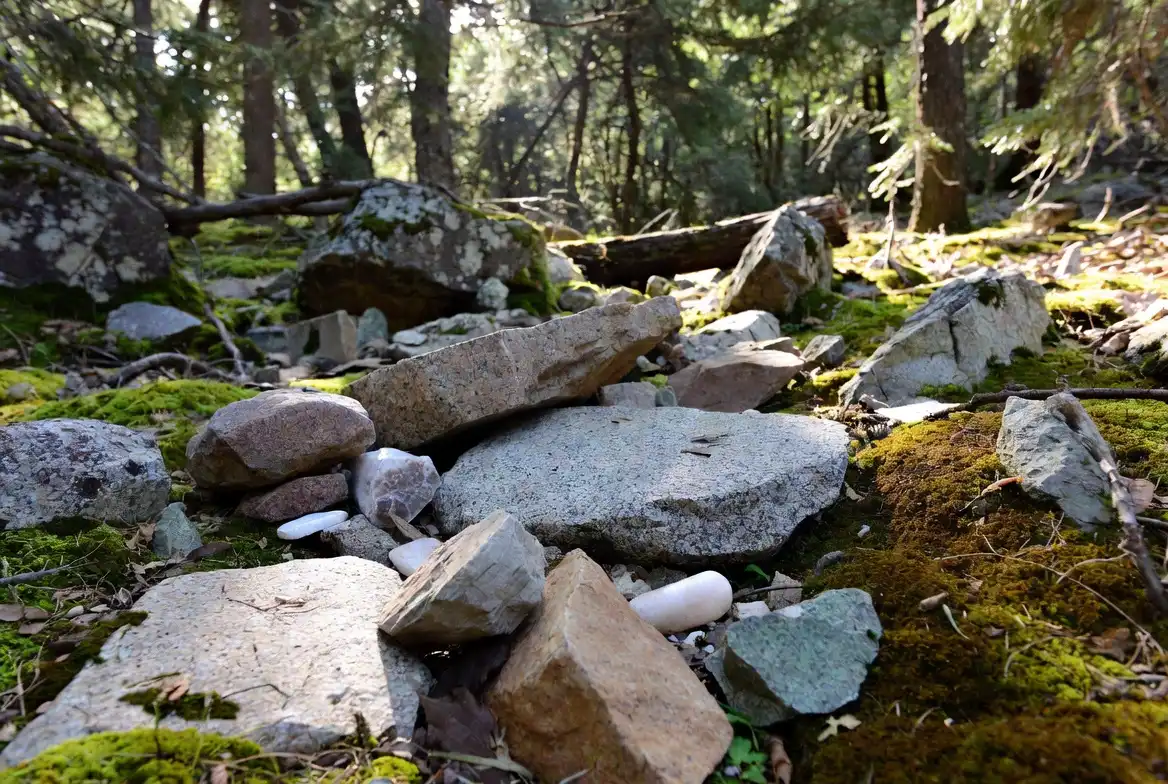
Nature stone is one of the most beautiful and enduring materials found on Earth. Formed over millions of years through geological processes, natural stone comes in a remarkable range of colors, textures, and forms. From smooth river pebbles to dramatic granite cliffs, stone shapes the landscapes we admire and the environments we explore. This guide covers the most popular types of nature stone, how they form, where they appear in the wild, and why so many people feel a deep connection to the natural world through stone.
What Is Nature Stone?
Nature stone refers to any rock or mineral material that forms through natural geological processes rather than being manufactured. It includes sedimentary, igneous, and metamorphic rocks, each created under different conditions beneath or on the Earth’s surface.
Unlike synthetic materials, every piece of natural stone is unique. No two slabs of marble, no two pieces of slate, and no two river stones are ever exactly alike. That individuality is a large part of what makes nature stone so visually striking and personally meaningful to those who seek it out in the wild or use it in their surroundings.
According to Wikipedia’s overview of rock classification, rocks are broadly divided into three categories based on how they form, and understanding these categories helps explain why different types of nature stone look and feel so different from one another.
The Three Main Types of Nature Stone
Igneous Stone
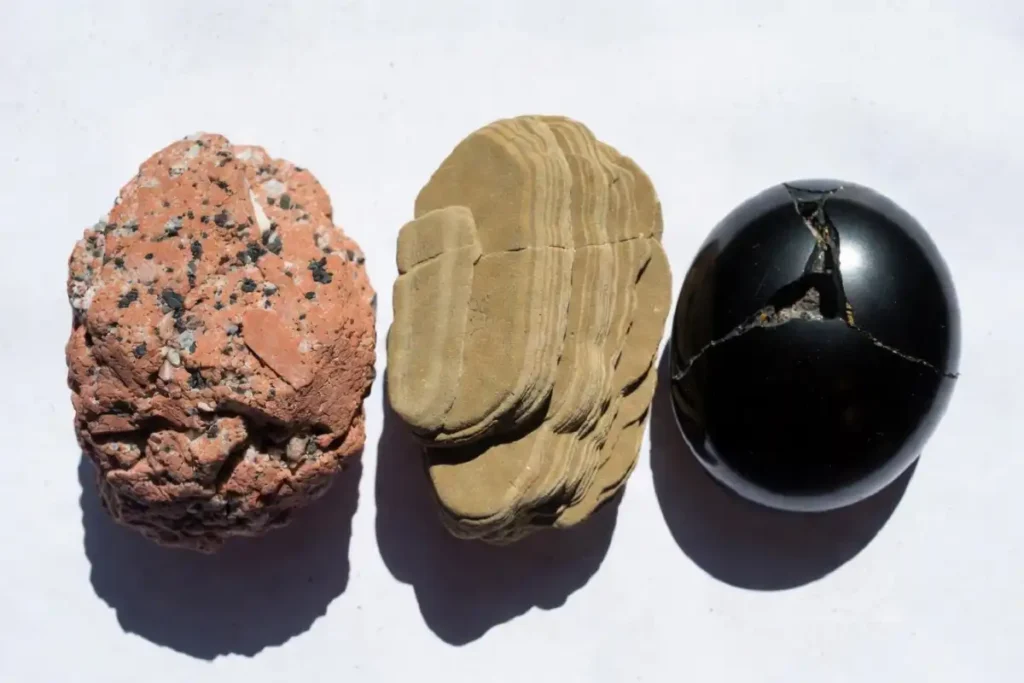
Igneous stone forms when molten rock cools and solidifies. This can happen deep underground, producing coarse-grained rocks like granite, or at the surface through volcanic activity, producing fine-grained or glassy rocks like basalt and obsidian.
Granite is perhaps the most widely recognized igneous nature stone. Its speckled pattern of quartz, feldspar, and mica gives it a distinctive, almost sparkling appearance. It is incredibly hard and resistant to weathering, which is why it appears naturally in mountains, riverbeds, and coastal cliffs around the world.
Obsidian, formed from rapidly cooled lava, has a glassy black surface that has fascinated people for thousands of years. It fractures into sharp edges, and its reflective surface catches light in a way few other stones do.
Sedimentary Stone
Sedimentary stone forms when layers of sand, silt, shell, and organic material accumulate and compress over long periods. Sandstone, limestone, and shale are common examples found throughout natural landscapes.
Sandstone is especially beloved for its warm tones ranging from cream and tan to deep red and orange. It erodes into striking formations in desert landscapes and canyon systems, producing some of the most photographed natural scenery on Earth.
Limestone often forms in shallow marine environments and may contain visible fossils, making it a nature stone that literally carries history within it. Walking along a limestone outcrop sometimes reveals the shapes of ancient sea creatures pressed into the rock.
Metamorphic Stone
Metamorphic stone begins as another rock type but transforms under intense heat and pressure deep within the Earth. Marble, slate, and quartzite are all metamorphic stones.
Marble is formed from limestone that has recrystallized under heat, producing its smooth texture and often striking veined patterns. Slate forms from shale and splits into flat, even layers. Quartzite begins as sandstone and becomes one of the hardest natural stones after metamorphism.
Where Nature Stone Appears in the Wild
Natural stone is visible in almost every outdoor environment. It frames coastlines, forms canyon walls, lines riverbeds, and rises as mountain peaks. The stone you see in a single hiking trail may span multiple geological eras and rock types.
River stones are polished smooth by years of water movement, creating the rounded pebbles many people collect as keepsakes. Coastal cliffs often expose layers of sedimentary rock that read like pages in the Earth’s history.
If you enjoy exploring natural landscapes where stone plays a central role, trails through old-growth forests often reveal fascinating geological features. The Fern Forest Nature Center is one example of a place where natural stone formations and forest ecology combine to create a genuinely immersive outdoor experience.
The Colors and Textures of Natural Stone
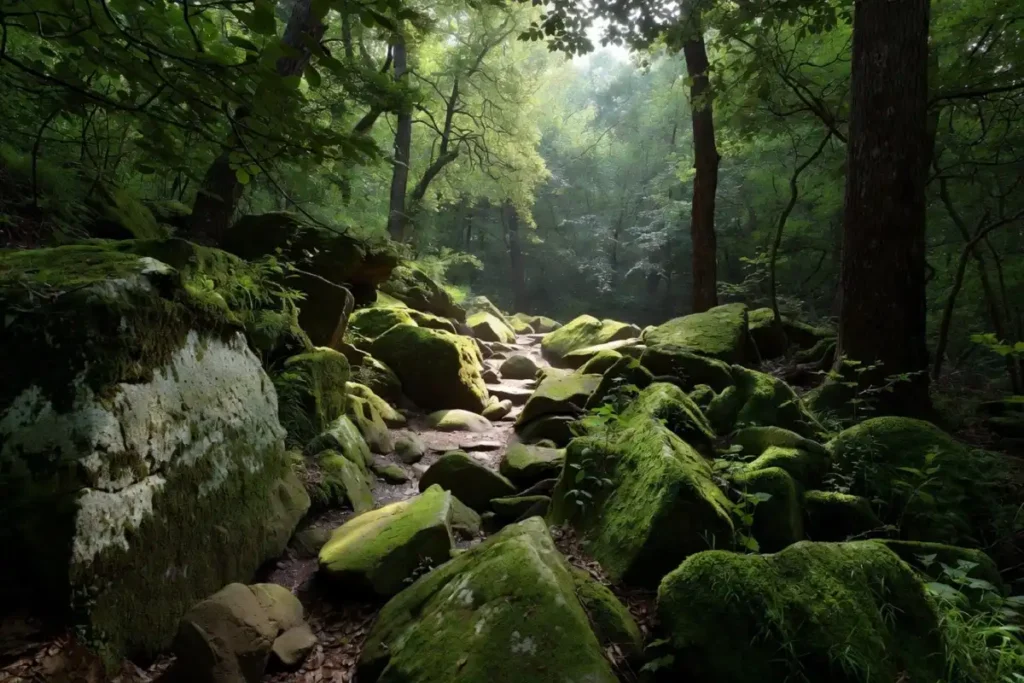
One of the most captivating aspects of nature stone is the sheer range of colors it displays. These colors come from the minerals within the stone and the conditions under which it formed.
- Red and orange tones in sandstone and jasper come from iron oxide content
- Green hues in serpentine and malachite reflect magnesium and copper minerals
- White and gray tones in marble and granite indicate quartz and feldspar
- Black coloring in basalt and obsidian results from rapid cooling of iron-rich lava
- Pink shades in rose quartz and certain granites come from trace amounts of titanium and manganese
Texture varies just as widely. Some stones feel rough and grainy, others are smooth and almost silky. Slate cleaves in clean flat planes. Pumice is full of tiny holes from volcanic gases. Flint is dense and glassy. Each texture tells a different story about how that stone was made.
For those drawn to the artistic side of natural materials, nature clipart and creative nature imagery can offer a starting point for exploring the visual appeal of stone and natural textures in creative projects.
Nature Stone in Natural Ecosystems
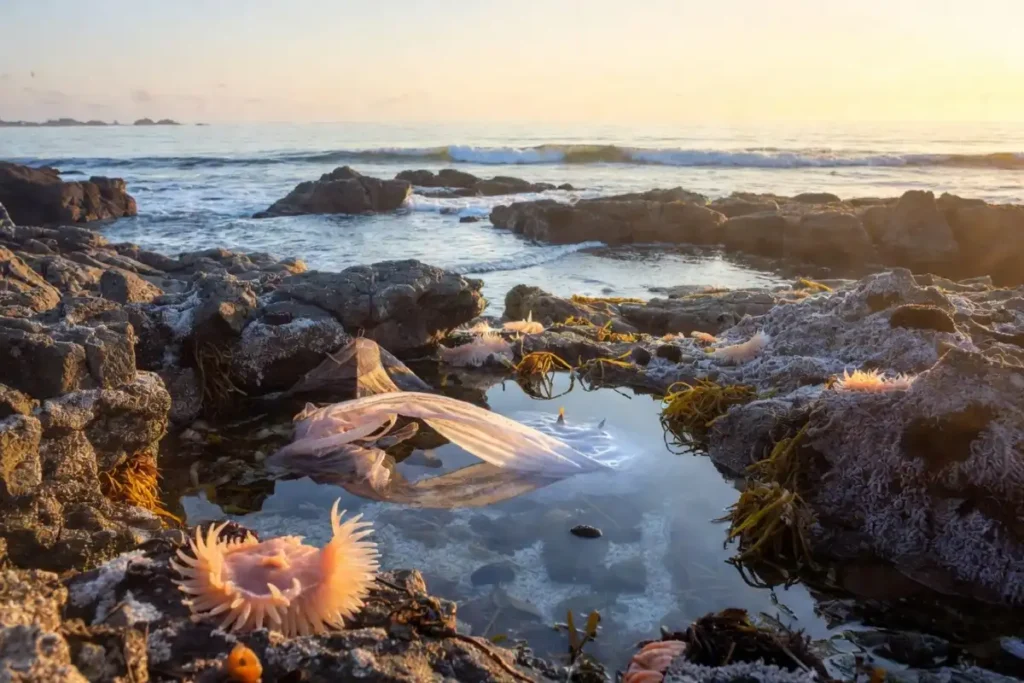
Stone is not just scenery. It plays an active role in ecosystems. Rock surfaces provide shelter for insects, small mammals, lizards, and birds. Tide pools form in hollows worn into coastal rocks, supporting entire communities of marine life. Lichen colonies grow directly on stone surfaces, slowly breaking them down and contributing to soil formation over centuries.
Streams lined with natural stone regulate water temperature and flow, creating habitat for fish and aquatic insects. Forest floors covered in rocky outcrops support specialized plant communities adapted to the thin, fast-draining soil that forms between stones.
This ecological role is explored well at centers dedicated to natural habitats. The Indian Creek Nature Center offers a good example of how stone-rich natural environments support diverse local wildlife and plant communities.
Understanding stone as a living part of ecosystems rather than just a backdrop shifts the way many people experience the outdoors. A boulder is not just a rock. It is a microhabitat, a water regulator, and a centuries-old feature of the landscape.
Collecting and Appreciating Natural Stone
Rock and mineral collecting is a hobby enjoyed by people of all ages. Known formally as rockhounding, it involves finding, identifying, and appreciating natural stones in the field. Many collectors focus on specific types such as crystals, fossils, or agates.
When collecting nature stone, a few basic principles help protect both the environment and future visitors:
- Only collect from areas where it is permitted
- Take small quantities and leave the site as you found it
- Learn to identify what you find using a reliable field guide
- Handle delicate formations with care to avoid damage
The Mineralogical Society of America provides educational resources on mineral and rock identification for those who want to deepen their understanding of natural stone beyond casual appreciation.
Appreciating stone does not require a collection at all. Simply learning to notice the rock types beneath your feet on a hike, or pausing to look closely at a stone wall or riverbed, brings a new layer of awareness to time spent in nature.
FAQs

What is nature stone made of?
How is natural stone different from artificial stone?
Can nature stone be used in garden landscaping?
Why do some stones have layers or stripes?
Where can I learn more about rocks and minerals?
Is it safe to collect stones from rivers or beaches?
Conclusion
Nature stone is far more than a background element in the landscapes we explore. It is a record of the Earth’s history, a habitat for wildlife, and a source of beauty that has inspired humans across every culture and era. Whether you encounter it as a smooth pebble in a stream, a towering granite cliff, or a fossil-filled limestone outcrop, natural stone rewards close attention. Taking time to learn about the stone beneath your feet adds real depth to any outdoor experience and deepens your appreciation for the natural world.