Fern Forest Nature Center: Trails, Tips and More
Fern Forest Nature Center is a quiet, shaded preserve in Broward County, Florida. It covers over 240 acres of native landscape and offers a rare chance to walk through habitats that feel untouched by modern development. Towering cypress trees, dense fern carpets, and a network of easy boardwalk trails make it a welcoming spot for families, photographers, and anyone who wants time outdoors. Whether you are a first-time visitor or a returning local, this guide covers everything you need to make the most of your trip to fern forest nature center.
What Is Fern Forest Nature Center?
Fern Forest Nature Center is a county-managed natural preserve located in Coconut Creek, Florida. It sits within Broward County’s park system and is free to enter, which makes it accessible to a wide range of visitors. The preserve protects several distinct Florida ecosystems in a relatively small geographic area, including cypress swamp, broadleaf marsh, and pine flatwoods.
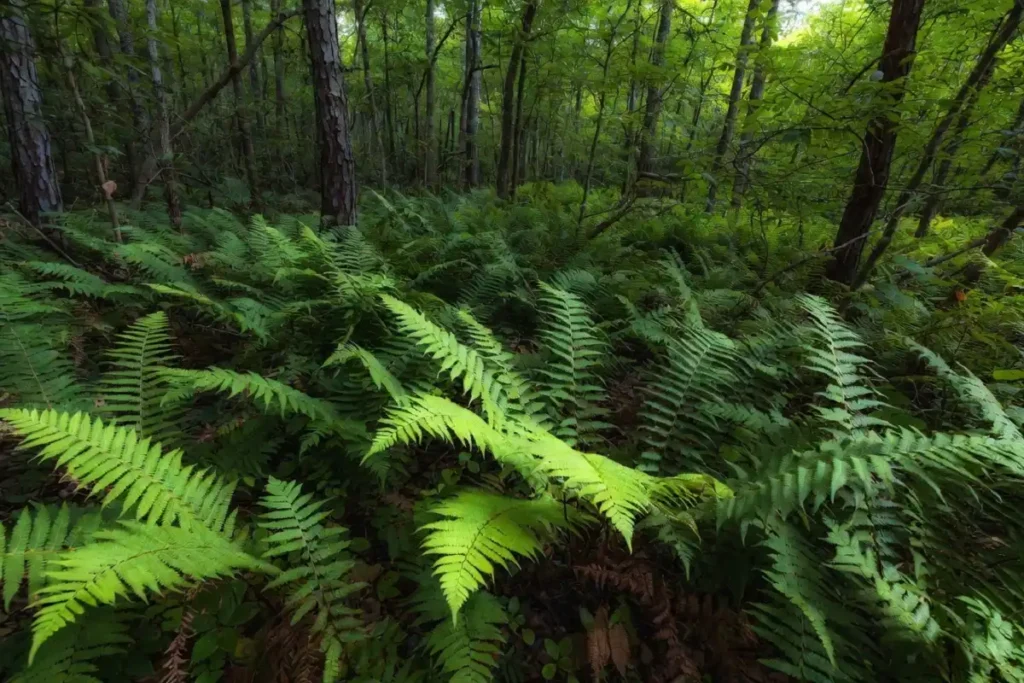
The name comes from the remarkable concentration of fern species found throughout the park. Walking the trails at fern forest nature center, you will notice the ground and tree bases covered in layers of green ferns of different shapes and sizes. This dense, textured undergrowth is what gives the forest its distinctive character.
For context on how Florida’s native plant communities developed over time, the Florida Museum of Natural History offers detailed resources on local ecosystems and native species.
Trails and Boardwalks
The Main Boardwalk
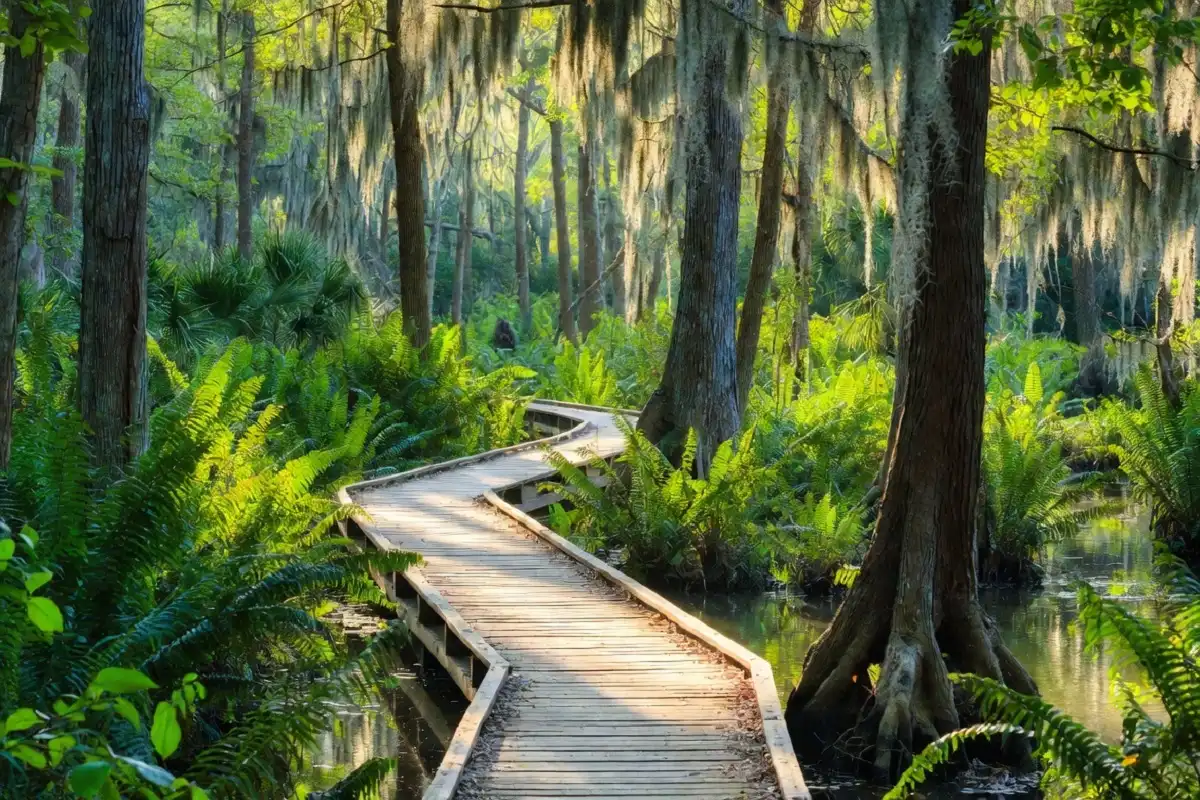
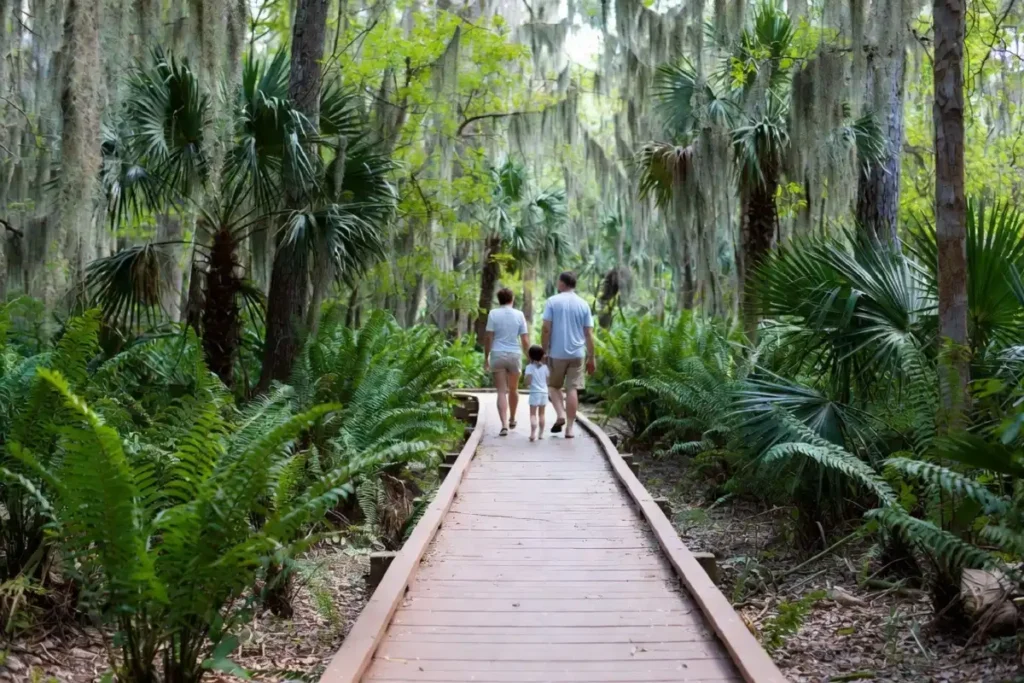
The primary trail at fern forest nature center is a raised wooden boardwalk that runs through the heart of the cypress swamp. Because it is elevated above the forest floor, the path stays walkable even after rain. This makes the preserve a reliable option during Florida’s wet season when many outdoor trails become muddy or flooded.
The boardwalk is relatively flat and easy to navigate, which makes it suitable for visitors of most fitness levels, including older adults and families with young children. The path winds through dense tree cover, keeping it shaded and noticeably cooler than the surrounding areas.
Side Trails and Loop Paths
Beyond the main boardwalk, fern forest nature center also has a series of natural-surface trails that cut through the pine flatwoods section of the preserve. These paths offer a different experience from the swamp boardwalk, with more open canopy, drier ground, and different plant communities.
Combining the boardwalk with one or two side trails gives you a well-rounded view of the park’s range of habitats. The full loop including side trails takes roughly one to two hours at a relaxed pace.
If you enjoy exploring nature preserves with varied trail systems, the guide on Hidden Oaks Nature Center trails, tips, and wonders covers another excellent option worth comparing.
Wildlife You Might See
Fern forest nature center supports a healthy range of native wildlife. Because the preserve covers multiple habitat types, the variety of species you can encounter is wider than in parks with a single ecosystem. Common sightings include:
- Birds: Red-shouldered hawks, barred owls, woodpeckers, and various wading birds near the wetter areas
- Reptiles: Florida softshell turtles, gopher tortoises, and anole lizards
- Amphibians: Tree frogs, particularly active in the evening and after rain
- Mammals: White-tailed deer, raccoons, and opossums are occasionally spotted at dawn or dusk
Bird watching is one of the more rewarding activities at the preserve, especially in the early morning when activity is highest. Bringing binoculars and moving quietly along the boardwalk improves your chances of spotting birds at close range.
According to the Cornell Lab of Ornithology, South Florida is one of the richest bird diversity zones in the continental United States, and preserves like this one contribute significantly to that ecosystem by providing protected habitat.
Plants and Native Vegetation
Fern Species
True to its name, fern forest nature center contains a dense collection of fern species. You will find royal ferns, cinnamon ferns, and leather ferns among the most visible. These grow in thick clusters along the forest floor and on the buttressed roots of cypress trees. For anyone interested in botany, the variety and abundance here is genuinely impressive.
Cypress Trees
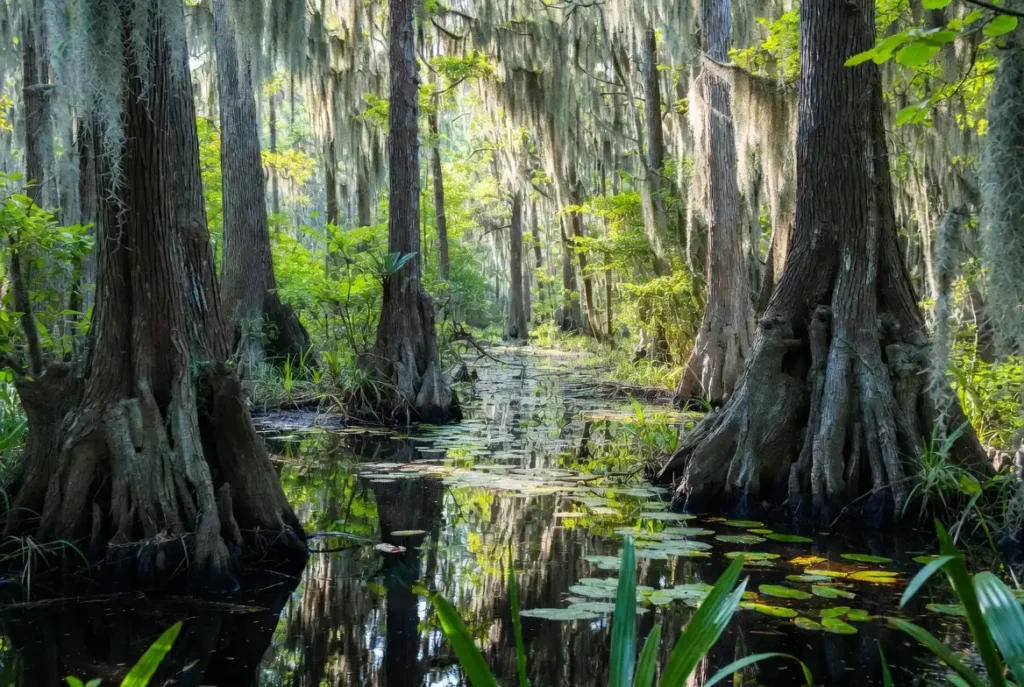
The dominant trees in the wetland areas are bald cypress and pond cypress. These trees create the dramatic vertical structure of the forest canopy. Their wide, flaring bases and occasional knee-like root projections rising from the water are distinctive features that photographers often focus on.
Other Native Plants
Outside the cypress swamp, the pine flatwoods section contains saw palmetto, gallberry, and wiregrass. These plants support a different set of insects and birds, making the transition between habitats an interesting thing to observe as you move between trail sections.
Visiting Fern Forest Nature Center: Practical Information
Getting There
Fern forest nature center is located in Coconut Creek, Florida, in the northern part of Broward County. It sits between Pompano Beach and Deerfield Beach, making it reachable from several surrounding communities. The preserve has a dedicated parking area with no entry fee.
Best Times to Visit
Early morning visits offer the best wildlife sightings and the most comfortable temperatures. Florida’s summer heat and humidity can make midday walks uncomfortable, so arriving before 9 AM is a practical choice from May through September. Winter and spring months offer cooler, drier conditions that are pleasant throughout the day.
What to Bring
A few essentials improve any visit to fern forest nature center:
- Water, especially in warmer months
- Insect repellent for mosquitoes, which are active near the swamp areas
- Comfortable closed-toe shoes, even for the boardwalk sections
- A camera or smartphone for photographing ferns, trees, and wildlife
- Binoculars if bird watching is a goal
Rules and Etiquette
Staying on marked trails protects the fragile plant communities at fern forest nature center. Picking plants, feeding wildlife, and bringing pets off-leash are generally not permitted in county nature preserves. Checking the Broward County Parks and Recreation website before your visit ensures you have current hours and any seasonal access updates.
Educational Programs and Community Value
Fern forest nature center is not just a recreational trail system. It functions as an environmental education resource for the local community. The preserve hosts guided nature walks, school group programs, and seasonal events that connect visitors with Florida’s native ecosystems.
For younger visitors, bringing nature themes home after a visit can extend the learning. Resources like nature coloring pages with printable designs for every age offer a simple, creative way to reinforce what children see on a trail.
The preserve also plays a broader ecological role by protecting native plants from development pressure. In a region like Broward County where urban expansion is continuous, places like fern forest nature center provide water filtration, flood mitigation, and habitat corridors for wildlife.
If you enjoy discovering lesser-known preserves with strong community roots, the article on Indian Creek Nature Center covers another destination with a similar blend of trails and educational programming.
FAQs

Is Fern Forest Nature Center free to visit?
How long does it take to walk the trails?
Are dogs allowed at Fern Forest Nature Center?
Is the boardwalk accessible for strollers and wheelchairs?
What should I do if I see wildlife on the trail?
Conclusion
Fern forest nature center is one of South Florida’s most rewarding outdoor destinations for visitors of any age. Its mix of cypress swamp, pine flatwoods, and fern-covered forest floor gives visitors a layered experience that goes well beyond a simple walk in the park. The boardwalk is accessible, entry is free, and the natural setting feels refreshingly removed from the surrounding urban landscape. Whether you visit for bird watching, photography, a quiet morning walk, or a family outing, fern forest nature center offers something worth returning to. It is a small but important piece of Florida’s natural heritage that deserves more attention than it typically receives.