Things in Nature Merely Grow and Here Are 6 Reasons
Growth is one of the most honest things nature does. Things in nature merely grow according to their own inner logic, without force, without shortcuts, and without pretending to be something else. This guide explores how natural growth works across plants, animals, ecosystems, and even human behavior, and what we can learn by watching it closely. Understanding this principle changes how you see patience, progress, and the world around you.
“Things in nature merely grow” means natural organisms follow their own biological timeline to develop, expand, and mature. Growth in nature is not rushed or manufactured. It happens in stages, driven by internal programming and external conditions like light, water, nutrients, and temperature. You cannot speed it up without consequences, and you cannot fake it.
What Does “Things in Nature Merely Grow” Actually Mean?
The phrase “things in nature merely grow” describes a simple but profound truth. Every living thing in nature follows a built-in developmental path.
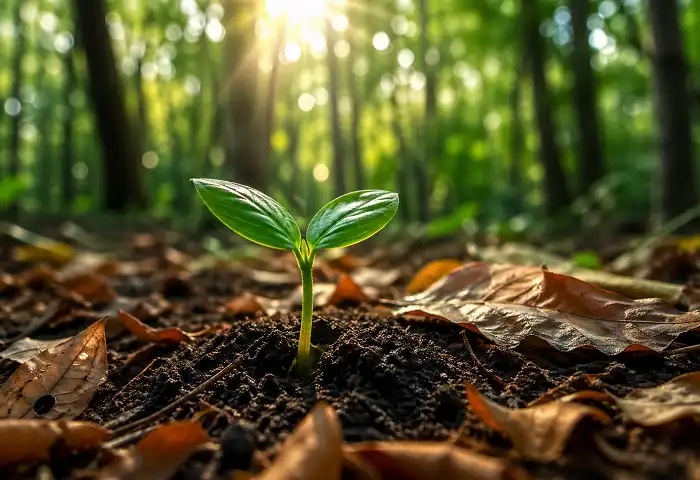
A seed does not decide to become a tree. It just grows when conditions allow. A bear cub does not choose to mature. Its body follows a biological schedule.
This idea traces back to philosophical traditions that contrast natural growth with human-made construction. Things in nature merely grow from within. Human-made objects are assembled from the outside.
The distinction matters. A forest does not need instructions. A river does not need a blueprint. Growth in nature is organic, internal, and self-directed.
How Natural Growth Works: The Core Principles
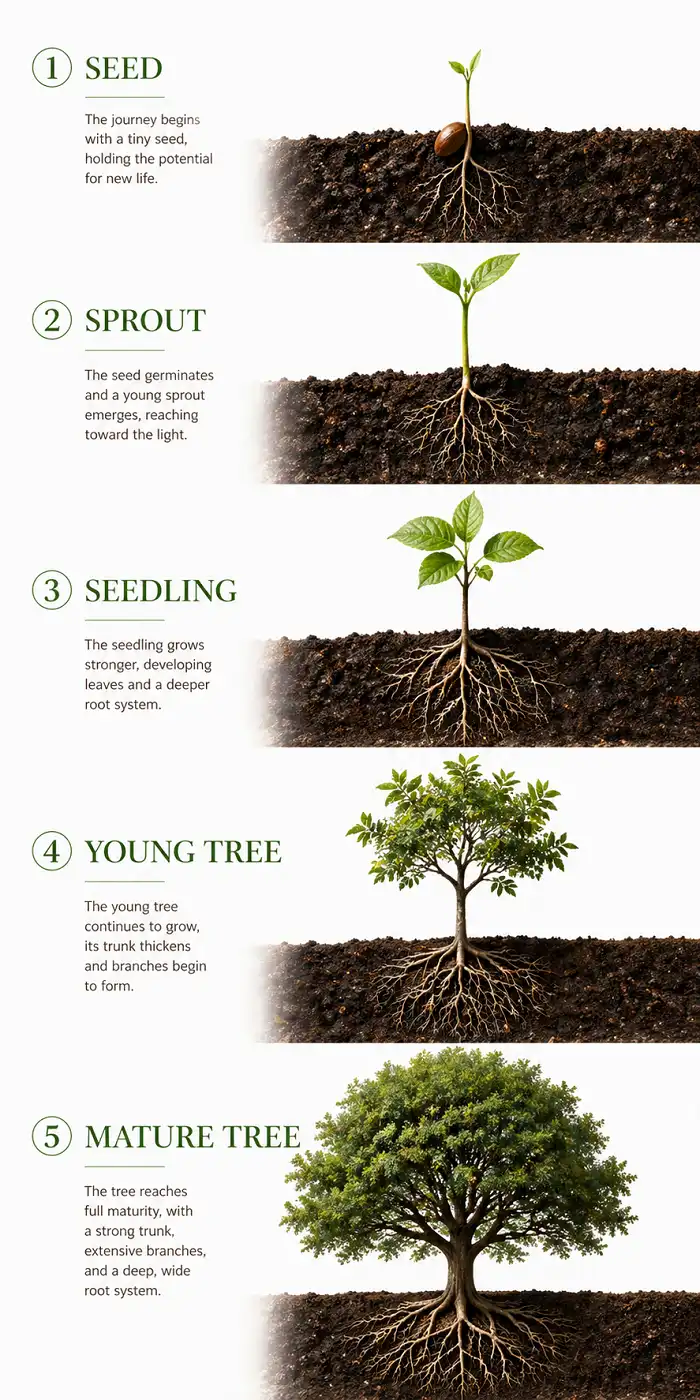
Growth follows internal programming.
Every organism carries genetic instructions that determine its size, shape, lifespan, and developmental stages. A maple tree grows the way a maple tree grows because its DNA says so.
External conditions trigger or block growth.
Sunlight, water, soil nutrients, and temperature act as keys. The right conditions unlock growth. Poor conditions slow or stop it. A drought-stressed plant does not die from lack of effort. It dies from lack of resources.
Growth happens in stages.
There is no skipping. A seedling does not jump to a full-grown oak. Metamorphosis in a butterfly follows a strict sequence: egg, larva, pupa, adult. Each stage prepares the organism for the next.
Growth requires time.
The natural growth cycle of a forest tree can span hundreds of years. Rushing that process with synthetic stimulants often weakens the organism rather than strengthening it.
Where You See Natural Growth in Action
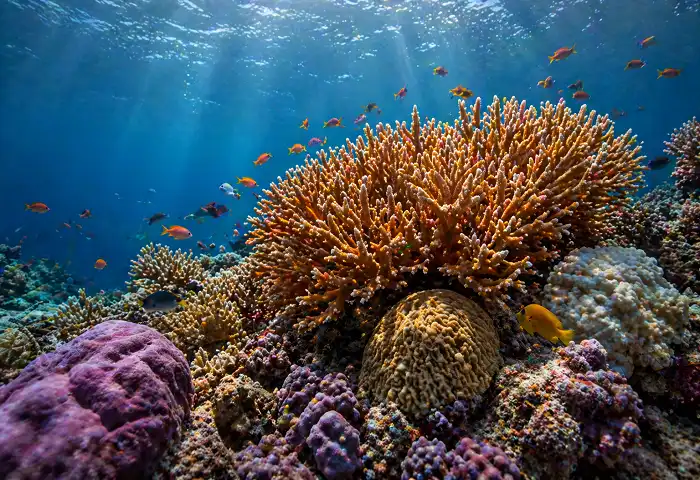
Things in nature merely grow everywhere, if you know what to look for.
Forests and woodland ecosystems
A mature old-growth forest took centuries to develop. Every layer, from the canopy to the understory to the forest floor, grew into its role naturally. Nothing was placed. Everything earned its position through competition, cooperation, and time.
River systems and watersheds
Rivers carve their own paths. A watershed grows by following the easiest routes downhill, shaped by gravity and geology. No engineer designed the bends in a natural river. They grew that way.
Coral reefs
A coral reef grows at roughly 1 to 10 centimeters per year depending on species and water conditions. A healthy reef represents thousands of years of slow, steady biological accumulation.
Animal development
From the growth plates in a young deer’s bones to the gradual greying of a wolf’s muzzle, animal bodies follow their own schedule. You can observe, but you cannot rewrite, the biological clock.
If you enjoy watching nature up close, exploring trails with rich forest ecosystems puts you right inside these growth cycles.
Why Things in Nature Grow Slowly (And Why That’s Correct)
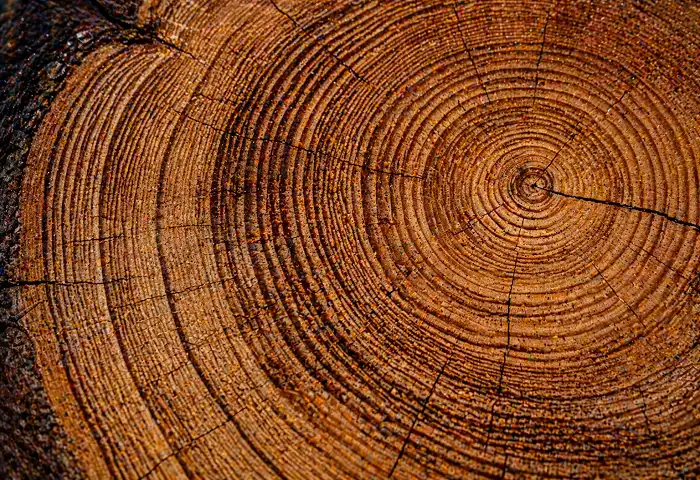
Slow growth builds stronger structure. This is not a metaphor. It is biology.
Fast-grown timber has wider, softer growth rings. It is weaker than slow-grown timber with tight rings. Trees that grow quickly in nutrient-rich conditions often fall first in storms.
Research from forest ecology consistently shows that organisms allowed to mature at their natural pace develop stronger cellular structures, deeper root systems, and more resilient immune responses.
Slow growth also allows ecosystems to build complexity. A 10-year-old forest patch supports far fewer species than a 200-year-old forest because the older forest had time to develop niches, food webs, and microhabitats.
Natural Growth vs. Forced Growth: What Goes Wrong
When humans try to accelerate natural growth, problems follow.
Hormone-treated livestock grow faster but often develop joint and organ problems. The body is outpacing its own structural development.
Fertilizer-heavy agriculture pushes crops to grow faster than their root systems can anchor them. Heavy applications can also degrade soil biology over time, reducing future productivity.
Introduced species that grow without natural predators or competitors expand far beyond their normal range. The growth becomes unchecked and destructive. Kudzu vine in the southeastern United States is one well-known example.
Natural growth works because it is balanced by resistance. Competition, disease pressure, seasonal cycles, and predation all shape organisms into efficient, adapted forms.
Things in Nature Merely Grow: Patterns You Can Learn From
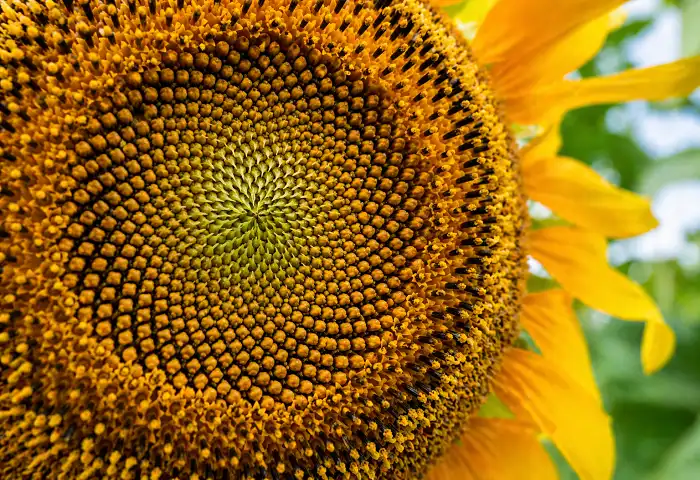
This principle applies beyond biology. It shows up in how healthy systems of any kind develop.
Patterns in natural growth include:
- Fractal branching, seen in river deltas, tree limbs, and lightning
- Fibonacci sequences in sunflower seeds, pinecones, and nautilus shells
- Successional stages in ecosystems, from bare rock to climax forest
These patterns repeat because they are efficient. Nature tests solutions over millions of years and keeps what works.
If you want to go deeper on how these structures appear everywhere, reading about patterns in nature and what causes them is a solid next step.
The Role of Environment in Shaping Natural Growth
No organism grows in isolation. Environment shapes every outcome.
Soil chemistry determines what a plant can absorb. Air temperature determines when dormancy kicks in. Predator pressure determines how fast prey species mature and reproduce.
A cactus grows slowly in a desert because water is scarce. That same cactus in a greenhouse with daily watering may grow faster but often loses its natural drought hardiness.
Environment does not just enable growth. It sculpts it. The final form of a living thing reflects every condition it encountered along the way.
What Happens When Natural Growth Stops
When the conditions for growth disappear, organisms adapt or die.
Trees in extreme drought shed leaves early to reduce water loss. They do not continue growing as if conditions were normal. They pause.
Animals in food-scarce environments reduce reproductive rates. Population growth slows in direct response to carrying capacity.
This feedback mechanism is one of the most important features of natural systems. Things in nature merely grow when resources support growth. When resources drop, growth pauses. This prevents the kind of collapse that comes from unchecked expansion.
What “Things in Nature Merely Grow” Teaches Us About Patience
This phrase carries a quiet lesson about accepting process.
You cannot rush a forest. You cannot negotiate with a seed. Things in nature merely grow at the pace nature allows, and fighting that pace produces fragile results.
Watching nature closely builds a different relationship with time. The beauty of undisturbed natural spaces reminds us that slow development is not failure. It is how durable things are built.
Growth that looks invisible from day to day accumulates into something remarkable over years. That is true for ecosystems, and it tends to be true for most worthwhile things in life too.
Common Mistakes When Observing or Working With Natural Growth
Mistaking slow growth for no growth. A seedling that has not broken soil yet may have an extensive root system already established underground.
Assuming symmetry means health. Wild organisms are rarely perfectly symmetrical. Asymmetry often reflects survival adaptations, not defects.
Intervening without reason. Removing what looks like dead wood from a forest edge eliminates critical habitat for beetles, fungi, woodpeckers, and countless other species. Things in nature merely grow in a connected web. Pulling one thread affects others.
Comparing growth rates across species. A 3-year-old oak is not failing because it is smaller than a 3-year-old cottonwood. Different species have entirely different timelines.
Conclusion
Things in nature merely grow. Not because nature is passive, but because growth from within, at the right pace, with the right conditions, is how lasting structure forms. Every tree ring, every reef layer, every migration route built over generations reflects that principle. Watching it teaches patience. Understanding it teaches respect for process.