Nature vs Nurture Examples: 10 Real Cases
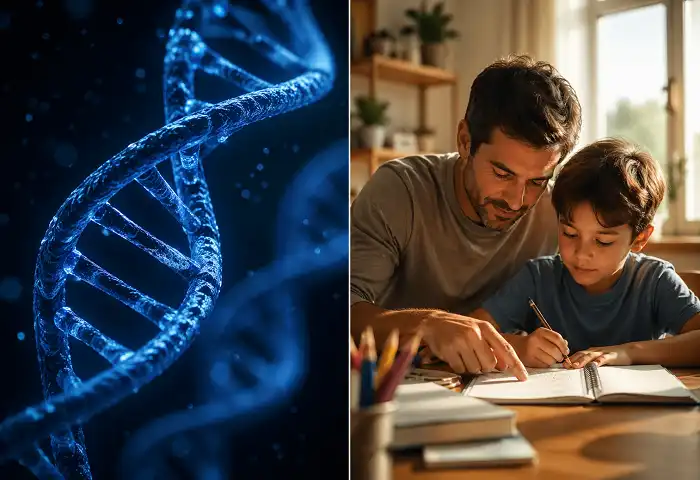
Both genetics and environment shape who you become, and the nature vs nurture examples below show exactly how each force works. This guide covers biological inheritance, environmental influence, twin studies, behavioral science, and child development cases so you can understand both sides with concrete, real context.
Nature refers to genetic traits inherited at birth, like eye color, temperament, and disease predisposition. Nurture refers to environmental factors, like parenting, education, and culture, that shape behavior after birth. Most researchers today agree both work together rather than independently.
What Do Nature vs Nurture Examples Actually Show?
These examples demonstrate that neither force operates alone. Nature covers every trait coded into your DNA at conception, including physical features, cognitive tendencies, and personality patterns passed through generations.
Nurture covers everything after birth. Your home environment, language exposure, trauma, nutrition, and social relationships all belong here.
The central question in developmental psychology is not which matters more, but how both interact to produce the person you become.
Nature vs Nurture Examples in Human Development
1. Eye Color and Physical Traits (Nature)
Eye color is one of the clearest nature vs nurture examples on the nature side. It follows a genetic inheritance pattern tied to specific alleles on chromosome 15. No environmental factor changes it. Blood type, height potential, and certain facial features follow the same logic.
2. Language Acquisition (Both)

Children are born with a neurological capacity for language. That is nature. But they only learn the specific language spoken around them. That is nurture.
A child born to Japanese parents but raised in Canada from birth speaks fluent English or French, not Japanese. The biological foundation requires environmental input to develop fully.
3. Intelligence and IQ (Both)
IQ has a measurable heritable component. Children often score closer to their biological parents than to adoptive ones. But early childhood nutrition, access to quality schooling, and cognitive stimulation also significantly raise or lower measured intelligence.
Neither genetics nor environment alone explains the full picture.
4. Identical Twin Studies (The Clearest Test)

The Minnesota Study of Twins Reared Apart followed identical twins separated at birth and raised in different families. Many pairs showed striking similarities in personality, interests, and habits despite never living together.
This supports a genetic contribution to personality. Among the most cited nature vs nurture examples in behavioral genetics, twin studies show that nature sets strong tendencies, but environment shapes outcomes like academic achievement and mental health.
5. ADHD (Both)
ADHD carries a strong genetic link. Children with a parent diagnosed with ADHD carry higher risk. That is nature.
But prenatal exposure to alcohol or lead, inconsistent parenting, and high-stress home environments increase symptom severity. Nurture amplifies a genetic predisposition. This makes ADHD one of the most studied nature vs nurture examples in clinical psychology.
6. Feral Children (Nurture’s Extreme Power)
Genie Curtiss, isolated from human contact until age 13, never fully developed normal language or social skills despite her intact biology. Her case is among the most documented nature vs nurture examples showing what happens when nurture is almost entirely absent during critical developmental windows.
If you’re interested in how environment shapes behavior and connection, the social nature of humans explores why human contact is biologically essential.
7. Emotional Regulation and Trauma (Nurture)
A child born with a calm temperament can still develop anxiety after repeated childhood trauma. Chronic stress rewires cortisol response patterns and alters the developing brain’s structure. The environment literally changes how genes express themselves, a process called epigenetics.
8. Sexual Orientation (Complex)
Studies suggest a partial genetic contribution to sexual orientation. But no single gene controls it, and cultural factors, psychological development, and self-identification also play roles. Researchers treat sexual orientation as a complex trait, not a binary outcome driven by one factor.
9. Musical and Artistic Talent (Both)
Some people show early natural aptitude for pitch, rhythm, or spatial reasoning. That is a biological edge. But professional musicians train thousands of hours to reach mastery. Without practice and good instruction, natural talent rarely reaches its potential.
The same applies to sport, mathematics, and visual art.
10. Addiction Susceptibility (Both)
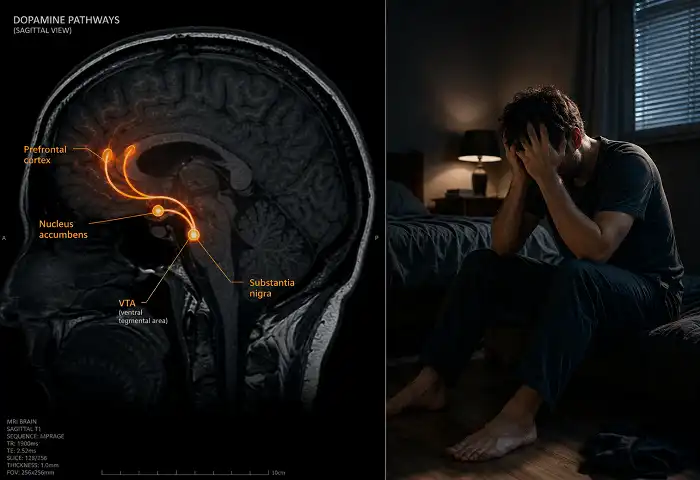
Genetics influence how the brain processes dopamine, affecting addiction risk. A family history of alcoholism signals elevated biological vulnerability. But stress, trauma, peer exposure, and environment trigger whether that risk becomes a diagnosis.
Addiction is among the most practical nature vs nurture examples because it shows how nature sets risk while nurture determines outcome.
How Epigenetics Reshaped the Debate
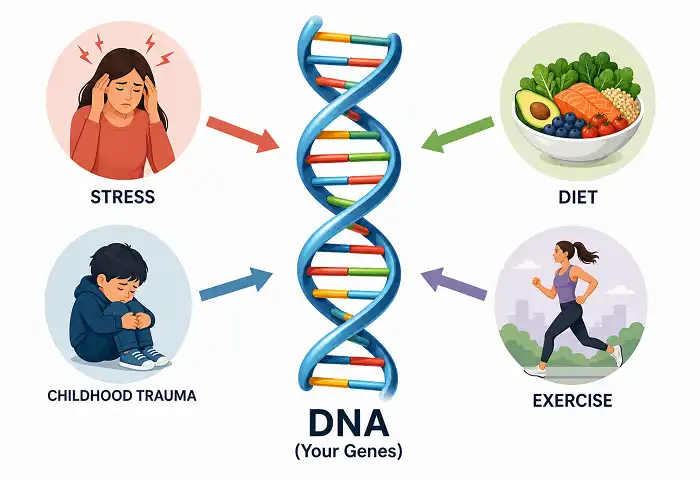
Epigenetics reveals that your environment can switch genes on or off without altering the DNA sequence. Chronic stress, diet, and early childhood experiences leave chemical marks on the genome that can even transfer to the next generation.
This finding made the old binary framing feel outdated. Gene-environment interaction is the more accurate model, where both forces run in a continuous feedback loop throughout life.
Understanding this reframes many classic nature vs nurture examples. Traits once considered fixed by genetics are now understood as responsive to environment, and vice versa.
Common Mistakes People Make
Many people assume nature means fixed and unchangeable. Even strongly heritable traits like height are shaped by childhood nutrition and health.
Others assume nurture is the more ethical position because it implies anyone can change. But ignoring genetic factors leads to poor decisions in education, medicine, and mental health support.
Neither extreme serves the full truth. If you want to go deeper on human behavioral patterns, the laws of human nature offer a useful framework for understanding why people act the way they do.
What the Science Actually Supports
Most developmental psychologists support an interactionist model. The better question is: for this specific trait, in this specific context, which factor carries more weight?
Heritability estimates vary widely by trait, population, and environment measured. That variability is exactly what makes nature vs nurture examples so instructive. Each case teaches something different about how the two forces interact.
Conclusion
Every case covered here points to the same conclusion. You cannot cleanly separate genetics from environment. Nature sets the foundation. Nurture shapes what gets built on it. From twin studies to feral children to addiction research, the science consistently supports one view: both matter, and they work together.