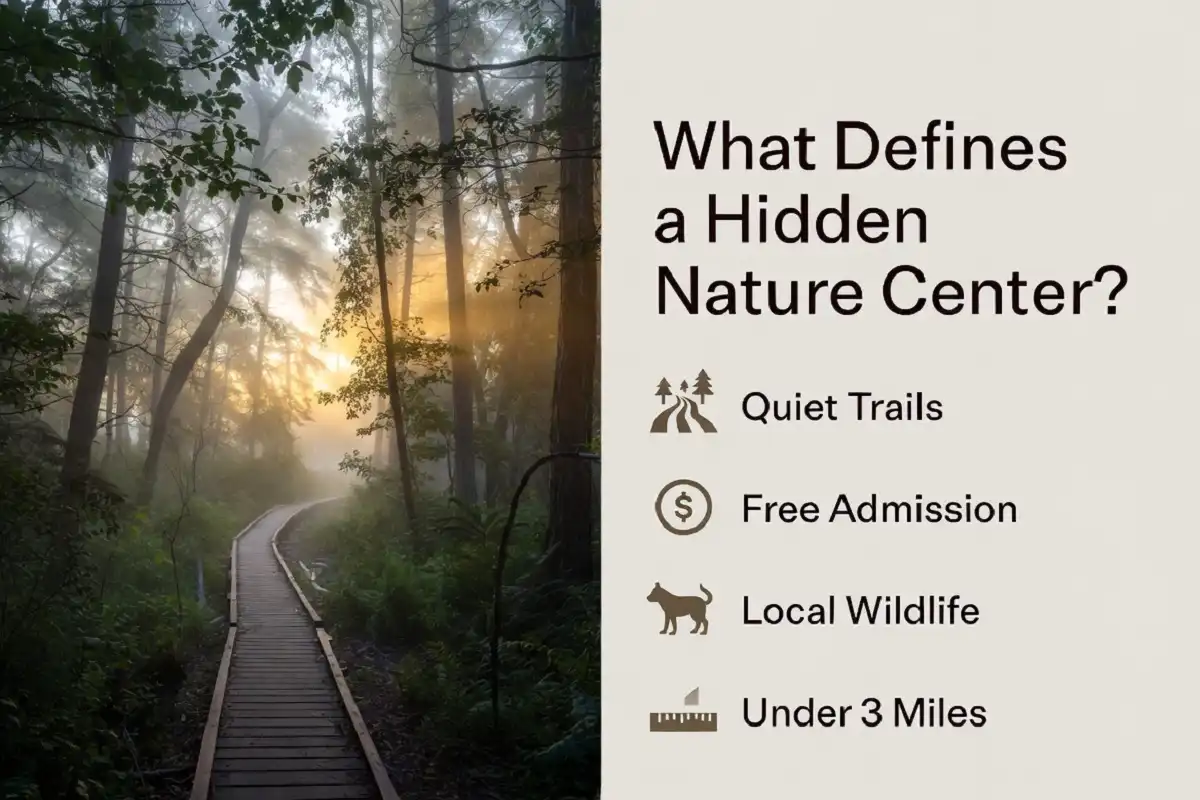
Hidden Nature Centers: The Quiet Trails Most Visitors Never Find
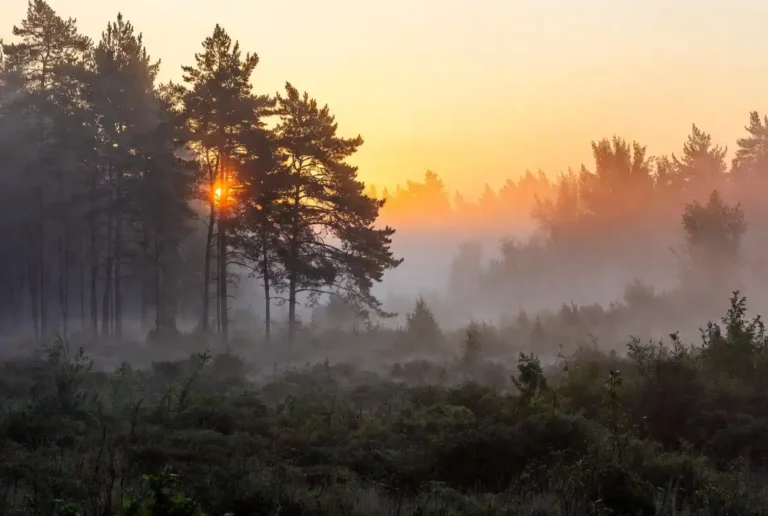
Hidden nature centers sit just off the main road, past the state park signs everyone follows to the same crowded overlook. I’ve found some of my best sunrise shots at these small, quiet properties. Here’s how to find them and what to expect.
Hidden nature centers are small, lesser-known preserves run by counties, nonprofits, or local land trusts. They offer boardwalks, short trails, and wildlife viewing without the crowds of national parks. Most sit within an hour of a major city.
What Makes a Nature Center “Hidden”?
A nature center earns the label “hidden” when it gets little search traffic and no mention in mainstream travel guides. Most of these spots run on a county parks budget or a small nonprofit staff. They don’t advertise. Word spreads through birding clubs, homeschool groups, and locals who walk the same loop every week.
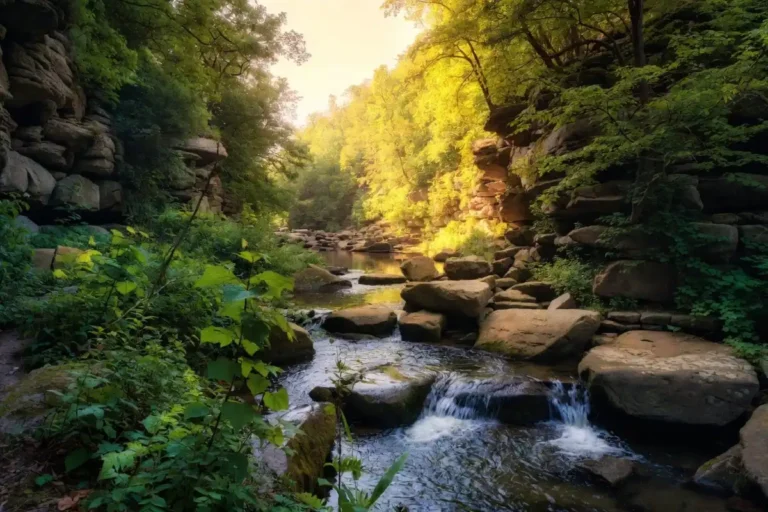
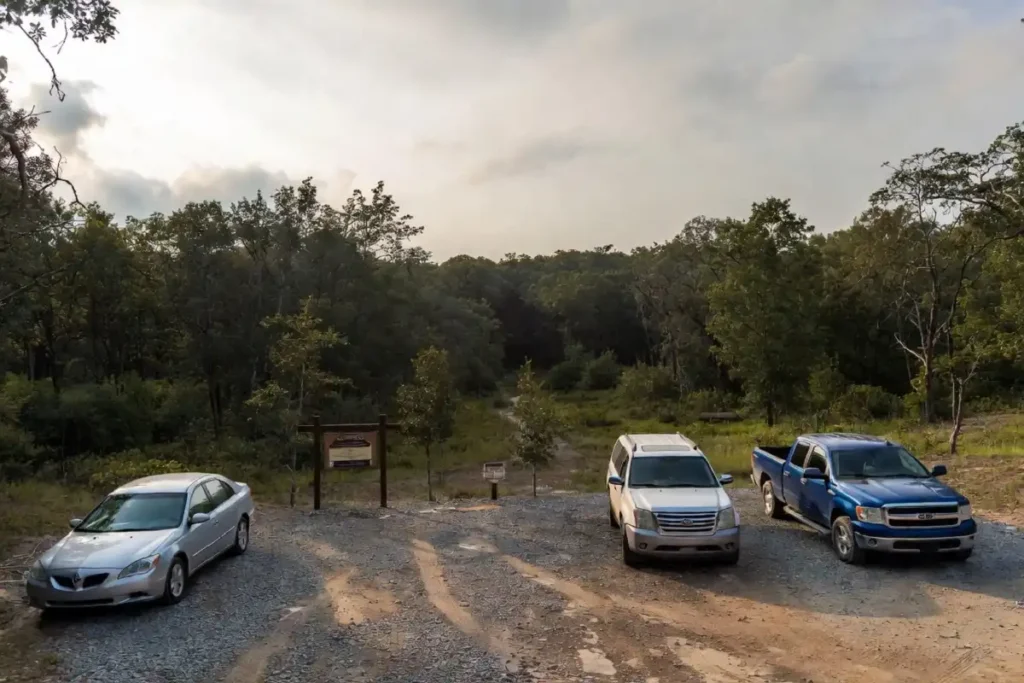
I’ve driven past unmarked gravel turnoffs that led to some of the best boardwalk trails I’ve photographed. The parking lot had three cars. The trail had none of the noise you get at a national park entrance.
Hidden nature centers usually share a few traits:
- A visitor center staffed by volunteers, not rangers
- Trail lengths under three miles
- Free or low-cost admission
- Interpretive signs written by local naturalists, not corporate design teams
- A focus on one ecosystem type: wetland, prairie, old-growth forest, or coastal dune
Why Hidden Nature Centers Are Worth the Detour
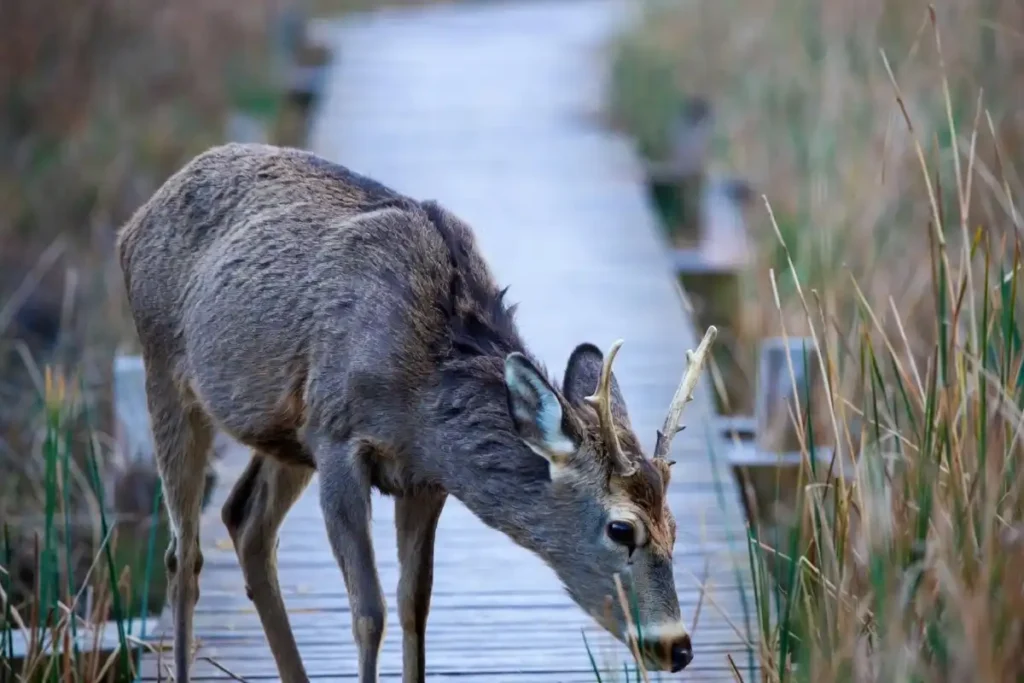
Crowded parks push wildlife away from the trail. These quieter spots keep animal behavior closer to natural. I’ve watched deer graze twenty feet from a boardwalk because the traffic stayed low enough that they stopped treating hikers as a threat.
These smaller preserves protect specific habitat types that bigger parks skip. A three-acre bog or a remnant prairie patch doesn’t fit into a national park’s mission, but a local nature center can dedicate its whole budget to that one ecosystem. You get species density in a small footprint.
Photography benefits too. Fewer people means fewer photobombs, less trail dust kicked into the light, and more time to wait out a shot without someone asking if you’re almost done.
Where to Look for Hidden Nature Centers
Check County and Township Parks Departments First
State and national park websites rank high in search results, but county parks departments run most hidden nature centers. Search your county name plus “nature center” or “preserve” directly on the county government site, not just Google’s top results.
Ask Local Birding and Naturalist Groups
Birding clubs track obscure hidden nature centers because rare species show up in undisturbed habitat. A local Audubon chapter’s field trip calendar often names spots that never appear in tourism marketing.
Look for Land Trust Properties
Land trusts buy and protect small parcels that don’t fit into state park systems. Many open these parcels to the public with minimal signage. A quick search for your region’s land trust name plus “public trails” turns up properties most visitors never hear about.
Talk to Trail Runners and Mountain Bikers
Trail running and mountain biking communities map every legal route in a region, including short loops at hidden nature centers that hikers overlook. Local running store bulletin boards and biking forums are a reliable source.
Standout Hidden Nature Centers Worth Visiting
A few properties across the US show what a well-run small preserve looks like. Hidden Oaks Nature Center protects an old-growth stand that most regional visitors drive past without noticing. Indian Creek Nature Center blends restored prairie with wetland boardwalks and stays quiet even on weekends. Fern Forest Nature Center sits inside a subtropical hardwood hammock that feels far removed from the suburbs around it, and Lake Katherine Nature Center pairs a small lake trail with a butterfly house that draws almost no line even in peak season.
Each of these hidden nature centers rewards a slow pace. Plan an hour minimum, and bring a hand lens if you want to look closely at moss, lichen, or insect activity along the trail.
Best Time to Visit Hidden Nature Centers
Early morning, right at opening, gives the best combination of light and wildlife activity. Hidden nature centers rarely see a rush before 9 a.m., so you get the trail to yourself.
Spring and fall bring the most activity: migrating birds, blooming understory plants, and mild temperatures. Summer works if you start early and avoid midday heat. Winter visits reward patience with clear sightlines through bare trees and fewer insects.
What to Bring on a Hidden Nature Center Visit
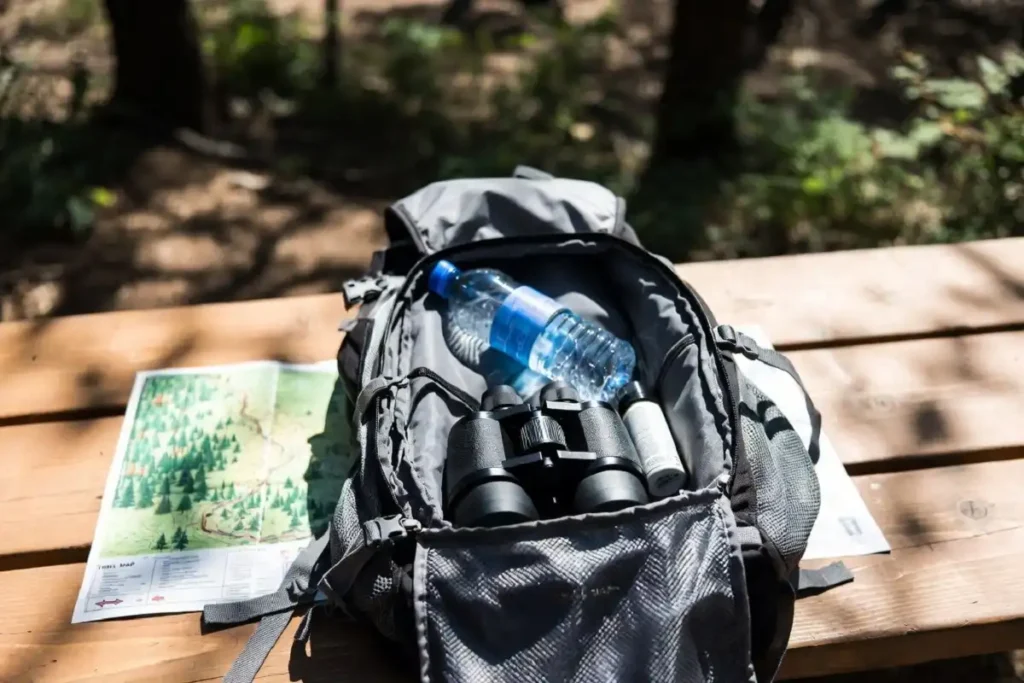
Pack light. Most hidden nature centers have short trails, so you don’t need multi-day gear.
- Water, even for a one-mile loop
- Insect repellent in warmer months
- A trail map printed or downloaded before you arrive, since cell service is often weak
- Binoculars for bird and wildlife viewing
- A camera with a mid-range zoom lens for wildlife that keeps its distance
Trail Etiquette at Hidden Nature Centers
Small preserves depend on visitors following basic etiquette to stay open and undisturbed.
- Stay on marked trails. Off-trail walking damages root systems in old-growth areas.
- Pack out everything you bring in, including food scraps.
- Keep voices low. Hidden nature centers rely on quiet as part of the visitor experience.
- Leave wildlife alone, even when it seems unbothered by your presence.
- Respect posted hours. Many hidden nature centers close at dusk to protect nocturnal species.
Following these rules keeps hidden nature centers accessible for the next visitor and protects the habitat that makes them worth finding in the first place.
What I’d Tell a Friend
Skip the crowded state park entrance this weekend. Search your county parks department site, call ahead to check hours, and go early. Hidden nature centers reward the extra effort with quiet trails, closer wildlife, and the kind of morning light you can’t get with fifty other people on the boardwalk.