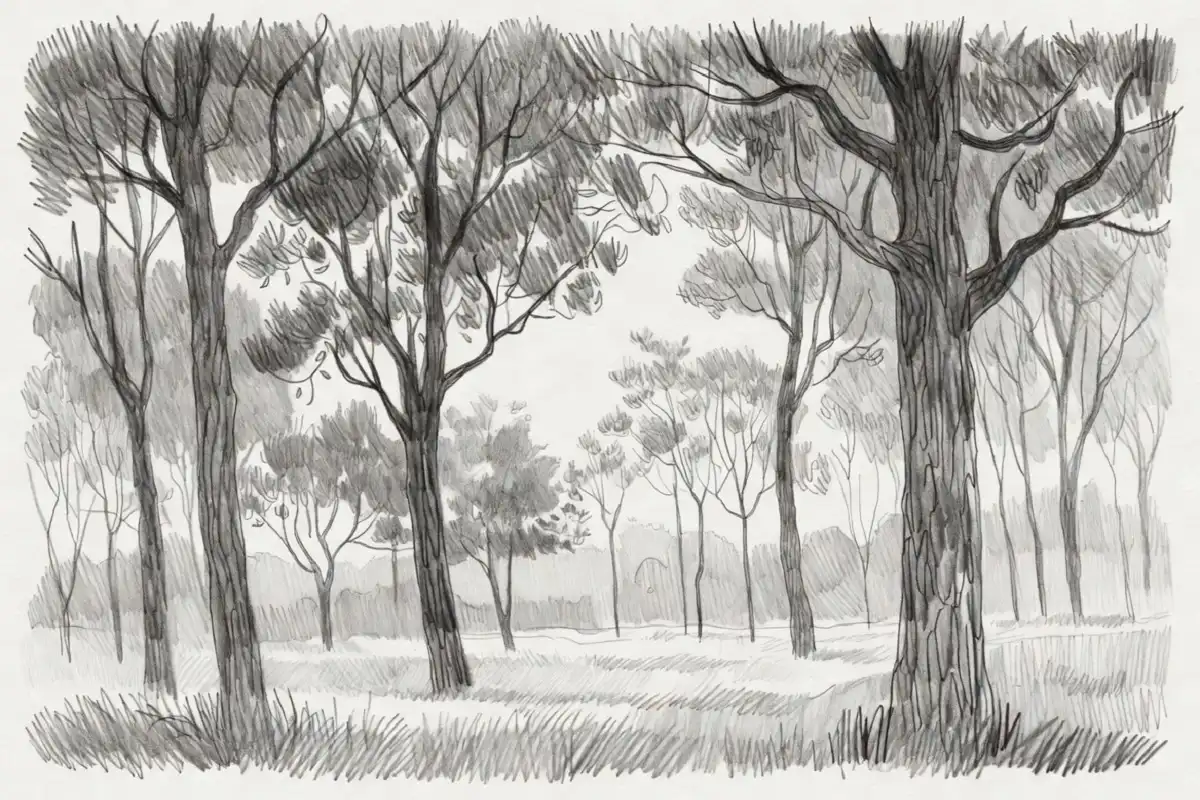
Nature Drawings: Easy Ideas for Every Skill Level
Nature drawings have inspired artists for centuries. From simple leaf sketches to sweeping mountain landscapes, drawing the natural world is one of the most rewarding creative practices available to anyone with a pencil and paper. You do not need formal training or expensive tools to begin. Whether you are a complete beginner or someone looking to sharpen existing skills, this guide walks you through ideas, techniques, and approaches that make nature drawings both enjoyable and achievable.
Why Nature Drawings Are Worth Your Time
A Practice That Benefits Everyone
Nature drawings are not just for professional artists. The act of observing and sketching the natural world builds patience, sharpens visual focus, and offers a calm break from screens. Many people find that sketching outdoors reduces stress and improves concentration in ways that other creative hobbies do not.
Drawing from nature also trains your eye. When you sit and sketch a tree, a rock, or a bird, you start noticing details you would otherwise walk past. This habit of careful observation carries over into daily life.
A Timeless Subject That Never Runs Out
One of the best things about nature drawings is that the subject matter is limitless. Seasons change, light shifts, and no two leaves are shaped exactly alike. This means you can return to the same subject repeatedly and always find something new to explore.
Artists from the Romantic period to modern illustrators have turned to nature for inspiration. You can explore the long tradition of natural illustration through resources like the Natural History Museum’s art and illustration collections, which document how artists have captured the natural world across different eras.
Nature Drawing Ideas for Beginners
Starting can feel overwhelming if you are unsure what to draw first. The best approach is to begin with subjects that are simple in shape but rich in texture.
Good starting subjects include:
- Single leaves with vein detail
- A pinecone or acorn
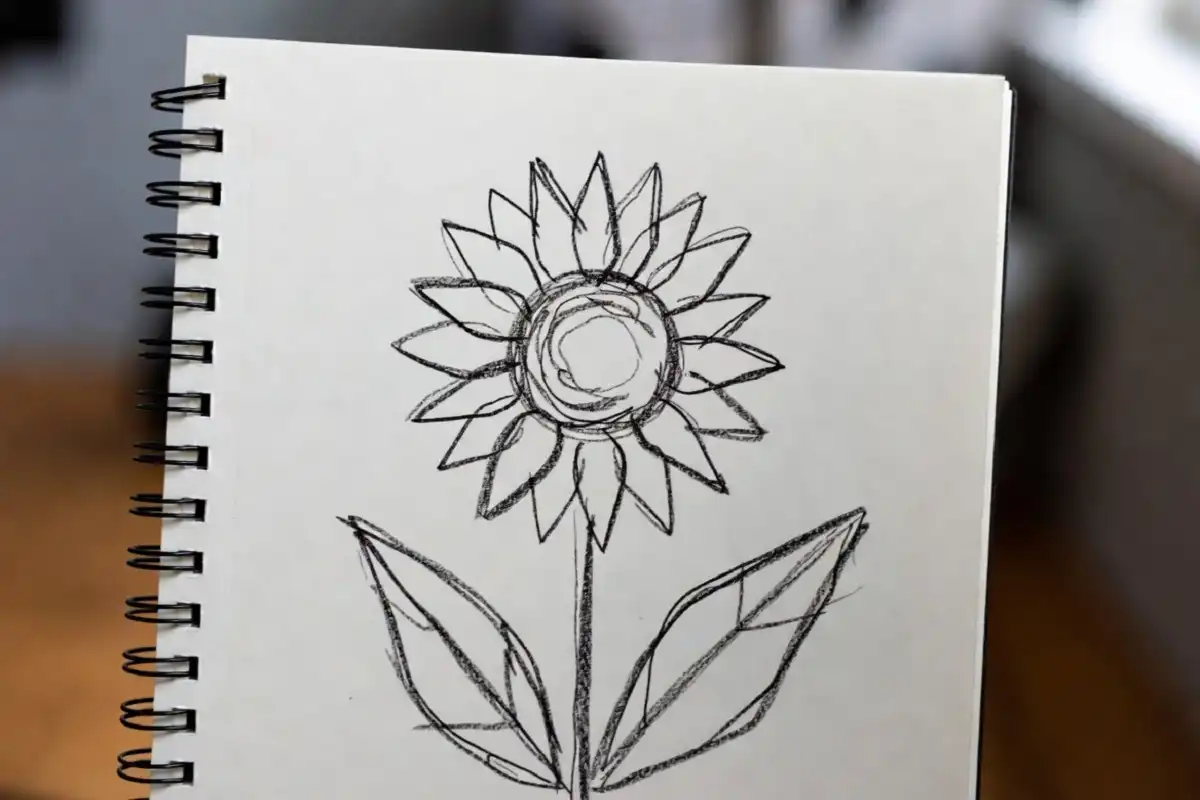
- A simple flower like a daisy or sunflower
- A smooth river stone
- A single tree branch with buds or bark texture
These subjects are small, accessible, and teach core skills like shading, line weight, and proportion. Once you are comfortable with individual objects, you can begin placing them in larger compositions.
If you are looking for visual inspiration alongside your sketching practice, this overview of nature paintings, styles, and art ideas offers a useful companion to the drawing techniques covered here.
Key Techniques for Better Nature Drawings
Contour Drawing
Contour drawing means drawing the outline of a subject without lifting your pen or pencil. It is one of the best exercises for improving hand-eye coordination and learning to observe shapes carefully. Pick a leaf or a flower and trace its edges slowly, keeping your eye on the subject as much as on the paper.
Shading and Value
Value refers to how light or dark an area is. In nature drawings, shading with different values gives the illusion of three-dimensional form. The side of a rock facing the sun is lighter; the underside is darker. Practice gradual transitions between light and shadow using hatching, cross-hatching, or smooth blending.
Texture Techniques
Nature is full of texture, and capturing it is what separates a flat drawing from one that feels alive. Bark is rough and directional. Water reflects and ripples. Grass has thin, slightly curved lines that grow in clusters. Study your subject closely and match your mark-making style to the texture you see.
Composition Basics
Even simple nature drawings benefit from thoughtful composition. A common approach is the rule of thirds: divide your page into a grid of nine equal sections and place key elements along those lines or at their intersections. This creates balance and visual interest without making the drawing feel rigid.
According to Wikipedia’s overview of drawing as an art form, composition and value are considered two of the most foundational elements across all drawing disciplines, including natural illustration.
Choosing the Right Tools for Nature Drawings
You do not need a large supply kit to get started. A few well-chosen tools go a long way.
Pencils: A set of graphite pencils ranging from H (hard, light marks) to B (soft, dark marks) gives you full control over shading and detail. A 2B and a 4B cover most needs.
Paper: Smooth cartridge paper works well for fine detail. Textured paper suits charcoal and loose, expressive styles. Sketchbooks designed for mixed media give you flexibility.
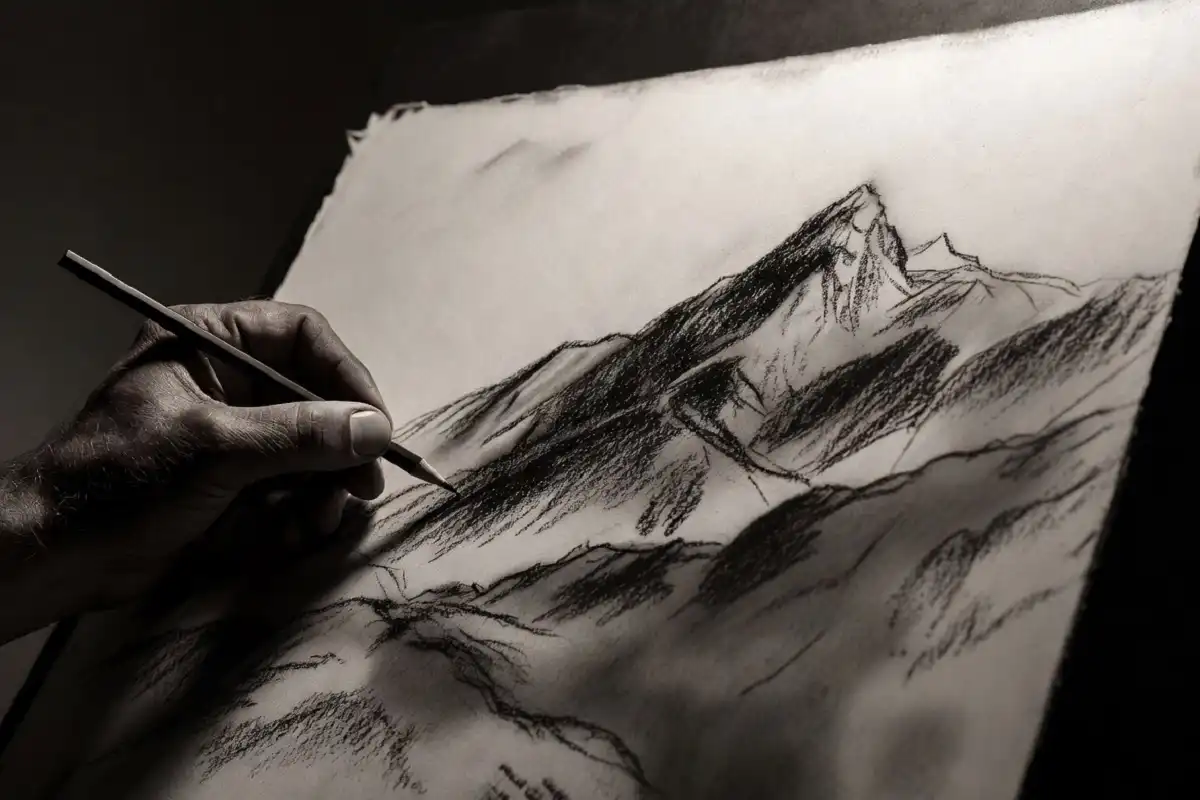
Charcoal: Great for dramatic, high-contrast nature drawings such as storm skies, dark forests, or rocky landscapes. It blends easily and creates rich tonal depth.
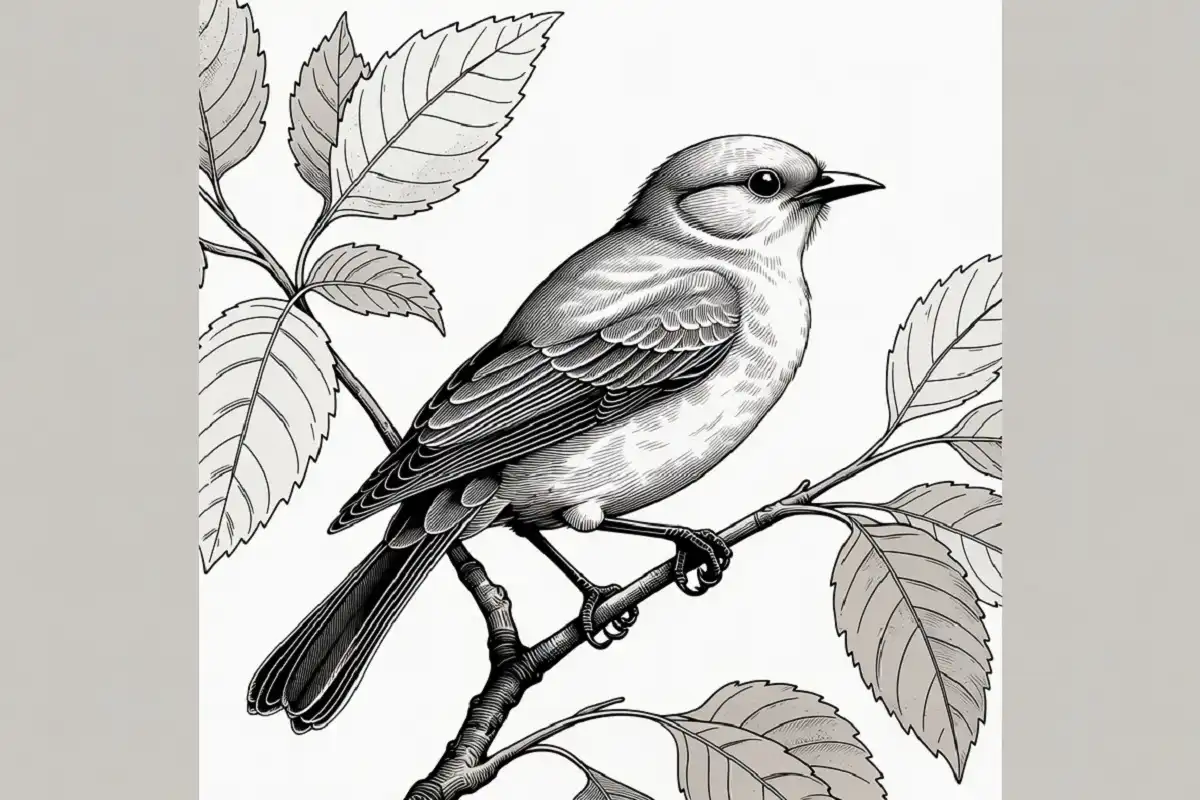
Ink: Fine-liner pens or dip pens work well for botanical illustration and detailed line drawings of plants, insects, or birds. Ink gives your work a clean, graphic quality.
Colored pencils or watercolor: Adding color extends the range of your work. Watercolor pencils offer a flexible midpoint between dry and wet media.
Types of Nature Drawings to Explore
Botanical Illustration
Botanical illustration focuses on accurate, detailed depictions of plants, flowers, seeds, and leaves. It has a long scientific history but is also pursued purely as fine art. This style rewards patience and precision.
Landscape Sketching
Landscape sketching involves drawing broader scenes: rolling hills, forests, coastlines, or open fields. It calls for an understanding of perspective, atmospheric depth, and how distant objects appear lighter and less defined.
Wildlife Drawing
Birds, insects, and animals bring life and movement into nature drawings. Wildlife drawing requires quick observation skills, since subjects rarely stay still. Working from reference photographs alongside direct observation helps build accuracy.
Urban Nature
Nature exists within cities too. Window plants, park trees, pigeons on a ledge, or moss growing on a brick wall all make compelling subjects. Urban sketching offers a way to practice without travelling far.
If you are interested in how outdoor environments can inspire creative and design thinking beyond drawing, this piece on build ideas for outdoor spaces explores that connection from a different angle.
Developing a Regular Drawing Practice
Consistency matters more than talent. Artists who draw regularly, even for short sessions, improve faster than those who wait for long, uninterrupted stretches of time.
A few habits that support regular practice:
- Keep a small sketchbook and a single pencil with you when you go outside
- Spend ten to fifteen minutes sketching one object from direct observation each day
- Date your drawings and review them monthly to track your progress
- Draw the same subject across different seasons to understand how light and form change
- Join online communities or local sketch groups for feedback and motivation
The Sketchbook Skool community is one example of an online resource where artists of all levels share nature sketches and support each other’s practice.
Common Mistakes in Nature Drawings
Even experienced artists hit the same recurring obstacles. Recognising them early saves a lot of frustration.
Drawing symbols instead of shapes: Many beginners draw what they think a tree looks like rather than what they actually see. Slow down and look at the specific shape in front of you.
Skipping the light source: Nature drawings without a consistent light direction look flat and confusing. Decide where the light is coming from before you begin shading.
Overworking the drawing: Knowing when to stop is a real skill. Adding more lines does not always improve a drawing. Leave breathing room.
Ignoring negative space: The space around a subject is as important as the subject itself. Paying attention to negative space improves proportion and composition.
For a broader look at how natural environments have inspired artistic movements, this guide to Dogwood Canyon Nature Park shows how the natural landscape shapes visual culture in tangible ways.
FAQs
Do I need drawing experience to start nature drawings?
No experience is needed to begin. Nature drawings are accessible to anyone who can hold a pencil. Starting with simple shapes like leaves and stones builds foundational skills quickly and naturally.
What is the best medium for nature drawings?
Graphite pencil is the most versatile starting point because it is easy to control and correct. As your confidence grows, experimenting with ink, charcoal, or watercolor expands both your range and your results.
How do I make my nature drawings look more realistic?
Realism in your sketches comes from careful observation of light, shadow, and texture. Focus on studying your subject closely before drawing, and practice shading exercises to build your understanding of value.
Can I draw nature indoors using photographs?
Yes. Working from photographs is a legitimate and widely used method, especially for wildlife and detailed botanical work. Combining reference photos with occasional direct observation outdoors gives the best results over time.
How long does it take to improve at nature drawings?
Improvement varies by individual, but consistent practice over a few weeks produces noticeable results for most people. Short daily sessions are more effective than infrequent long ones.
Conclusion
Nature drawings offer a creative practice that is both grounding and endlessly varied. Whether you pick up a pencil to sketch a single flower or commit to regular landscape studies, the natural world gives you more material than any artist could exhaust in a lifetime. Start with simple subjects, choose tools that feel comfortable, and draw regularly. Over time, your observation skills sharpen, your hand grows more confident, and your nature drawings begin to reflect the living, detailed world around you. The only requirement is curiosity and the willingness to look closely.