Nature Paintings: Styles, Tips and Art Ideas 2025
Nature paintings have been a central part of human artistic expression for centuries. From ancient cave art depicting animals and landscapes to modern acrylic canvases bursting with color, art inspired by the natural world continues to connect people to something larger than themselves. Whether you are an art collector, a casual admirer, or someone looking to decorate a room, understanding the world of nature-themed artwork opens up a rich and rewarding creative space. This guide covers everything you need to know.
Why Nature Paintings Are So Universally Loved
Nature paintings resonate across cultures, ages, and artistic movements because they tap into something deeply human. The natural world offers an endless source of beauty, calm, and wonder, and art that captures it brings those feelings indoors.
People are drawn to these works for different reasons:
- They create a calming atmosphere in any room
- They reflect personal connections to places, seasons, or memories
- They carry symbolic meaning, from renewal and growth to solitude and power
- They work across decorating styles, from traditional to contemporary
Art that captures landscapes, botanicals, wildlife, and seascapes has never gone out of style, and the variety of approaches means there is something to suit almost every taste.
Just as the best quotes about nature can shift your mood and perspective in seconds, a well-chosen painting can do the same every single time you walk past it.
Popular Styles of Nature Paintings
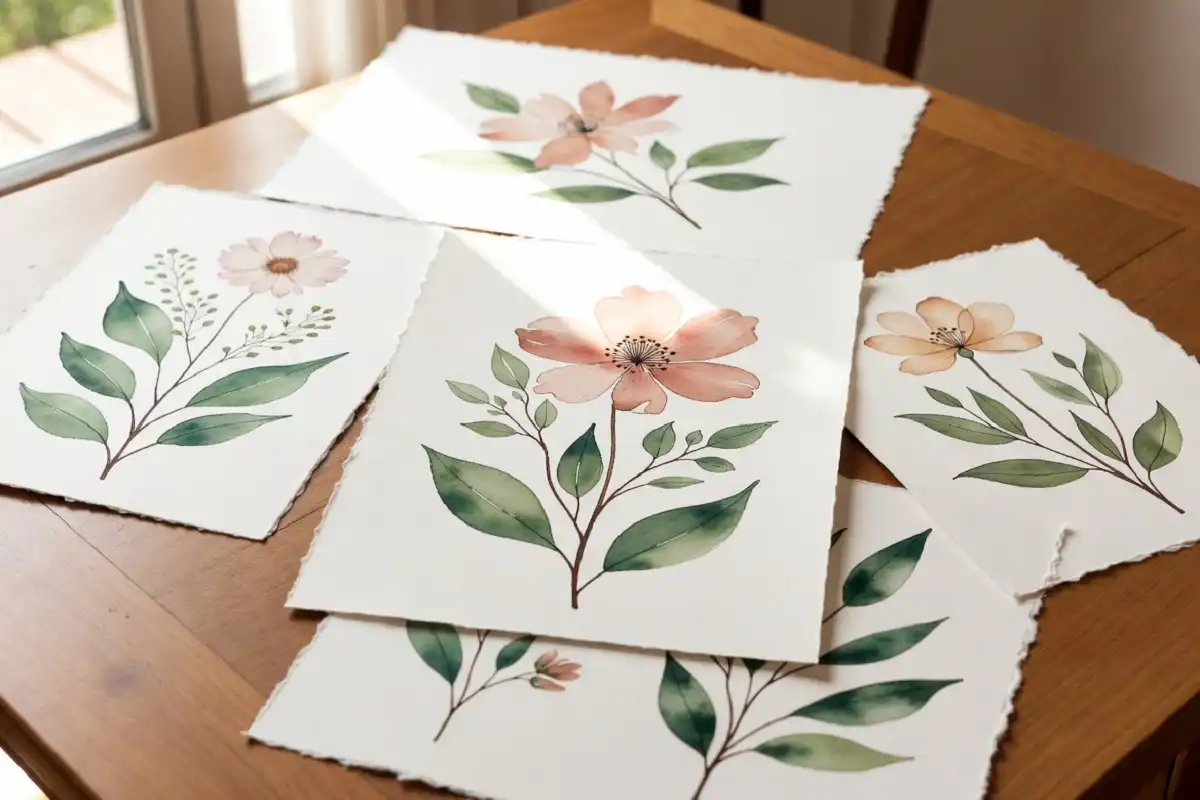
Nature paintings span a wide range of styles, from loose and expressive to tight and photorealistic. Understanding these styles helps you find what resonates most.
Watercolor Landscapes
Watercolor is one of the most popular mediums for nature-themed artwork. Its soft, flowing quality suits botanical subjects, misty mountains, and coastal scenes especially well. Watercolor nature paintings often feel light and airy, making them perfect for bright, minimal interiors.
Oil Painting Landscapes
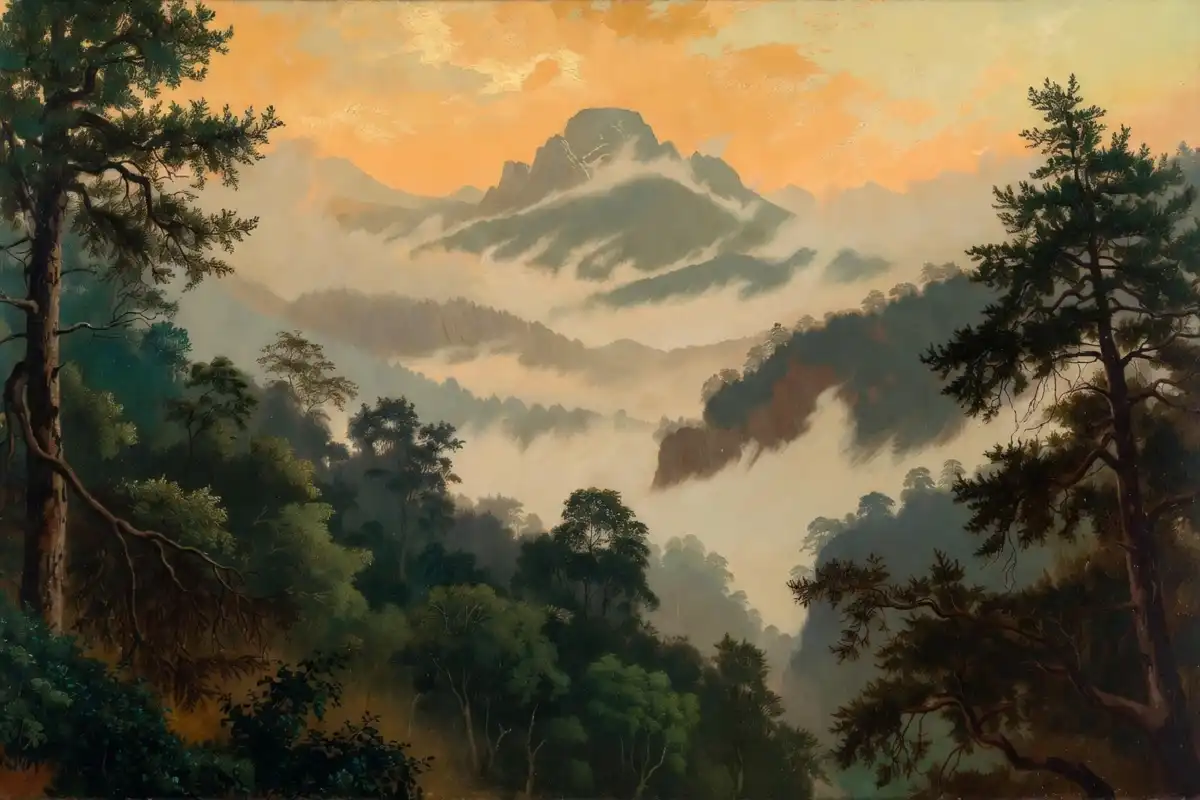
Oil paintings offer depth, richness, and texture that no other medium quite matches. The tradition of oil landscape painting runs through centuries of Western art, from the Dutch Golden Age to the Hudson River School. These works tend to feel weighty and timeless, well suited to traditional or formal spaces.
Acrylic Nature Art
Acrylic paints dry quickly and can mimic both watercolor and oil techniques, making them extremely popular with contemporary artists. Nature paintings in acrylic can range from loose and expressive to bold and graphic, covering everything from abstract forest scenes to hyperrealistic wildflower fields.
Botanical Illustration
Botanical illustration sits at the intersection of science and art. These detailed, precise depictions of plants, flowers, and foliage have a long history and remain deeply popular today as framed prints and gallery pieces. They work beautifully in kitchens, studies, and reading rooms.
Impressionist Nature Scenes
Impressionism transformed how painters captured the natural world by focusing on light, movement, and atmosphere rather than precise detail. Impressionist-style nature paintings feel alive and immediate, as if you are watching the scene shift with the weather.
How to Use Nature Paintings in Your Home
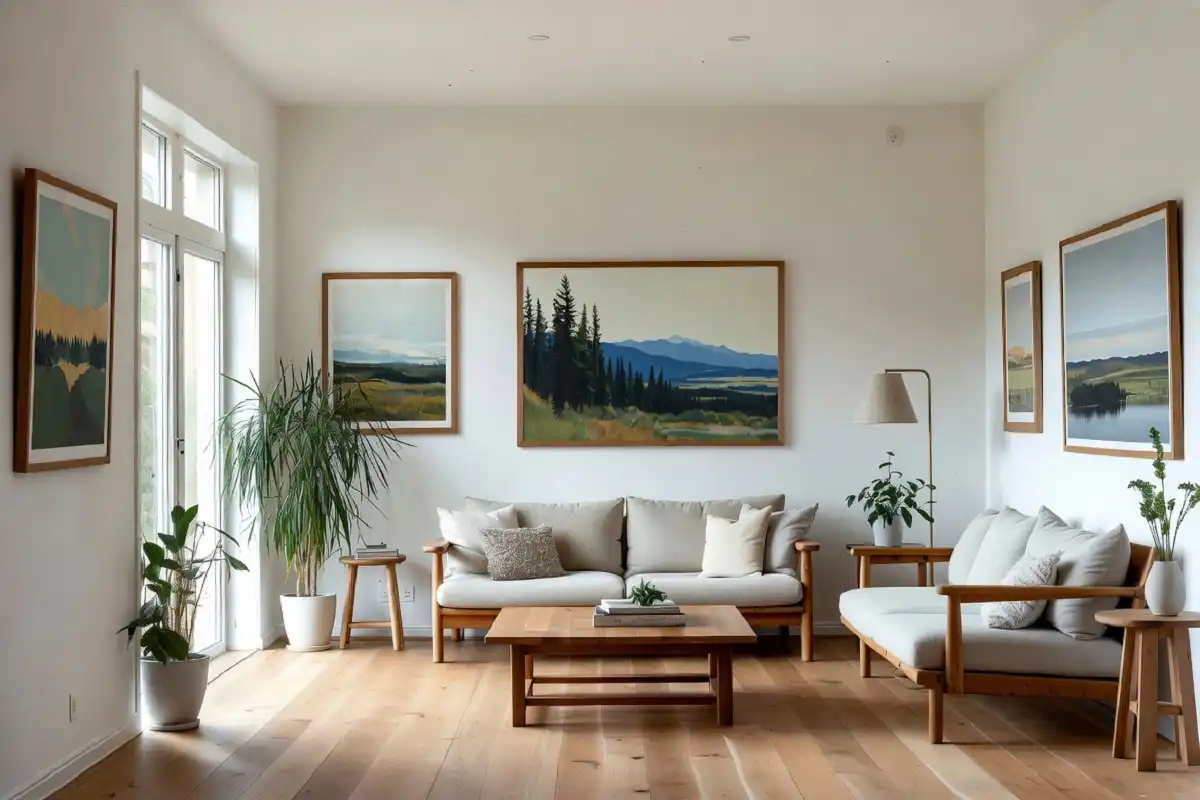
Choosing a nature painting is only the first step. Placing it well makes all the difference.
Choosing the Right Scale
A small painting can feel lost on a large wall, while an oversized piece can overwhelm a small room. As a general approach, consider the proportions of your wall space before purchasing. Larger, statement pieces work well above sofas, beds, or dining tables. Smaller works are better suited to clusters, shelves, or hallways.
Matching Mood to Room
Different rooms call for different emotional tones in artwork. Calming seascapes and soft forest scenes suit bedrooms and bathrooms. Bold, energetic landscapes or vivid botanical prints work well in living areas and home offices. Neutral, earthy nature scenes integrate easily into minimalist spaces.
Framing and Display
The frame around a nature painting either enhances or undermines the work. Natural wood frames suit botanical and watercolor pieces. Dark or gilded frames complement oil paintings. For a modern look, floating frames or frameless canvas prints let the artwork speak entirely for itself.
If you are also exploring nature-inspired decor beyond artwork, our guide to nature hills nursery and the best plants for your garden pairs beautifully with any nature-themed interior project.
Famous Themes in Nature Paintings
Certain subjects in nature-themed artwork have captured the imagination of artists and collectors across generations.
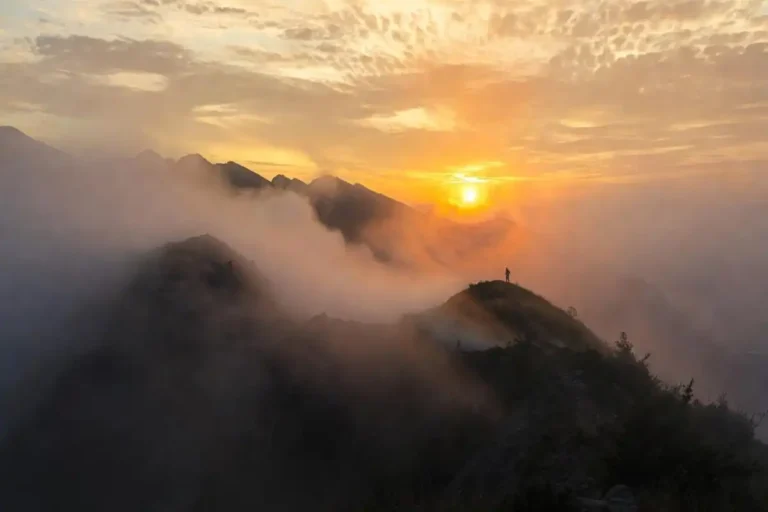
Mountains and misty landscapes suggest scale, solitude, and the power of the natural world. They have been central to landscape painting traditions across both Eastern and Western art history.
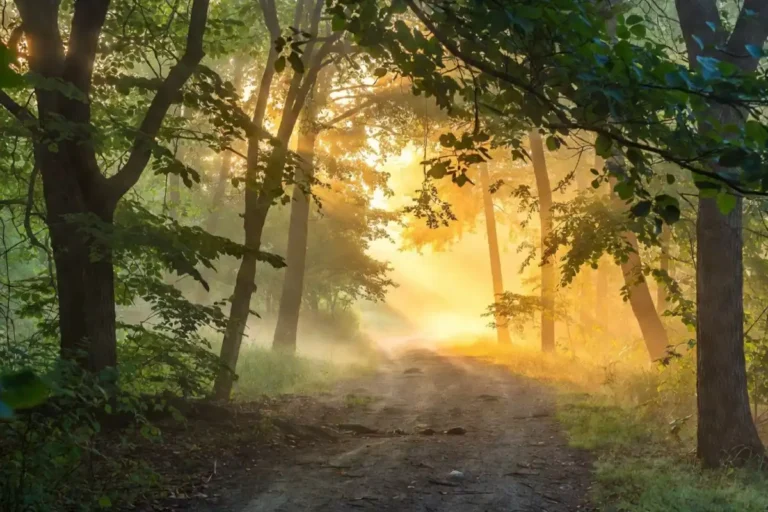
Forests and woodland scenes carry a sense of depth and mystery. Light filtering through trees is one of the most consistently painted subjects in art, and it works across every medium and style.
Seascapes and coastal scenes bring movement and openness. The interplay of water, sky, and light gives artists almost infinite variation to work with.
Wildflowers and botanical subjects are among the most commercially popular nature painting themes today, appearing on everything from gallery walls to greeting cards.
Wildlife in natural settings connects viewers to the animal world in a way that feels intimate and alive.
According to The Art Newspaper, landscape and nature-themed works have remained consistently strong sellers at both major auction houses and independent galleries, reflecting their enduring appeal across collector demographics.
Tips for Creating Your Own Nature Paintings
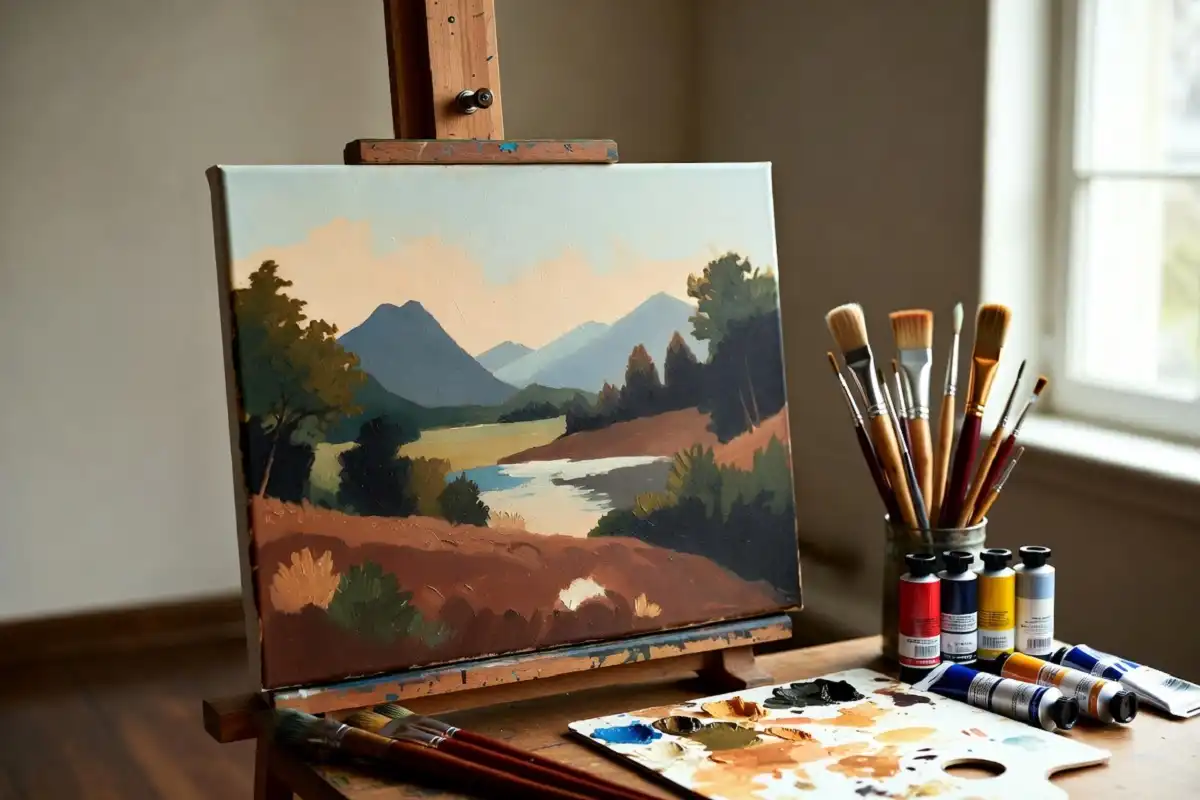
If you want to create your own nature-inspired artwork, starting is simpler than most people expect.
Start with Reference Photos
Working from reference photos of real landscapes, plants, or animals gives you a clear visual anchor. Take your own photos outdoors or use royalty-free image libraries to find subjects you connect with.
Choose One Medium and Explore It Fully
Jumping between mediums too quickly can slow your progress. Pick one, whether watercolor, acrylic, or graphite, and spend time understanding how it behaves before moving on. Each medium rewards patience.
Focus on Light, Not Just Shape
The most compelling nature paintings are about light as much as subject matter. Study where light falls in your reference and how it changes the colors of leaves, water, or sky. This single habit lifts most beginner paintings significantly.
Paint Outdoors When You Can
Painting en plein air, directly in front of a natural scene, builds observational skills that reference photos cannot fully replace. Even short sessions outdoors sharpens your ability to see tone, color, and atmosphere.
Keep a Sketchbook
Quick sketches of natural subjects, trees, clouds, shorelines, build visual vocabulary that feeds directly into finished paintings. Many artists consider sketchbook practice their most valuable daily habit.
Just as nature inspires art, it also inspires body art. If you enjoy nature-themed creative expression in all its forms, our collection of the best nature tattoo ideas for every style and skin is a wonderful companion read.
For wellness-minded readers who find nature art calming, our guide to Nature Made Ashwagandha and its benefits explores another way to bring the restorative power of nature into your daily life.
You can also explore the Smithsonian American Art Museum’s online collection for a deep archive of nature-themed works spanning American art history, which serves as excellent reference and inspiration for both collectors and artists.
FAQs
What makes a good nature painting?
A good nature painting captures not just the subject but the mood, light, and atmosphere of a natural scene. Strong composition, thoughtful use of color, and a clear emotional tone are what separate memorable works from ordinary ones.
What is the most popular style of nature painting?
Watercolor and impressionist-style oil paintings are consistently among the most popular approaches to nature-themed art. Both are valued for their ability to capture light and atmosphere in a way that feels immediate and emotionally resonant.
How do I choose a nature painting for my home?
Start by considering the room’s mood, your color palette, and the wall space available. Choose a subject that feels personally meaningful and a style that complements your existing decor. Seeing a print or smaller version before committing to a large original can help.
Are nature paintings a good investment?
Original nature paintings by established or emerging artists can appreciate in value, particularly when purchased from reputable galleries. For investment purposes, provenance, artist reputation, and condition matter significantly more than subject matter alone.
Can beginners paint nature scenes?
Yes, nature subjects are among the most accessible for beginners because they allow for organic shapes and natural variation that forgive small imperfections. Starting with simple subjects like a single tree, a flower, or a cloudy sky builds skills quickly and enjoyably.
What medium is easiest for painting nature scenes?
Acrylic paint is widely considered the most beginner-friendly medium for nature paintings. It dries quickly, is easy to correct, and works on almost any surface, making it an ideal starting point for those new to painting.
Conclusion
Nature paintings offer something rare in home decor and personal art collections: a direct, lasting connection to the beauty of the world outside. Whether you are drawn to the luminous calm of a watercolor forest, the drama of an oil seascape, or the precise elegance of botanical illustration, there is a style and subject that speaks to your personal taste. Start exploring by visiting local galleries, browsing online collections, or picking up a brush yourself. If this guide inspired you, share it with a fellow art lover, explore our other nature-themed articles, and begin building a collection that brings the natural world into your everyday life.