Poems About Nature: Words That Capture the Wild
Nature has always been one of the greatest sources of inspiration for poets. From the rustle of leaves to the sound of rain on a roof, the natural world offers endless images and feelings that words can bring to life. Poems about nature help us slow down, look around, and feel something real. Whether you love the forest, the sea, or open fields, there is a poem out there that speaks exactly to that feeling. This guide explores the best nature poetry has to offer.
Why Poems About Nature Still Matter Today
People have written about nature for thousands of years, and the tradition has never stopped. That is because the natural world touches something deep inside us. It reminds us of what exists beyond screens, schedules, and daily stress.
Reading or writing poems about nature can:
- Help reduce anxiety and calm the mind
- Reconnect us with the seasons and cycles around us
- Give language to feelings that are hard to name
- Create a moment of stillness in a busy day
Nature poetry is not just for literature classes. It belongs to everyone who has ever stood outside and felt something they could not quite explain.
If you are looking for ways that nature can actually improve how you feel and function, this guide on how nature boosts productivity, focus, and energy naturally is a helpful read alongside the poems.
A Brief History of Poems About Nature
Humans have written about the natural world since the earliest written records. Ancient cultures wrote hymns to rivers, rain, and the sun. Over centuries, poets developed new ways to describe what they saw outside their windows or experienced on long walks.
By the Romantic era, nature poetry became central to literature. Poets used forests, storms, and mountains as mirrors for human emotion. Since then, writers across every culture and language have continued the tradition, finding new angles on the same ancient subjects.
Types of Poems About Nature
Not all Poems About Nature looks the same. Here are the most common forms you will encounter.
Descriptive Nature Poems
These poems paint a picture. They use vivid imagery to show the reader exactly what something looks like, sounds like, or feels like. A poem describing fog rolling over a lake or ice forming on a windowpane is descriptive nature poetry at its finest.
Reflective Nature Poems
These poems use a natural scene as a starting point for deeper thought. The poet might begin with a bird on a branch and end with a meditation on loss, time, or hope. The natural world becomes a lens for human experience.
Celebratory Nature Poems
These celebrate the beauty and abundance of the earth without needing a deeper message. They are joyful, grateful, and often simple. A poem about the smell of rain or the color of autumn leaves can be deeply satisfying without carrying heavy symbolism.
Short Nature Poems and Haiku
Some of the most powerful nature poetry is also the shortest. The Japanese haiku form, with its three short lines, was built entirely around nature observation. A single image, a season, a moment: that is often all it takes.
Poems About Nature by Theme
Poems About Trees and Forests
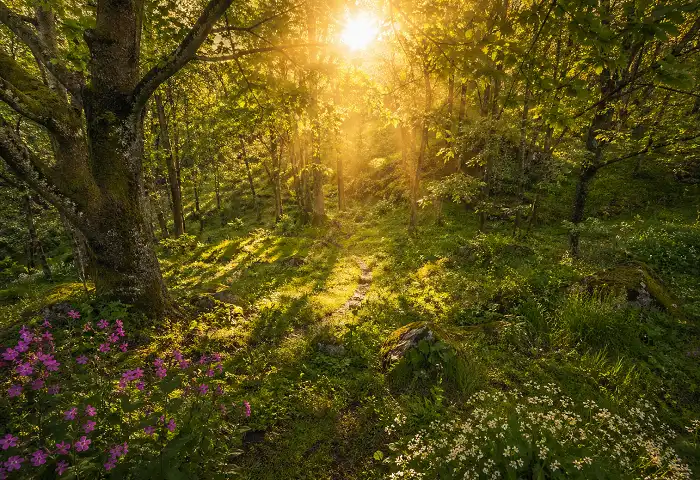
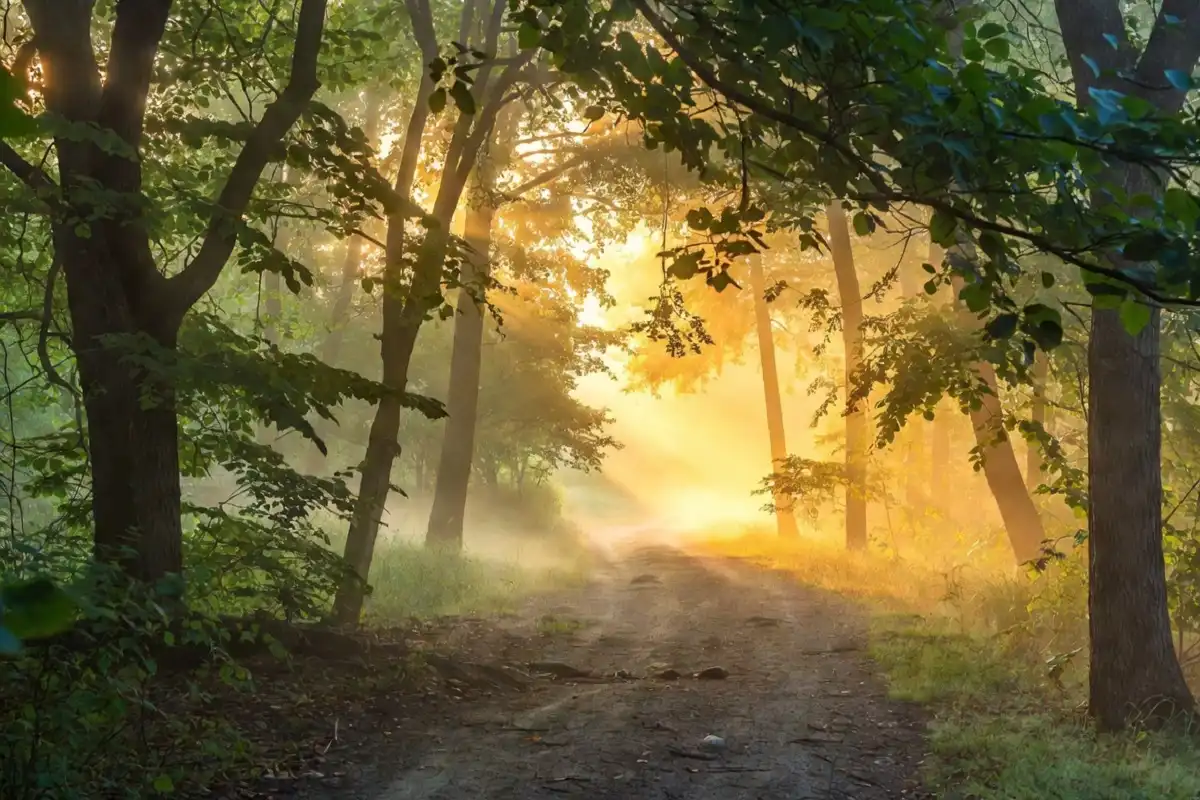
Trees have been at the center of nature poetry for centuries. They represent strength, patience, and the passing of time. A great tree poem might describe bark texture, the sound of wind through branches, or the way light changes under a forest canopy.
If you love spending time around trees and want to find the best places to experience them in person, this resource on the best nature trails and hidden gems near you can help you plan your next walk.
Poems About Water and Rain
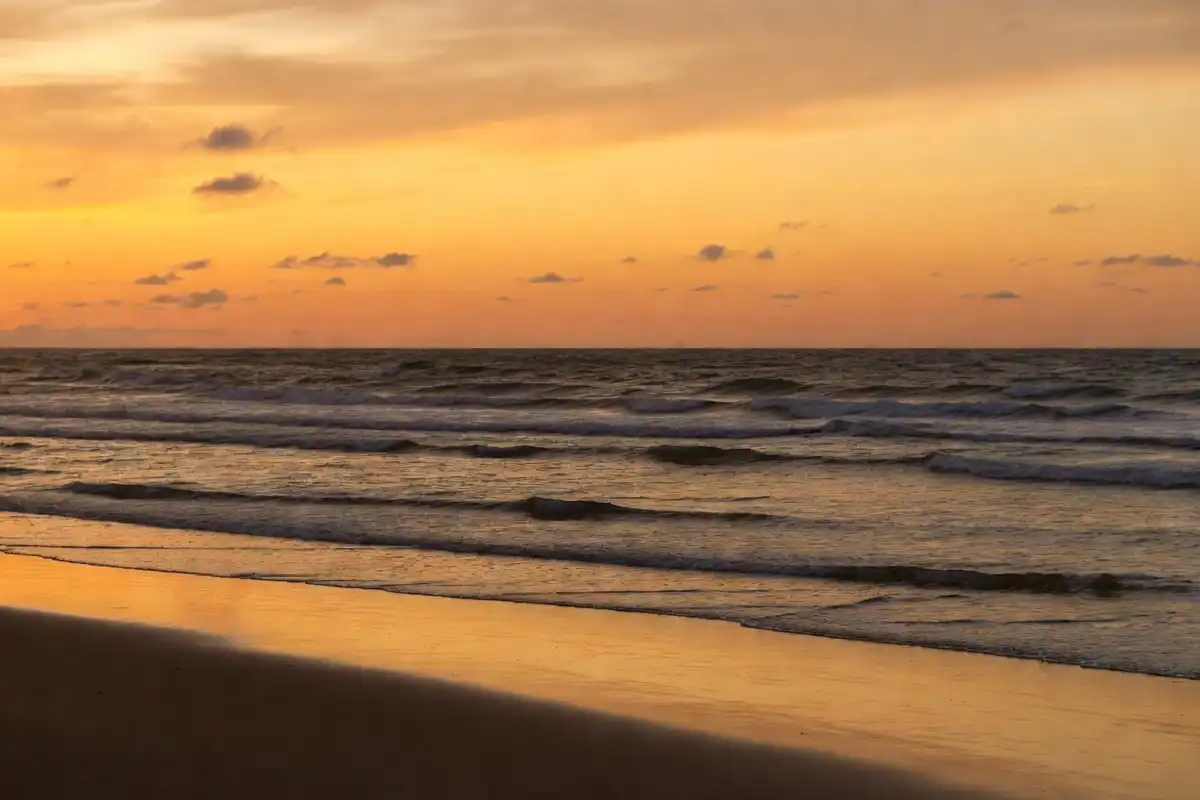
Water is one of the most common subjects in nature poetry. Rivers, oceans, rain, and snow each carry their own emotional weight.
- Rain is often linked to renewal and grief at the same time
- The ocean appears in poems about vastness, power, and mystery
- Rivers show up as symbols of time moving forward
- Snow creates imagery of silence, stillness, and isolation
Water poems work because water itself is always changing. It takes the shape of whatever contains it, and poets have long used that quality to explore transformation and identity.
Poems About the Sky and Weather
The sky gives poets an enormous canvas. Clouds, storms, sunsets, and stars each offer a different emotional register. A sunrise poem might feel hopeful and full of possibility. A poem about an overcast grey sky might sit with sadness or calm acceptance.
For a deeper exploration of light and meaning in nature, the piece on the beauty, meaning, and power of natural daylight connects well with the themes found in sky-focused poetry.
Poems About Seasons
Each season has its own body of nature poetry.
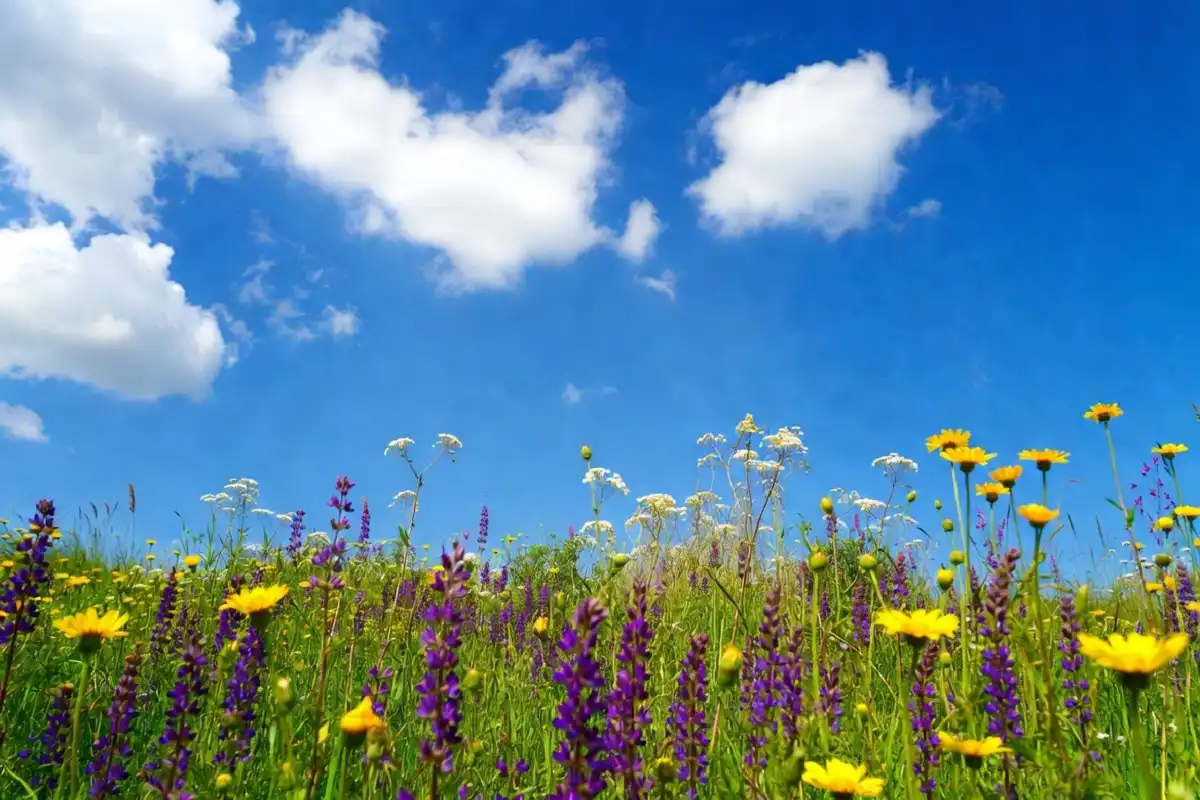
- Spring brings renewal, growth, flowers, and birdsong. Spring poems are often light and full of movement.
- Summer carries heat, abundance, and long days. Summer poems can feel lush and sensory.
- Autumn is one of the richest seasons for poetry. Falling leaves, shorter days, and the smell of decay create complex emotional territory.
- Winter poems often deal with stillness, cold, and survival. They can feel stark or quietly beautiful depending on the poet’s approach.
Poems About Birds and Wildlife
Birds appear constantly in nature poetry. They are easy to observe, each species carries associations, and their songs and migrations give poets a lot to work with. Eagles and hawks tend to appear in poems about freedom and power. Small birds like sparrows and wrens often anchor poems about ordinary, quiet life.
Wildlife in general brings energy and unpredictability to poems. A deer at the edge of a forest, a fox crossing a road at night, a school of fish catching sunlight underwater: these images carry a sense of aliveness that resonates with readers.
How to Write Your Own Poem About Nature
Writing a nature poem does not require special training. It starts with paying attention.
Here is a simple approach to get started:
- Go outside or sit by a window. Choose one thing to focus on.
- Spend a few minutes just observing it. Notice details you would normally skip past.
- Write down exactly what you see, hear, smell, or feel. Do not worry about making it poetic yet.
- Look at your notes and find the one detail that surprised you or felt most alive.
- Build your poem around that single detail.
The best nature poems usually come from close, honest observation rather than grand, general statements. Instead of writing “nature is beautiful,” describe the exact color of a leaf as it falls.
Nature writing at its best is grounded in specifics. The Academy of American Poets offers a wide collection of nature poems and writing prompts at poets.org if you want to explore further examples and techniques.
Reading Nature Poetry Aloud
Nature poems are often best experienced out loud. The rhythm, sound, and pacing of the words can mirror the natural subject. A poem about waves might have a flowing, repetitive structure. A poem about a sudden storm might shift pace and break lines unexpectedly.
Try reading a nature poem outside if you can. The experience of hearing words about rain while sitting in the garden, or reading about birdsong while birds are actually singing nearby, adds another layer to the poem entirely.
For more ideas on how to connect meaningfully with the outdoors, this guide to the best tech and gadgets for reconnecting with the outdoors has some practical suggestions that pair nicely with a poetry reading habit.
Using Nature Poetry in Daily Life
You do not have to be a literature lover to benefit from nature poetry. Here are a few easy ways to bring it into your routine:
- Keep a small poetry book in your bag for commutes or waiting rooms
- Start a nature journal and copy out one poem per week that resonates with you
- Use a nature poem as a prompt for a morning walk or a moment of stillness
- Read a seasonal poem aloud to mark the change between seasons
Even one poem a week can shift how you notice the world around you. That shift in attention is one of the quieter benefits of reading nature poetry regularly.
The Poetry Foundation maintains a searchable archive of thousands of poems, many focused on the natural world, at poetryfoundation.org. It is a good place to find poems organized by theme, mood, or form.
FAQs
What are poems about nature called?
Poems about nature are often called nature poetry or pastoral poetry, depending on their focus. Pastoral poetry traditionally deals with rural landscapes and simple country life, while nature poetry is a broader term that covers everything from ocean verses to mountain meditations.
Why do so many poets write poems about nature?
Poets write about nature because it offers an endlessly rich source of imagery, emotion, and meaning. Nature is available to everyone, changes with the seasons, and connects to universal human experiences like birth, growth, loss, and renewal.
Are short nature poems as powerful as longer ones?
Short nature poems can be just as powerful, and sometimes more so. The haiku form proves that a single image observed closely can carry enormous emotional weight. The key is specificity and presence, not length.
How do I find poems about nature that suit my mood?
The best way is to search by theme or season rather than by poet. Looking for “poems about rain,” “autumn poetry,” or “poems about the ocean” will lead you to verses that match how you feel in the moment. Anthologies organized by season are also a useful starting point.
Can children enjoy poems about nature?
Children connect with nature poetry naturally. Poems about animals, weather, gardens, and seasons are some of the earliest forms of poetry children encounter. Simple, rhythmic nature poems are a wonderful introduction to poetry for young readers.
Conclusion
Poems about nature remind us to look up, slow down, and pay attention to the world just outside the door. Whether you are reading a classic verse or writing your own lines about a single leaf or cloud, nature poetry offers a quiet and meaningful way to stay connected to the earth.
Start with one poem this week. Read it slowly. Then go outside and see what you notice. If you feel called to write, put down exactly what you see. The natural world is always ready to offer material. All it asks is that you show up and pay attention.