Nature Tattoos: Designs, Meanings, and Ideas
Nature tattoos have grown into one of the most beloved forms of body art around the world. They let people carry a piece of the outdoors with them every day. Whether it is a single wildflower on the wrist or a full forest sleeve, these designs speak to something deep and personal. Nature has always inspired artists, and tattooing is no different. If you feel a strong connection to the natural world, a nature-themed tattoo might be the most meaningful ink you ever get.
Why Nature Tattoos Are So Popular
People choose nature tattoos for many reasons. Some want to honor a place they love, like a mountain trail or a stretch of coastline. Others are drawn to the symbolism of certain plants, animals, or elements. Nature tattoos also photograph well, age gracefully, and suit almost every body placement.
The variety is another reason for their popularity. You can go bold and dramatic with a detailed forest scene, or keep it subtle with a tiny leaf behind the ear. There is no single style that defines nature tattoos, which makes them accessible to almost everyone.
Beyond personal taste, nature tattoos connect the wearer to something larger. Just as many people today feel the pull to step away from screens and reconnect with the natural world, a nature tattoo can serve as a permanent reminder of that longing for open skies and quiet woods.
Popular Nature Tattoo Themes and What They Mean
Floral and Botanical Tattoos
Flowers are among the most requested nature tattoo designs. Each flower carries its own symbolism, which gives the wearer a chance to choose something personally meaningful.
- Roses represent love, passion, and sometimes grief
- Lavender suggests calm and healing
- Sunflowers symbolize warmth, loyalty, and positivity
- Cherry blossoms reflect the fleeting beauty of life, rooted in Japanese tradition
- Wildflowers often represent freedom and an untamed spirit
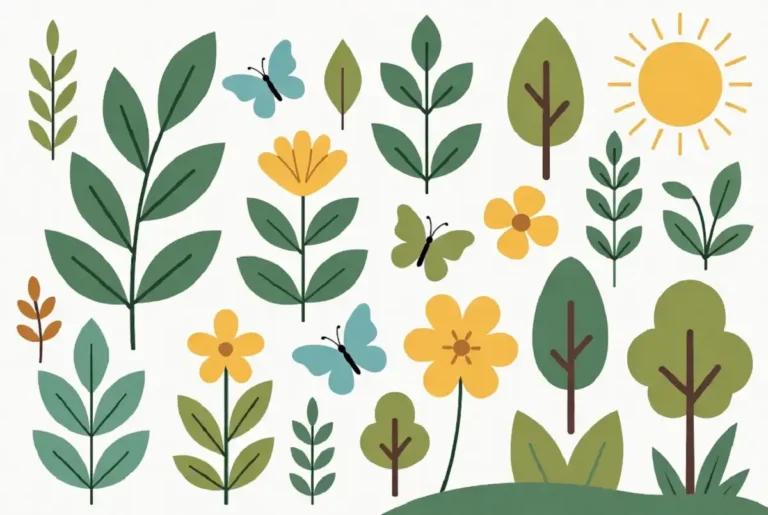
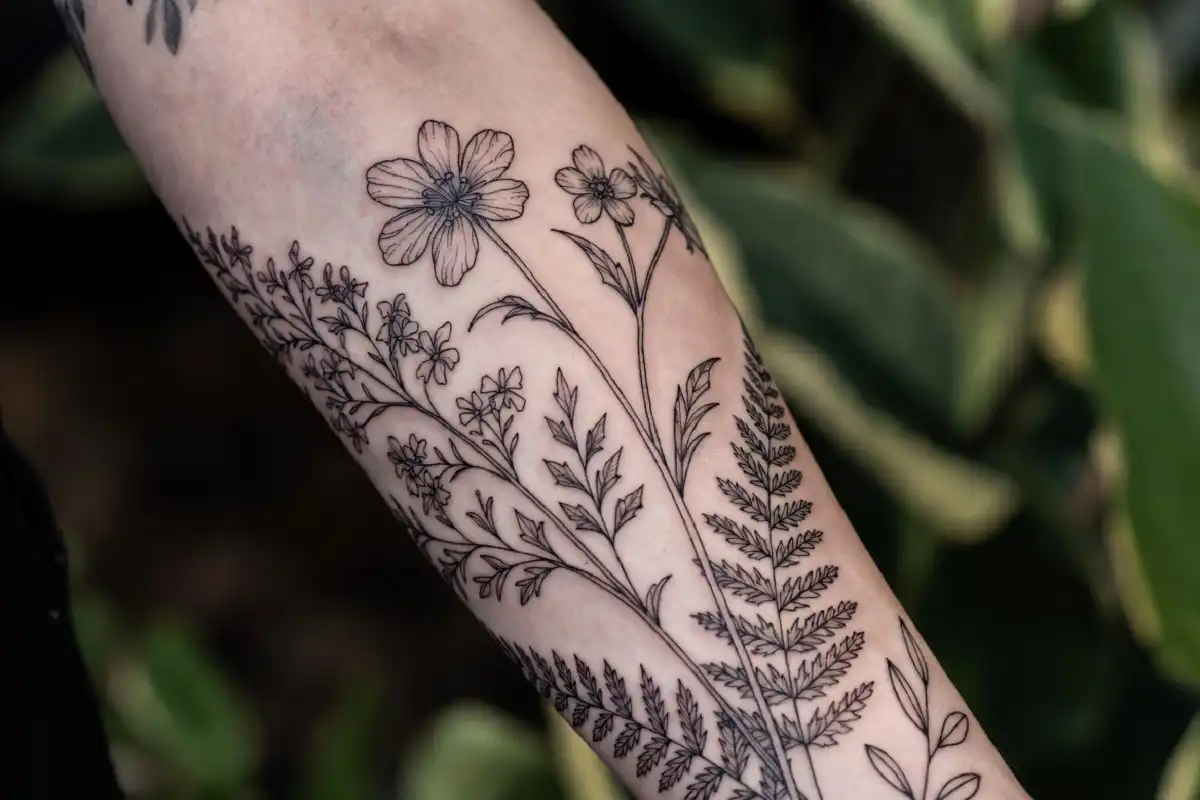
Botanical tattoos go beyond flowers to include leaves, ferns, vines, and full plant illustrations. These designs tend to look timeless and pair well with fine-line or illustrative tattoo styles.
Forest and Tree Tattoos
Trees hold deep meaning across many cultures. An oak might represent strength and endurance. A birch tree can signal new beginnings. A lone pine on a hillside might carry personal memories of a camping trip or a quiet hike.
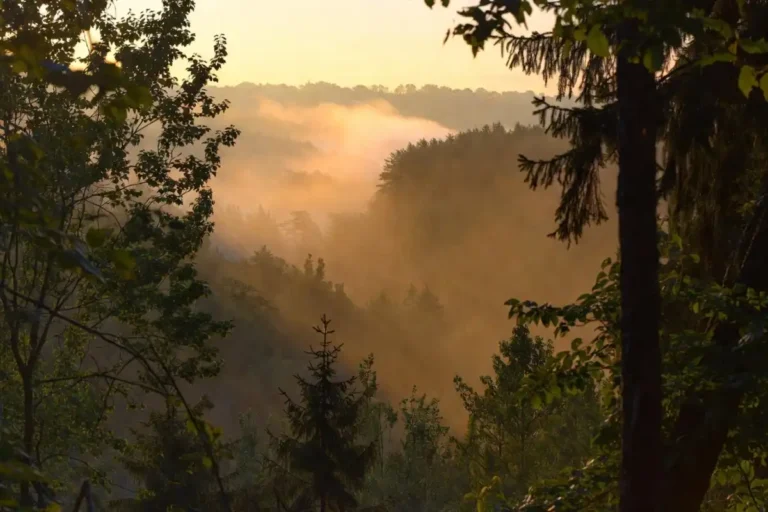
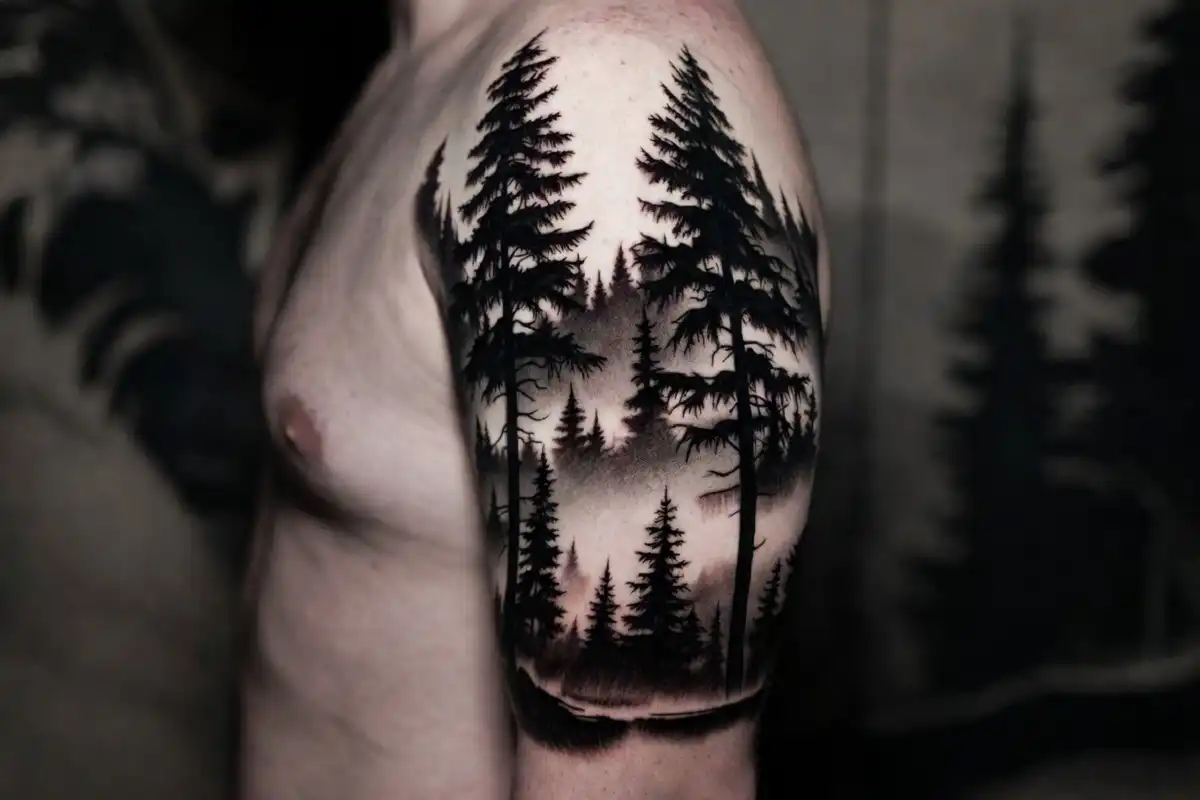
Full forest scenes are popular for sleeve designs and back pieces. They often include mist, moonlight, or wildlife peeking through the trees. These layered designs reward the eye and hold up well over time.
If you love exploring natural spaces, you might also enjoy reading about the hidden beauty found in everyday outdoor spaces that most people overlook.
Mountain and Landscape Tattoos
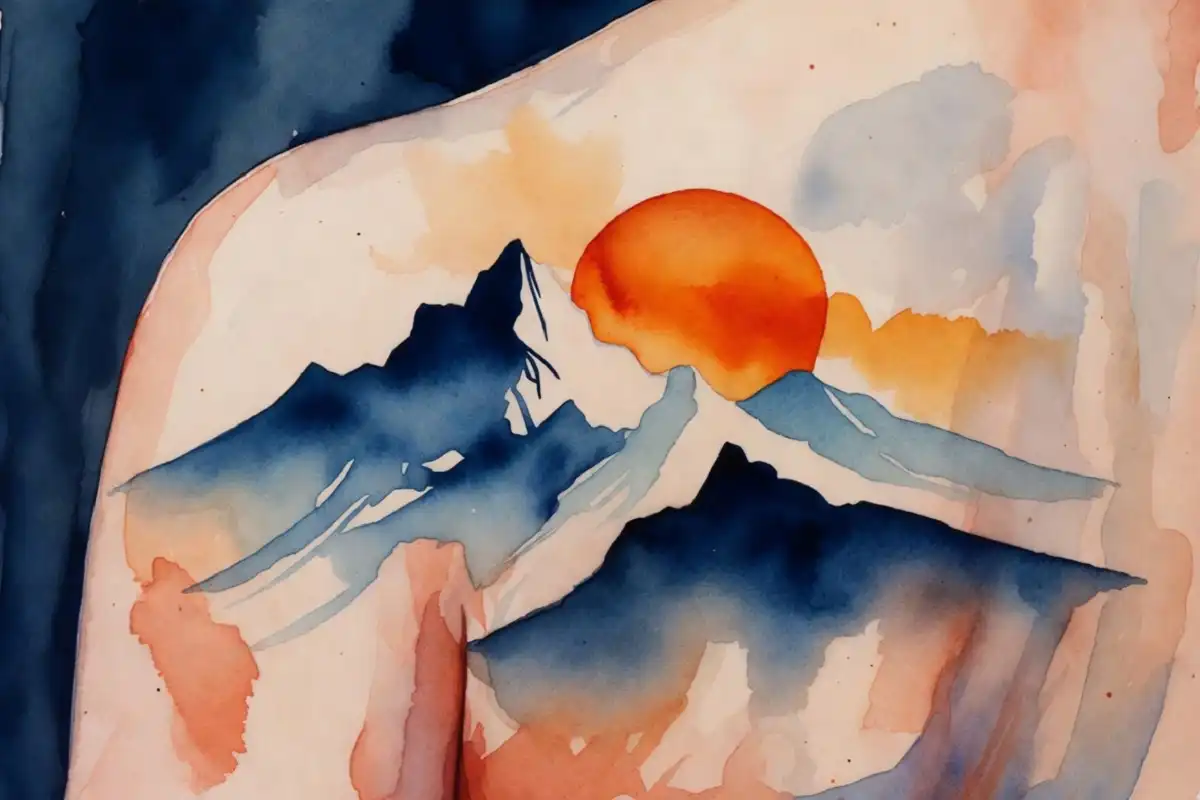
Mountain tattoos are a staple in the outdoor community. They can represent personal challenges, a love of hiking, or simply an admiration for the scale and power of the natural world. Minimalist geometric mountain designs remain popular for their clean look. Detailed mountain range watercolors offer a more dramatic, painterly feel.
Landscapes more broadly, including deserts, rolling hills, cliffs, and coastlines, give tattoo artists room to work in a scene that feels complete and immersive.
Water and Ocean Tattoos
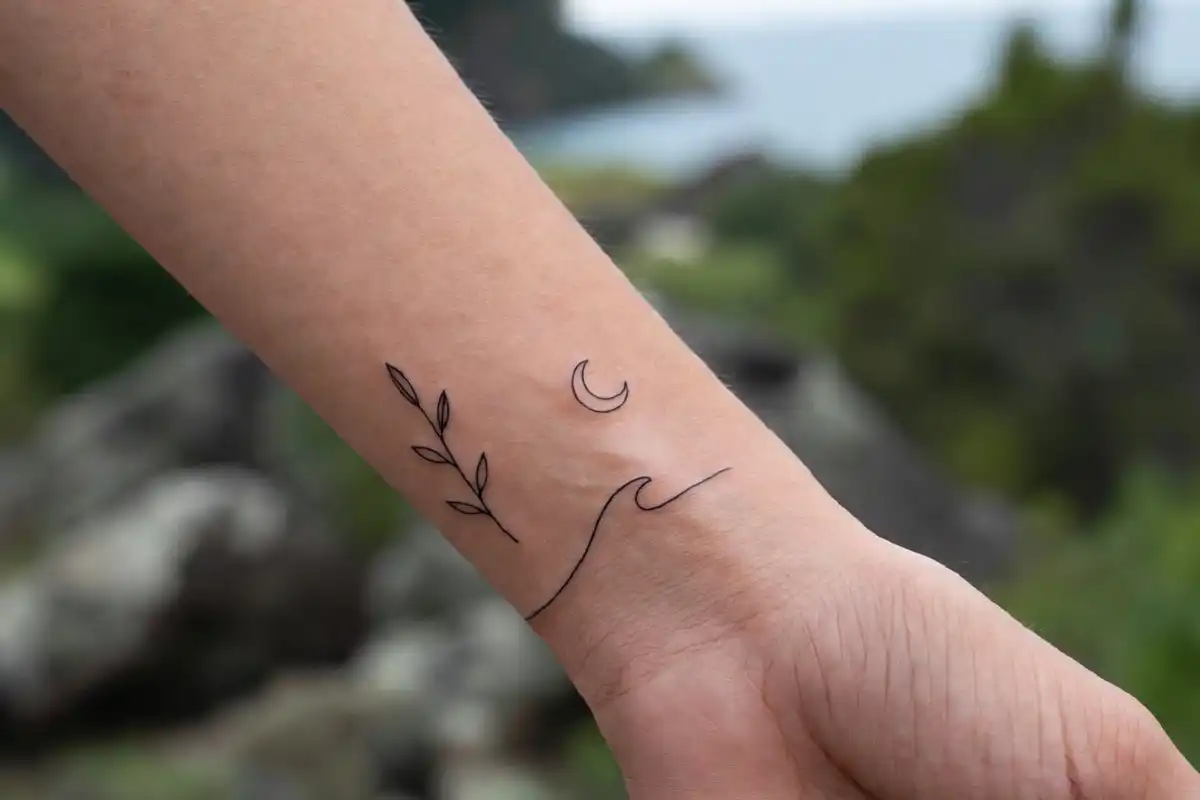
Waves, rivers, koi ponds, and open oceans inspire a huge range of tattoo designs. Water symbolizes flow, change, and emotional depth. Wave tattoos often appear on forearms, shoulders, or ankles where the shape follows the body’s natural curve.
Watercolor techniques work especially well for water-themed tattoos, blending blues and greens in ways that feel genuinely fluid.
Animal and Wildlife Tattoos
Many nature tattoos center on a specific animal. Wolves, foxes, birds, deer, and bears are common choices. Each carries its own meaning. A raven might suggest mystery or wisdom. A hummingbird represents joy and resilience. An eagle stands for freedom and vision.
Insect tattoos are also rising in popularity. Bees, moths, dragonflies, and butterflies all carry layered meanings and lend themselves to delicate, detailed artwork.
Tattoo Styles Best Suited to Nature Designs
The style you choose shapes the entire feel of a nature tattoo. Here are the most popular approaches:
Fine Line: Thin, precise lines work beautifully for botanical illustrations, leaf silhouettes, and minimalist landscapes. These tattoos look elegant and age well when placed in lower-movement areas.
Blackwork: High contrast black ink brings drama to forest scenes, animal portraits, and geometric mountain designs. It is bold, long-lasting, and visually striking.
Watercolor: This loose, painterly style mimics actual watercolor art. It works well for flowers, birds, and landscapes. Pairing watercolor washes with black outlines helps the design hold shape over time.
Realism: Hyper-realistic animal portraits and botanical studies require a highly skilled artist but produce breathtaking results.
Geometric: Combining natural imagery with geometric shapes creates a modern, structured look. A forest inside a hexagon or a wolf within a triangle are classic examples.
For design inspiration beyond tattoos, browsing nature-themed visual content can help you develop a clearer vision of the mood and style you want.
Placement Ideas for Nature Tattoos
Placement matters both aesthetically and practically. Some things to consider:
- Forearm: Great for botanical sprigs, landscape bands, or animal portraits. Visible and easy to show off or cover.
- Shoulder and upper arm: Ideal for larger scenes or half-sleeve nature designs.
- Ribcage: Works well for tall, vertical compositions like single trees or climbing vines.
- Back: The largest canvas available. Forest panoramas, mountain ranges, and wildlife scenes all work beautifully here.
- Ankle and wrist: Perfect for small, simple designs like a single fern frond, a tiny moon, or a minimalist wave.
- Behind the ear or on the collarbone: Ideal for micro nature tattoos with strong personal meaning.
Tips for Choosing the Right Nature Tattoo
Before you book your appointment, a few things are worth thinking through carefully.
Start with your connection to the subject. A tattoo that genuinely means something to you will feel more rewarding long-term than one chosen purely for its looks.
Research artists who specialize in your style. A fine-line botanical tattoo demands a different skill set than a bold blackwork wolf. Review portfolios closely and look for healed examples of past work.
Think about how it will age. Very thin lines and highly detailed small designs can blur over time, especially in high-movement areas. Ask your artist for honest guidance.
Consider color versus black and grey. Color tattoos are vibrant but may require more touch-ups. Black and grey tends to age more predictably.
Give yourself time. If you are drawn to a design, sit with it for a few weeks before committing. According to Healthline’s tattoo guidance, taking time to reflect on a design is one of the most practical steps toward long-term satisfaction.
Caring for a New Nature Tattoo
Aftercare plays a huge role in how your tattoo looks over time. A few standard practices:
- Keep the tattoo clean and moisturized during the healing period
- Avoid direct sun exposure for at least two to three weeks after getting inked
- Do not soak the tattoo in water (baths, pools, or the ocean) until it is fully healed
- Use a fragrance-free, gentle moisturizer as recommended by your artist
- Wear SPF sunscreen on healed tattoos when spending time outdoors
For a detailed look at how to care for fresh ink, Byrdie’s tattoo aftercare guide offers practical, step-by-step advice from dermatologists and artists alike.
Nature lovers who also enjoy earthy, outdoor-inspired names might find some crossover inspiration in lists like nature-rooted names with strong, grounded meanings.
FAQs
What is the most popular nature tattoo design?
Floral tattoos, especially roses, are consistently among the most requested nature designs worldwide, followed closely by forest landscapes and mountain ranges.
Do nature tattoos have specific meanings?
Yes. Most nature symbols carry traditional meanings, though personal context matters most. A tree might represent strength for one person and a family connection for another.
Are nature tattoos suitable for both men and women?
Absolutely. Nature tattoos cross gender lines easily. Floral designs, animals, and landscapes are chosen by people of all backgrounds and identities.
How long does a detailed nature tattoo take?
It depends on size and complexity. A small botanical piece might take one to two hours, while a full back forest scene can require multiple sessions spread over several months.
Where is the best placement for a first nature tattoo?
The forearm and upper arm are popular choices for first tattoos. They offer good visibility, reasonable pain levels, and enough surface area for a meaningful design.
Can nature tattoos be done in fine line style?
Yes, and fine line is one of the most popular styles for botanical and floral nature tattoos. It produces delicate, detailed results that look elegant on most skin tones.
Conclusion
Nature tattoos offer something rare in body art: a design that is both visually striking and deeply personal. Whether you choose a single wildflower or an entire mountain panorama, the connection between your ink and the natural world gives it lasting meaning. Take your time exploring styles, find an artist whose work resonates with you, and choose a design that will still feel right years from now. Your skin is a canvas worth treating thoughtfully.