Gentle Nature Pokemon: Full Guide for Smart Trainers
If you have spent time building a competitive Pokemon team, you know how much natures matter. Every nature shifts two stats, and picking the wrong one can quietly ruin an otherwise strong build. A gentle nature Pokemon is one of the lesser-discussed options in the game, but it has real value when used with intention. This guide breaks down what it does, which species benefit most, and how to decide whether it fits your strategy. Whether you are brand new to the game or fine-tuning an existing roster, you will find clear and honest answers here.
What Is a Gentle Nature Pokemon
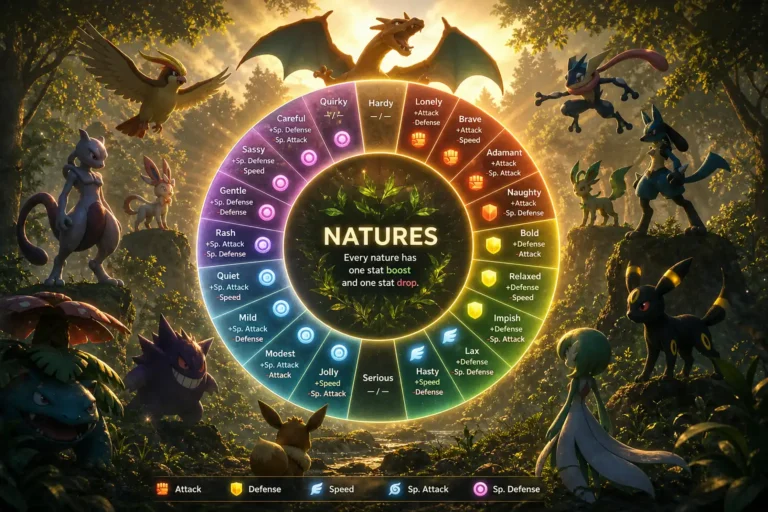
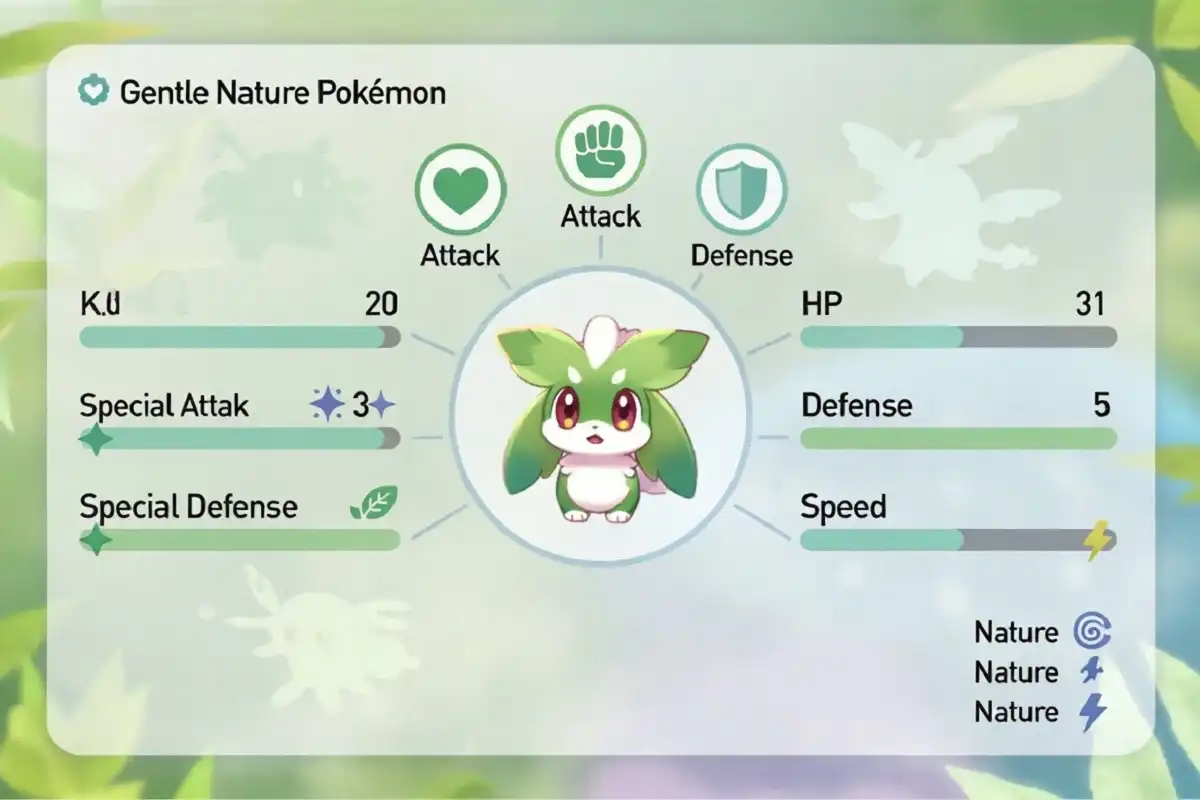
A gentle nature Pokemon is any Pokemon assigned the gentle nature, one of the 25 natures available since Generation III. Each nature raises one stat by 10% and lowers another, or leaves all stats flat. Gentle raises Special Defense by 10% and lowers Defense by 10%.
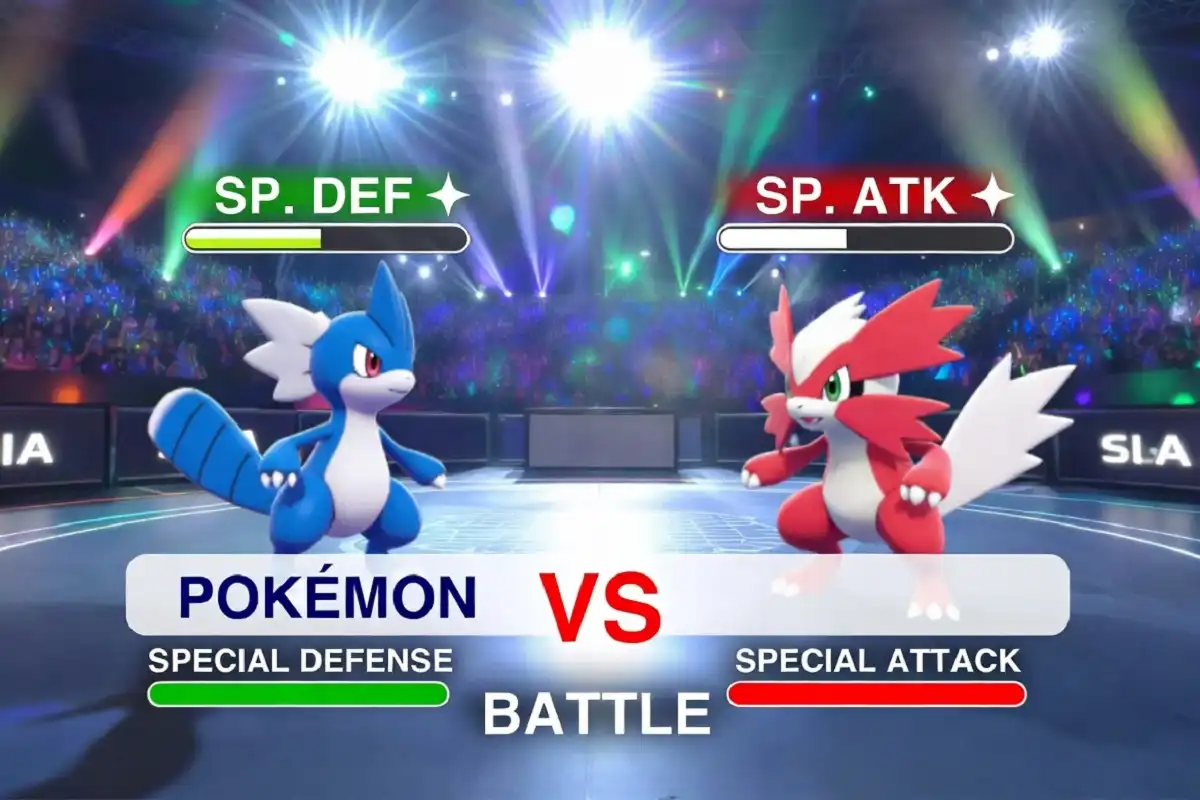
This creates a clear tradeoff. The Pokemon becomes more resistant to special moves like Flamethrower, Surf, and Thunderbolt, but easier to hurt with physical attacks.
Understanding this tradeoff is the starting point for using any build around this nature effectively.
How Gentle Nature Compares to Similar Natures
Several natures touch Special Defense or Defense in related ways. Comparing them helps you pick the right fit.
- Calm nature raises Sp. Def and lowers Attack, popular for support Pokemon that do not need to deal damage.
- Careful nature raises Sp. Def and lowers Sp. Attack, ideal for physical attackers that also need special bulk.
- Gentle nature raises Sp. Def and lowers Defense, leaving both offensive stats completely untouched.
Gentle is closest to calm but takes the penalty on Defense rather than Attack. That distinction matters based on whether your Pokemon is built to deal damage or purely to support the team.
For a broader look at related options, the guide on calm nature Pokemon builds and pro battle tips covers the nearby natures in useful detail.
When This Nature Is Actually Useful
A gentle nature Pokemon is not common in high-level play, but it has clear value in specific situations.
Special Tanks With No Physical Role
If a Pokemon has low Attack and relies entirely on special or status moves, trading Defense for extra Sp. Def can make it a more effective special wall. Support Pokemon in this category typically face more special threats than physical ones in their usual matchups, so the tradeoff pays off consistently.
Pokemon With High Natural Defense
Some Pokemon have strong base Defense, so the 10% penalty does not hurt them much in absolute terms. A Pokemon at 100 base Defense takes a smaller effective loss than one starting at 50. Running that calculation before committing to the nature is always worthwhile.
Doubles and VGC Formats
In double battles, roles become narrower and more defined. Certain support Pokemon face special attackers far more often than physical ones based on team structure. The extra Sp. Def bulk can let a Pokemon absorb one more special hit and still use a utility move, which can shift the outcome of a critical turn.
Best Pokemon for Gentle Nature
The best candidates for this nature share a few traits: solid base Sp. Def, enough natural Defense to absorb the 10% loss, and a role that does not depend on physical moves. A gentle nature Pokemon tends to work best in these categories:
- Specially bulky support Pokemon that rely on recovery and status moves rather than damage output
- Mixed walls where accepting a Defense drop in favor of special bulk makes strategic sense
- Pokemon placed in formats where special offense dominates, making the Sp. Def boost consistently valuable

Pairing a gentle nature Pokemon with teammates that carry strong physical bulk is one of the smartest ways to cover the lowered Defense. For more on how individual natures shift a Pokemon’s role, the breakdown of docile nature and whether it is worth using in battle offers useful perspective on neutral versus impactful nature choices.
How to Get One
Getting the right nature used to depend on luck, but modern Pokemon games give you several reliable paths. Targeting a gentle nature Pokemon is straightforward once you know which method to use.
Breeding With an Everstone
The Everstone is the most consistent tool. When a parent holds an Everstone during breeding, its nature passes to the offspring. Give your existing gentle nature Pokemon the Everstone before placing it in the Day Care or Picnic setup, and every egg will carry the same nature.
Synchronize in the Wild
The ability Synchronize gives a 50% chance that a wild Pokemon will share the nature of the Synchronize user leading your party. Sending a Pokemon with Synchronize and the right nature out front while hunting a specific target doubles your odds of landing the nature you want right away.
Mints in Sword, Shield, and Later Games
Starting in Generation VIII, Mints became available in the game. A Gentle Mint changes the stat behavior of any Pokemon to match a gentle nature Pokemon without altering the stored nature value. This is useful for adjusting a Pokemon you have already invested heavily in EV training.

Common Mistakes When Using Gentle Nature
Even experienced trainers make nature-related errors that quietly cost them battles.
Applying it to a physical attacker. If a Pokemon’s main damage comes from physical moves, the lowered Defense makes it easier to knock out with no useful benefit in return. This nature only provides real value when Sp. Def bulk is more important than physical endurance.
Ignoring team context. This nature becomes a liability if your team already lacks physical bulk and faces balanced offensive threats. Nature choices should always reflect the full team picture.
Skipping EV compensation. Investing Effort Values into Defense softens the nature penalty meaningfully. You will not fully recover the 10%, but you close the gap enough that the Sp. Def gain outweighs the loss.
Gentle Nature in Competitive Strategy
In serious competitive formats, a gentle nature Pokemon rarely appears in top-tier team lists. Most trainers prefer calm or careful nature for Sp. Def boosts because those options lower offensive stats rather than a defensive one, which is a safer tradeoff for pure tank roles.
That said, competitive Pokemon is not one rigid formula. Metagame shifts, creative archetypes, and format-specific threats all affect which natures become viable. If a specific tier sees heavy special offense and your team has strong physical coverage elsewhere, a gentle nature Pokemon slots in cleanly.
For trainers interested in how natural thinking and focused habits can improve strategy and daily performance, there is relevant reading on how nature can boost productivity and mental clarity that applies well beyond the game.
The official Pokemon Nature mechanics page on Bulbapedia provides accurate reference data on all 25 natures, including gentle, with precise stat multipliers.
Gentle Nature in the Games and Anime
Natures do not appear explicitly in the Pokemon anime, but the idea that a Pokemon’s personality shapes its behavior runs throughout the series. In the main series games, natures affect only numerical stats, but many trainers pick a gentle nature Pokemon partly because the in-game flavor text matches the character they want their team member to have.
In-game, this nature describes a Pokemon that likes to care for others. Some trainers choose it for roleplay or immersive reasons rather than purely for performance, and that is entirely valid in casual play.
Tips for Building Around This Nature
If you decide to use a gentle nature Pokemon, a few practical adjustments help it perform at its best.
- Pair it with teammates that carry strong physical Defense to cover the stat it trades away
- Use Protect, recovery moves, or healing items to extend its staying power in long battles
- Invest Defense EVs to narrow the nature penalty while still gaining from the Sp. Def boost
- Position it against special attackers where the raised Sp. Def delivers the most consistent value
For a deeper look at how nature selection connects to long-term team planning, the article on serious nature Pokemon and pro battle tips is a strong companion read alongside this guide.
Pokemon.com’s official competitive resources also offers guidance for trainers at every level who want to sharpen their team-building decisions.
FAQs
What stat changes does this nature cause?
A gentle nature Pokemon gains a 10% boost to Special Defense and takes a 10% reduction to Defense. All other stats remain unchanged, including both offensive stats.
Is this a good nature for competitive play?
A gentle nature Pokemon can work well in specific competitive roles, particularly as a special wall in formats dominated by special moves. It is rarely a top pick but fits cleanly in the right team context.
How do I get one through breeding?
Give a gentle nature Pokemon an Everstone and place it in the breeding setup. The Everstone locks the nature and passes it to every egg reliably.
Can I change a Pokemon to act like one without catching a new Pokemon?
Yes. A Gentle Mint in Generation VIII and later games makes any Pokemon behave like a gentle nature Pokemon in terms of stat multipliers, without changing the stored nature value.
How is this different from a calm nature Pokemon?
Both raise Special Defense by 10%. A calm nature Pokemon lowers Attack, while a gentle nature Pokemon lowers Defense. Calm is usually preferred for pure support roles, but gentle suits Pokemon that already have solid natural Defense and never rely on physical moves.
Conclusion
Gentle nature is a niche but legitimate choice in the right hands. It trades Defense for Special Defense, making it a solid fit for Pokemon built to absorb special hits while relying on teammates for physical coverage. The key is knowing your format, reading your team’s gaps, and compensating for the Defense drop with smart EV investment and partner selection. Do not overlook a gentle nature Pokemon just because it is less popular than calm or careful. In the right setup, it performs exactly where it is needed most.