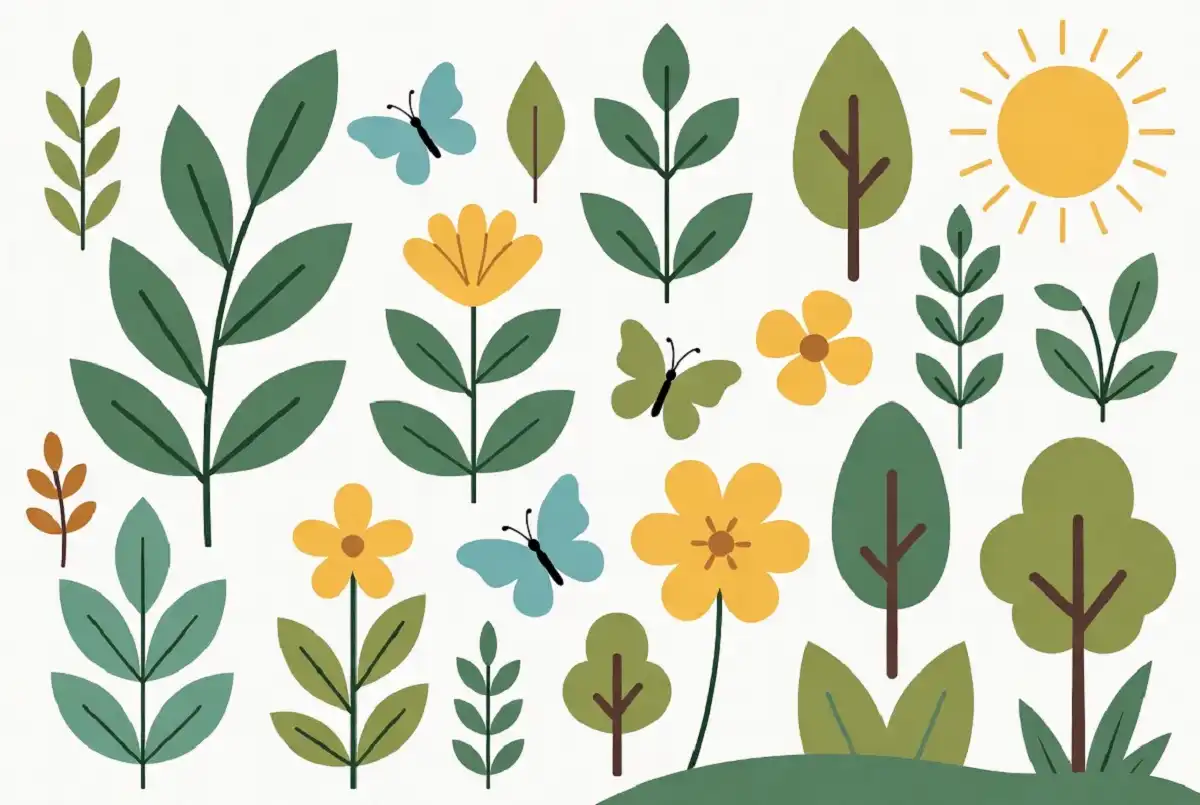
Nature Clipart: Best Free and Creative Options
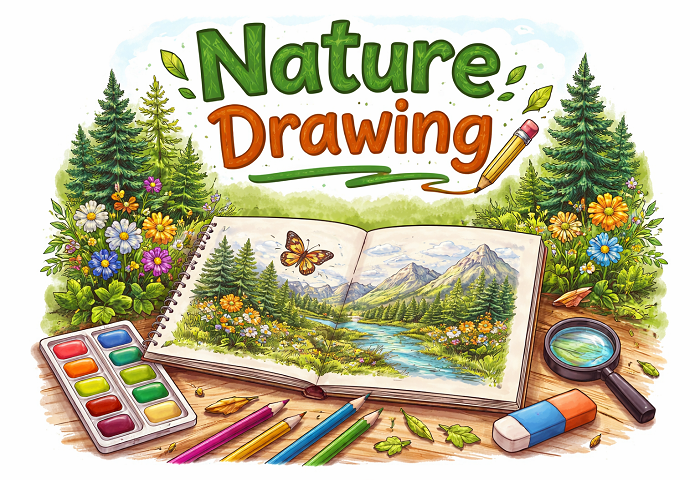
Nature clipart is one of the most widely used types of graphic art. Whether you are designing a school project, creating a greeting card, or building a website, small nature-themed illustrations can make your work look polished and inviting. From simple leaf outlines to detailed floral patterns, these graphics come in many styles to match any creative need. This article walks you through everything worth knowing about finding, choosing, and using nature clipart effectively.
What Is Nature Clipart?
Nature clipart refers to small, pre-made illustrations that represent natural elements. These can include:
- Leaves, trees, and branches
- Flowers and plants
- Animals like birds, butterflies, and insects
- Weather elements like clouds, rain, and sunshine
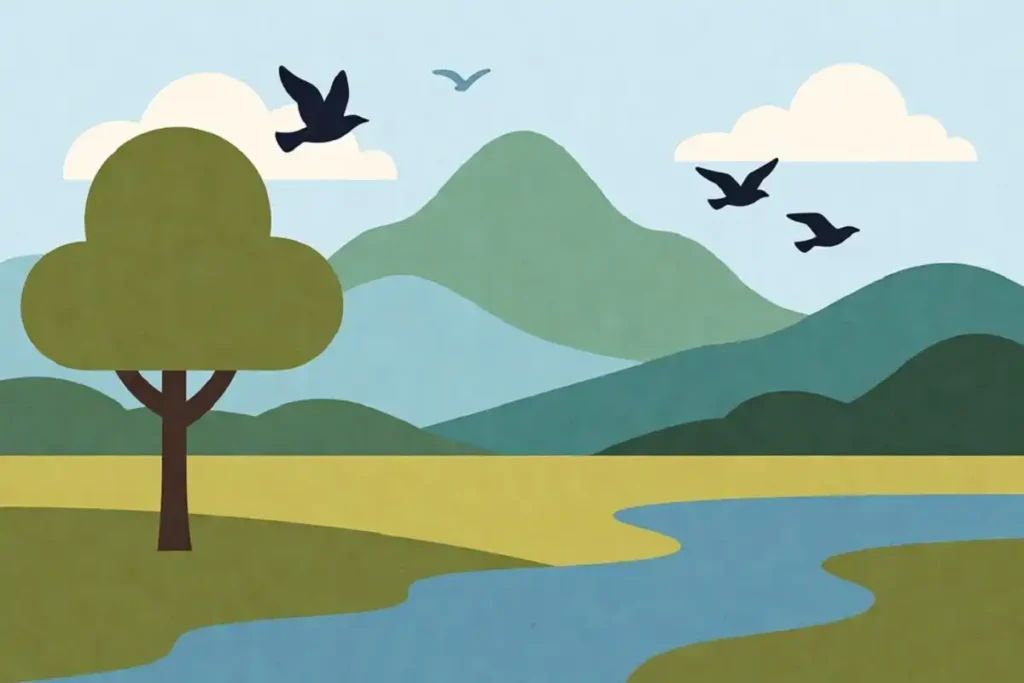
- Landscapes such as mountains, rivers, and meadows
These images are typically available in formats like PNG, SVG, and EPS. PNG files work well for digital use because they support transparent backgrounds. SVG files are ideal when you need to resize without losing quality, making them a popular choice for designers.
According to Wikipedia’s overview of clip art, clipart has been a part of graphic design since the early days of desktop publishing and remains relevant because of how quickly it communicates a visual idea.
Why Nature Clipart Is So Popular
Nature themes connect with people emotionally. Green leaves, blooming flowers, and calm water scenes feel familiar and comforting. This universal appeal makes nature clipart useful across many contexts, including:
- Education: Teachers use it on worksheets, presentations, and classroom decorations.
- Marketing: Small businesses add it to flyers, social posts, and packaging.
- Personal Projects: Crafters use it for scrapbooking, invitations, and home prints.
- Web Design: Developers and bloggers add it to headers, icons, and sidebar decorations.
The flexibility of these graphics is a big reason why demand for them stays high. A simple fern illustration, for example, can work equally well on a spa menu, a nature journal cover, or a kids’ activity sheet.
Types of Nature Clipart Styles
Flat Design Clipart
Flat design clipart uses simple shapes and solid colors without shadows or gradients. This style looks clean and modern. It fits well with digital presentations, app icons, and infographics. Flat leaf and flower icons are especially common in this category.
Watercolor Nature Clipart
Watercolor-style clipart mimics the soft, flowing look of hand-painted artwork. These graphics feel artistic and organic. They are popular for wedding invitations, baby shower decorations, and lifestyle blog graphics. Many designers appreciate how they add warmth without overpowering other elements on the page.
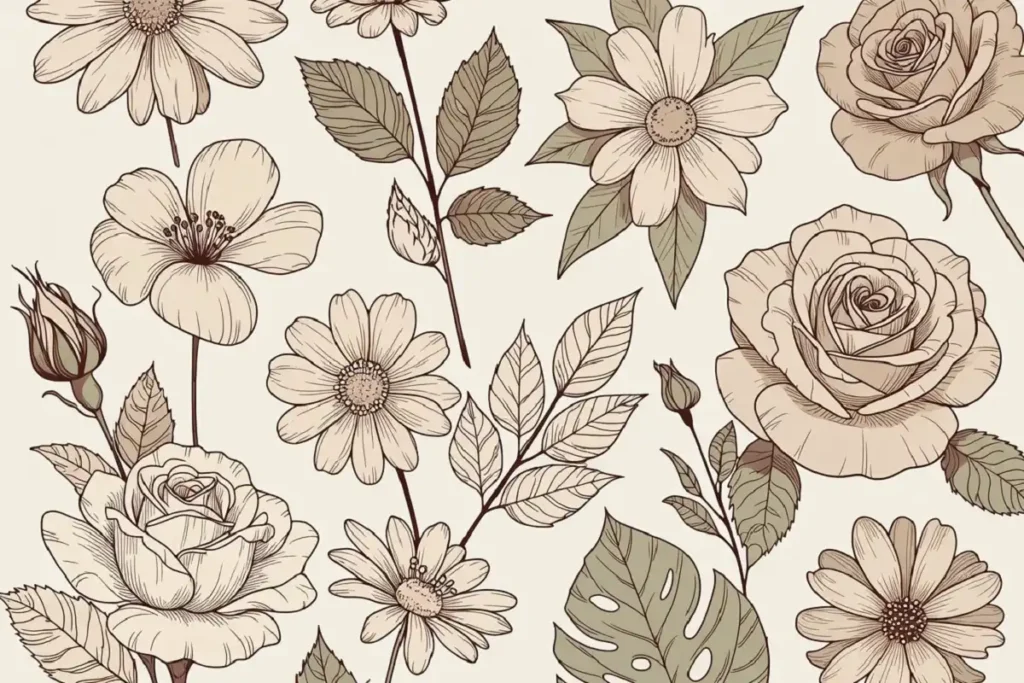
Line Art and Sketches
Line art clipart consists of simple outlines with little or no fill color. These images have an elegant, hand-drawn quality. They work particularly well in black and white print projects or when placed on colored backgrounds. Botanical line art of ferns, leaves, and wildflowers is a consistent favorite.
Cartoon Nature Clipart
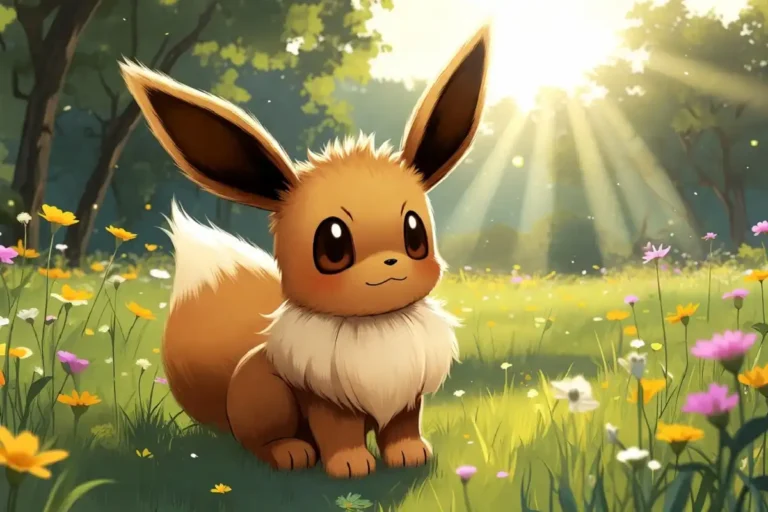
Cartoon-style nature illustrations are friendly and playful. These are widely used in children’s materials, educational content, and casual social media posts. A smiling sun, a round cartoon tree, or a cheerful bee are all examples of this style.
If you enjoy creating your own illustrations, you might find inspiration in these nature drawings easy ideas for every skill level, which cover simple techniques anyone can follow.
Where to Find Free Nature Clipart
Many websites offer free nature clipart for personal and commercial use. Here are some reliable sources:
- Pixabay offers thousands of free SVG and PNG nature graphics with no attribution required.
- Unsplash and Pexels occasionally include illustrated assets alongside photos.
- Canva provides built-in clipart libraries for subscribers and free-tier users alike.
- OpenClipart.org is a community-driven site with public domain illustrations.
- Freepik has an extensive nature category, though some files require attribution.
When downloading free clipart, always check the license. Terms like “Creative Commons,” “public domain,” and “royalty-free” each mean something different. Reading the usage rights before downloading ensures your project stays compliant.
For a broader look at how nature graphics connect with creative projects, Google Arts and Culture is worth exploring for historical and contemporary botanical illustration references.
How to Use Nature Clipart Effectively
Match the Style to Your Purpose
Choosing the right clipart style matters more than most people realize. A watercolor floral works well for a wedding program but looks out of place in a corporate report. A flat icon of a leaf fits perfectly in a sustainability infographic but may feel too cold for a personal birthday card.
Ask yourself: What emotion should this design create? Then pick a clipart style that supports that feeling.
Use Clipart as a Supporting Element
Nature clipart tends to work best as a supporting graphic rather than the main focus. Use it to frame text, fill empty corners, decorate borders, or guide the reader’s eye. Overloading a design with too many illustrations makes it busy and harder to read.
Keep Colors Consistent
If you are using multiple clipart pieces in one design, try to keep colors consistent. Many clipart packs are sold or offered together for this reason: they share the same palette and line weight. Mixing clipart from different sources can create a disjointed look unless you edit colors to match.
Resize Without Losing Quality
Always use vector formats like SVG when resizing clipart. Raster images like PNG lose sharpness when scaled up. If you only have a PNG, start with the largest size available and scale down rather than up.
Nature clipart also pairs well with printable projects. If you enjoy printable nature designs, take a look at these nature coloring pages with printable designs for every age for a creative extension of similar themes.
Creative Ways to Use Nature Clipart
Here are practical ideas for bringing nature clipart into real projects:
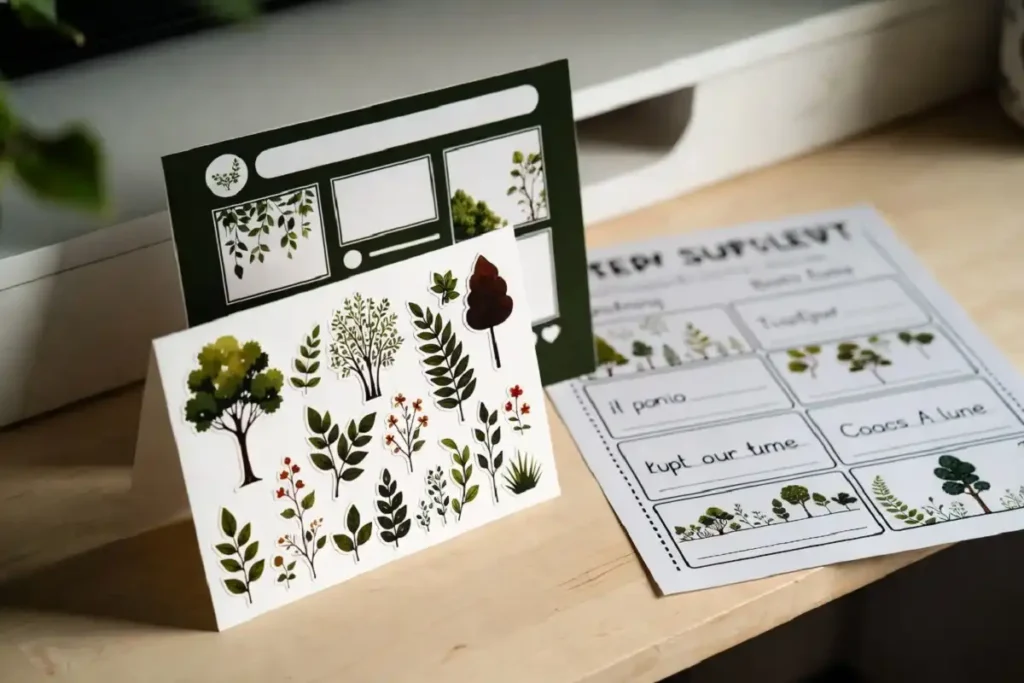
- Stationery and Cards: Add floral borders or leaf accents to greeting cards, thank-you notes, or invitations.
- Social Media Graphics: Use small nature icons as post dividers, story stickers, or profile highlight covers.
- Classroom Materials: Decorate worksheets, certificates, and reading logs with friendly animal or plant illustrations.
- Blog Headers: Place watercolor foliage behind text for an editorial, magazine-style look.
- Product Labels: Small businesses in food, beauty, or wellness often use botanical clipart on handmade product packaging.
- Presentations: Frame slides with corner leaf accents to give dry content a more inviting look.
You can also explore nature-inspired design ideas further with this guide to nice nature build ideas for your outdoor space, which touches on how natural aesthetics translate into physical environments.
Tips for Editing Nature Clipart
Most clipart files can be edited in free and paid tools. Here is a quick overview:
- Canva: Drag-and-drop editor, good for quick projects with minimal editing needs.
- Adobe Illustrator: Best for editing SVG files and adjusting vector paths.
- Inkscape: A free, open-source vector editor that handles SVG files well.
- GIMP: Useful for adjusting PNG color and transparency.
- Figma: Popular among UI designers; excellent for working with SVG assets.
Even simple edits like changing a leaf from green to gold or adjusting the size of a flower can make stock clipart feel more custom and unique to your project.
FAQs

What file format is best for nature clipart?
Is free nature clipart safe to use commercially?
How do I remove the background from nature clipart?
Can I use nature clipart in printed products?
Where can I find seasonal nature clipart?
Conclusion
Nature clipart is a practical and versatile tool for anyone working on creative projects. Whether you prefer the clean look of flat icons, the softness of watercolor florals, or the simplicity of line art, there is a style that fits your work. The key is choosing graphics that support your message, keeping colors consistent, and using the right file format for your medium. With so many free and affordable resources available, adding a natural touch to your designs has never been easier. Start exploring, experiment with different styles, and see how a small illustration can transform an ordinary design into something truly inviting.