Secret Nature: Hidden Wonders You Need to Explore
Most people move through the outdoors without stopping to look closely. But secret nature is always present, working quietly in the gaps between what we notice. It lives under logs, inside hollow trees, along forgotten creek banks, and in the space between two stones on a forest path. Once you start paying attention, you realize the natural world holds far more than it first shows you. This guide will help you find it, understand it, and appreciate it in a way that changes how you see every walk outside.
What Is Secret Nature?
Secret nature refers to the parts of the natural world that most people walk past without a second glance. It is not exotic or far away. It is the lichen slowly spreading across a stone wall, the spider building a perfect web under a park bench, or the tiny wildflower pushing up through a crack in the pavement.
This hidden layer of nature exists everywhere, but it rewards the people who slow down enough to notice it. It has no single definition. To some, it means unexplored wild spaces like unmapped forests or quiet wetlands. To others, it means the small-scale world of insects, fungi, and mosses that most eyes pass over.
Both interpretations are correct. Secret nature is simply the part of the living world that does not ask for your attention, yet gives back enormously when you offer it.
Where Secret Nature Hides in Plain Sight
You do not need to travel far to find hidden natural beauty. Some of the most rewarding encounters happen within walking distance of your front door.
Urban Green Spaces
City parks, rooftop gardens, and even roadside verges are full of life that goes unnoticed. A patch of ivy on a brick wall may shelter dozens of insect species. Old cemetery grounds often hold rare wildflowers because they have never been reploughed. Even a single mature tree in a car park can support birds, fungi, beetles, and lichen communities that have been quietly thriving for decades.
Forest Floors and Understory Layers
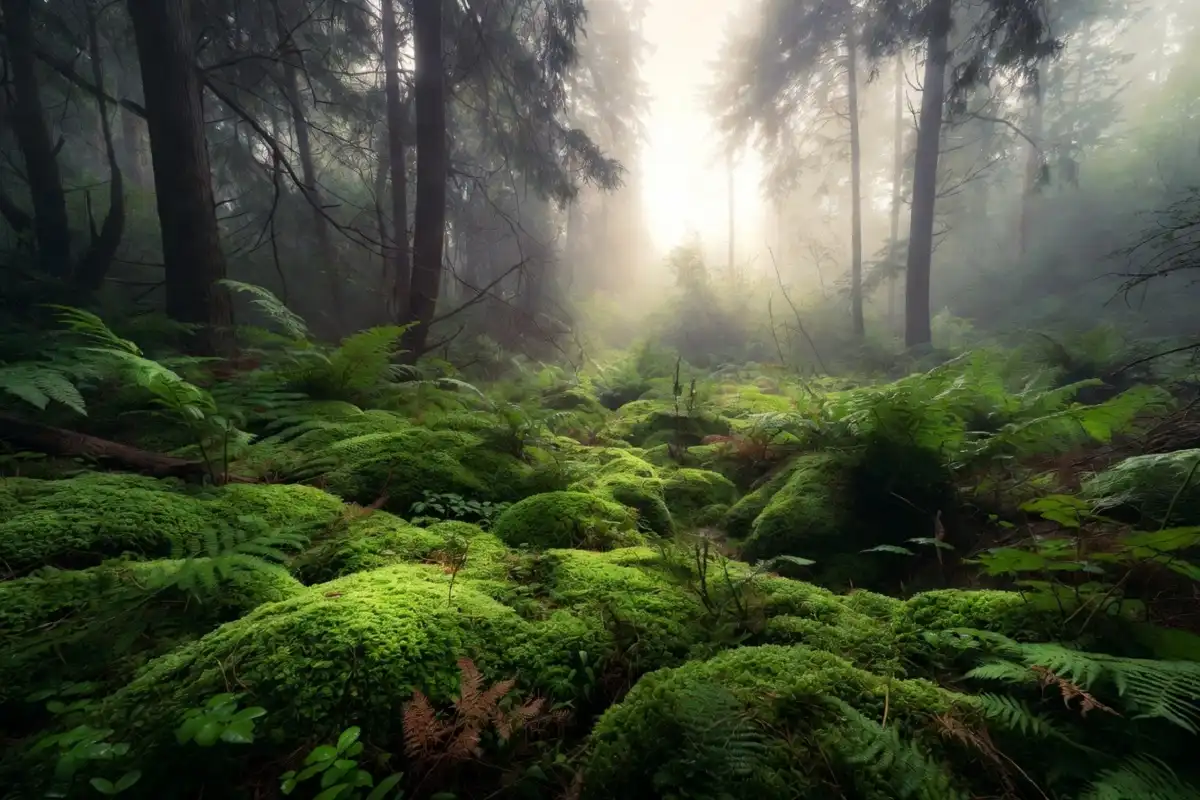
The forest floor is one of the richest places to discover secret nature. Fallen logs become entire ecosystems, hosting fungi, beetles, salamanders, and mosses across their slow decades of decay. The understory, which is the layer of shrubs and young trees beneath the forest canopy, is often overlooked in favor of the tall trees above. Yet this is where most woodland birds nest, where rare ferns grow, and where deer quietly shelter during the day.
If you want a deeper understanding of wild woodland beauty, this piece on poems about nature captures the emotional texture of these hidden spaces in a way that science alone cannot.
Wetlands and Water Edges
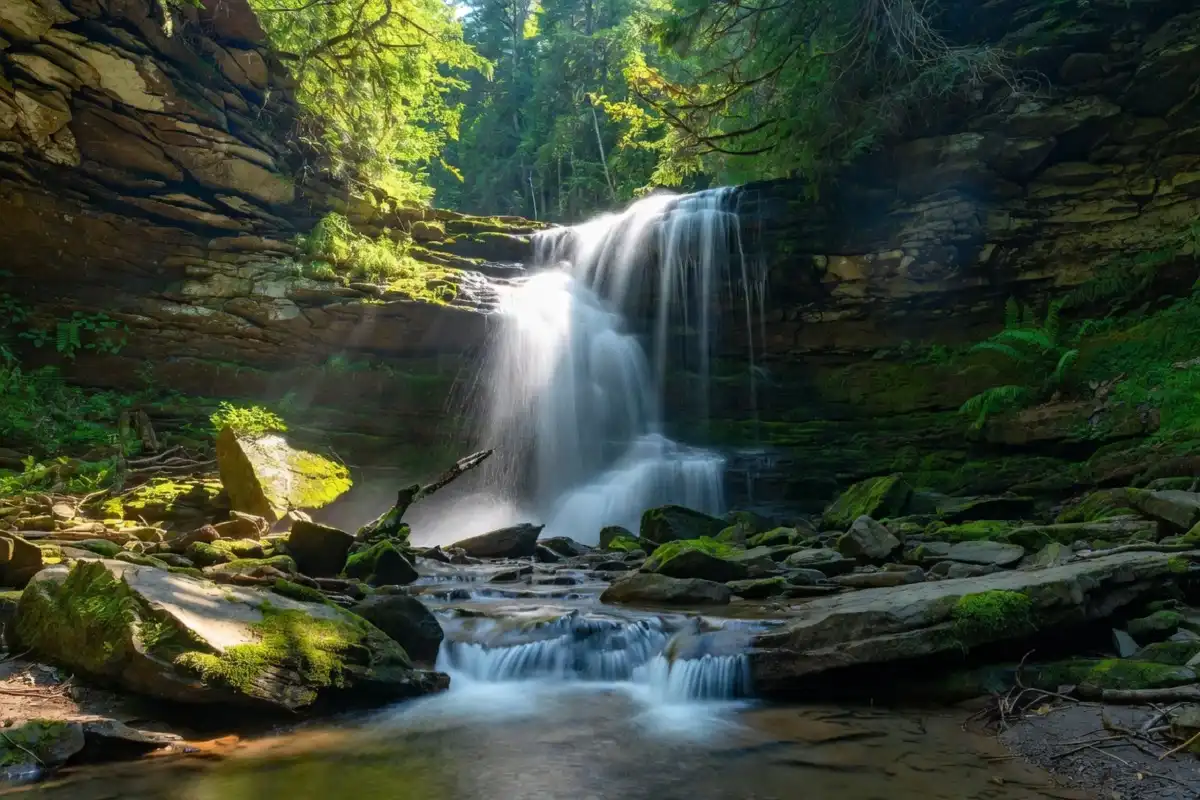
The edges of ponds, streams, and marshes are transition zones where land and water meet. These areas are among the most biodiverse on the planet, yet they rarely get the same attention as open meadows or mountain views. Dragonflies patrol the margins. Frogs call from the reeds at dusk. Beneath the surface, a whole community of invertebrates works to keep the water clean.
The Science Behind Nature’s Hidden World
Understanding why so much of nature stays hidden adds another layer of appreciation to what you find.
Cryptic Coloring and Camouflage
Many animals and plants have evolved specifically to avoid being seen. Moths rest with their wings pressed against bark, their patterns an almost perfect match. Stick insects are nearly invisible among the twigs they perch on. Even some flowers use ultraviolet patterns that are invisible to human eyes but glow like landing strips for bees.
This is not deception for its own sake. It is survival, refined over millions of years. When you find a well-camouflaged creature, you are witnessing one of nature’s most precise solutions to a difficult problem.
Fungal Networks Underground
One of the most discussed examples of secret nature in recent years is the mycorrhizal network, a web of fungal threads that connects the root systems of trees. Through this network, trees share nutrients and even chemical signals. A stressed tree can receive resources from a healthier neighbor. The forest floor looks still, but beneath it, a living communication system is running continuously.
To explore more about what exists just beneath the surface of everyday landscapes, the back to nature guide offers a useful look at why reconnecting with these systems matters so much right now.
Bioluminescence After Dark
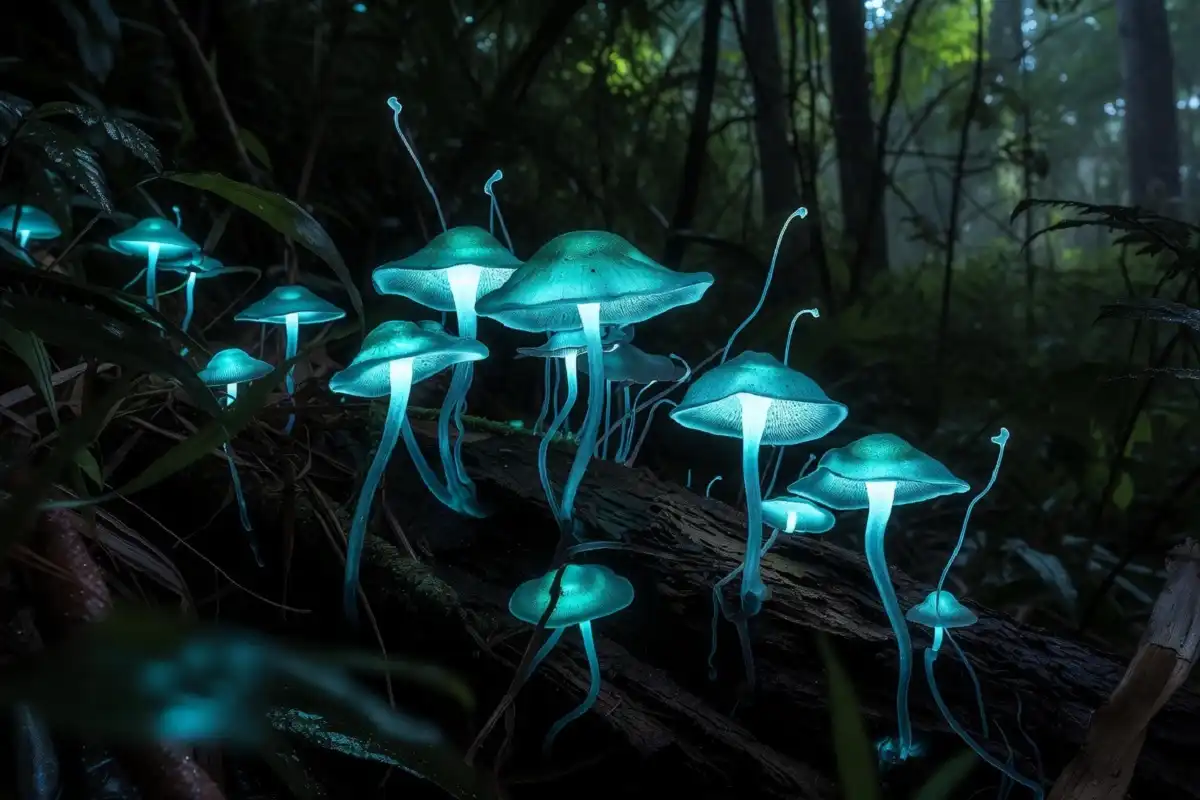
Some of nature’s best-kept secrets only reveal themselves at night. Bioluminescent fungi, found in certain damp forest environments, emit a faint glow in darkness. Fireflies use light pulses to communicate. Even some marine plankton glow when disturbed, turning breaking waves into curtains of blue light.
These phenomena are documented by researchers at institutions like the Smithsonian Institution, which studies bioluminescence across dozens of ecosystems worldwide.
How to Find Secret Nature Wherever You Are
You do not need specialist equipment or a remote destination. A few simple habits will transform any outdoor walk.
- Move slowly. Most hidden nature reveals itself to those who pause. A five-minute stop at a single tree can produce more discoveries than an hour of brisk walking.
- Look at different scales. Check under leaves, inside hollow branches, at the base of wall crevices. The world looks completely different at ground level or through a hand lens.
- Visit the same spot repeatedly. Seasonal changes reveal entirely different communities of plants and animals. A bare winter hedgerow and the same hedgerow in June are almost unrecognizable as the same place.
- Go out at different times of day. Dawn and dusk are peak activity periods for many species. Night walks reveal a completely different cast of characters.
- Use field guides. Identifying what you find deepens the experience. Even a free app like iNaturalist can help you put names to unknown species and contribute your sightings to real scientific databases.
The nature backgrounds guide is a helpful companion for those who want to bring the textures and patterns of hidden nature into their digital spaces as well.
Secret Nature and Your Well-Being
There is growing evidence from environmental psychology that spending time in natural spaces, even quiet or unremarkable ones, has measurable effects on stress and mental clarity. Research published by the American Psychological Association supports the idea that regular exposure to natural environments reduces anxiety and improves attention.
What makes the search for secret nature particularly valuable is that it adds an active, curious dimension to time outdoors. Rather than simply being present in a park, you are looking, questioning, and discovering. That engaged attention seems to compound the benefits.
Visitors to places like the Lake Katherine Nature Center often report that guided walks through quiet, unspectacular habitats are among the most memorable nature experiences they have had, precisely because they reveal so much that normally goes unseen.
Seasonal Secrets Worth Watching For
Each season brings its own category of hidden natural events.
Spring: Watch for the emergence of early pollinators on warm days before the main flower bloom. Also look for newts and salamanders moving to breeding ponds on mild wet nights.
Summer: Check the undersides of leaves for insect eggs and larvae. Listen for the calls of nocturnal insects after dark. Look for fungi beginning to appear in shaded, damp corners.
Autumn: Fungi reach peak variety in autumn in most temperate climates. Migrating birds move through in numbers, sometimes resting in hedgerows and scrubland that would otherwise seem unremarkable.
Winter: Bare trees reveal nests, bark textures, and the shape of the land. Animal tracks in mud or light snow tell stories that are invisible in other seasons. Lichen and moss glow brighter green after rain.
FAQs
What does secret nature mean?
Secret nature refers to the parts of the living world that most people overlook, including small organisms, hidden habitats, and natural processes that happen quietly out of sight. It is not limited to remote wild places. It exists in gardens, city parks, forest floors, and roadside verges, waiting for those who slow down enough to notice.
How can I start discovering hidden nature near me?
The easiest starting point is to slow down on walks you already take. Look under logs, check the undersides of leaves, crouch down to ground level, and revisit the same spot at different times and seasons. A basic field guide or a free app like iNaturalist will help you identify what you find and connect your observations to a wider community of naturalists.
Why is secret nature important?
The hidden layers of the natural world perform essential functions that keep ecosystems healthy. Fungi break down dead matter and cycle nutrients. Insects pollinate plants and feed birds. Mosses retain moisture in soil. When these hidden components are lost, the visible parts of nature begin to suffer as well. Paying attention to them is not just rewarding personally. It also builds the kind of awareness that motivates people to protect natural spaces.
Is secret nature different from biodiversity?
They overlap but are not identical. Biodiversity is a scientific measure of species variety in a given area. Secret nature is a broader, more personal concept. It includes not just rare or diverse species but the everyday, unnoticed processes and organisms that make up the functioning living world. A mossy wall in an ordinary town is not particularly biodiverse, but it is full of secret nature.
Do I need specialist knowledge to explore secret nature?
No. Curiosity is the main requirement. Specialist knowledge deepens the experience, but many of the most rewarding discoveries come simply from looking carefully at things most people ignore. As your interest grows, a field guide or a nature walk led by an expert can help you layer understanding onto what you already observe.
Conclusion
Secret nature is not somewhere else. It is right where you are, working quietly in the background of every outdoor space you visit. The forest floor, the mossy stone wall, the forgotten meadow edge, and the night sky above a dark field all hold more than they first appear to offer. Slowing down and looking closely is the only skill required.