Lake Katherine Nature Center: A Complete Visitor Guide
Lake Katherine Nature Center sits in Palos Heights, Illinois, just a short drive from Chicago. This 84-acre urban oasis combines wetlands, native prairies, and woodland trails into one accessible green space. Whether you are looking for a peaceful morning walk, a chance to learn about local ecosystems, or a family-friendly outdoor experience, this nature center delivers something real and lasting. It is the kind of place that reminds you how much beauty exists close to home, without requiring a long road trip or expensive tickets.
What Is Lake Katherine Nature Center?
Lake Katherine Nature Center is a free, publicly accessible urban nature preserve managed by the City of Palos Heights. The centerpiece of the park is a 10-acre artificial lake fed by a recirculating waterfall, one of the largest man-made waterfalls in the Chicago metropolitan area. The surrounding landscape includes native plant gardens, wetland areas, open meadows, and wooded paths that support a wide variety of local wildlife.
The nature center building itself hosts educational programs, exhibits about native ecosystems, and resources for school groups and community visitors. It is a place built around the idea that nature education and environmental appreciation should be available to everyone, regardless of age or experience.
A Brief History of the Site
The site was created through a major reclamation project in the early 1990s. What was once a degraded industrial area and landfill was transformed into a thriving natural habitat. The waterfall, lake, and surrounding landscape were all carefully designed and planted to restore ecological function while creating a welcoming space for the public.
This kind of restoration project is worth understanding because it shows how intentional planning can bring nature back to urban spaces. If you are curious about how technology is helping people reconnect with outdoor environments, the Gadgets and Nature guide at redgif.ca explores some interesting tools that support exactly that goal.
Trails and Walking Paths
How Long Are the Trails?
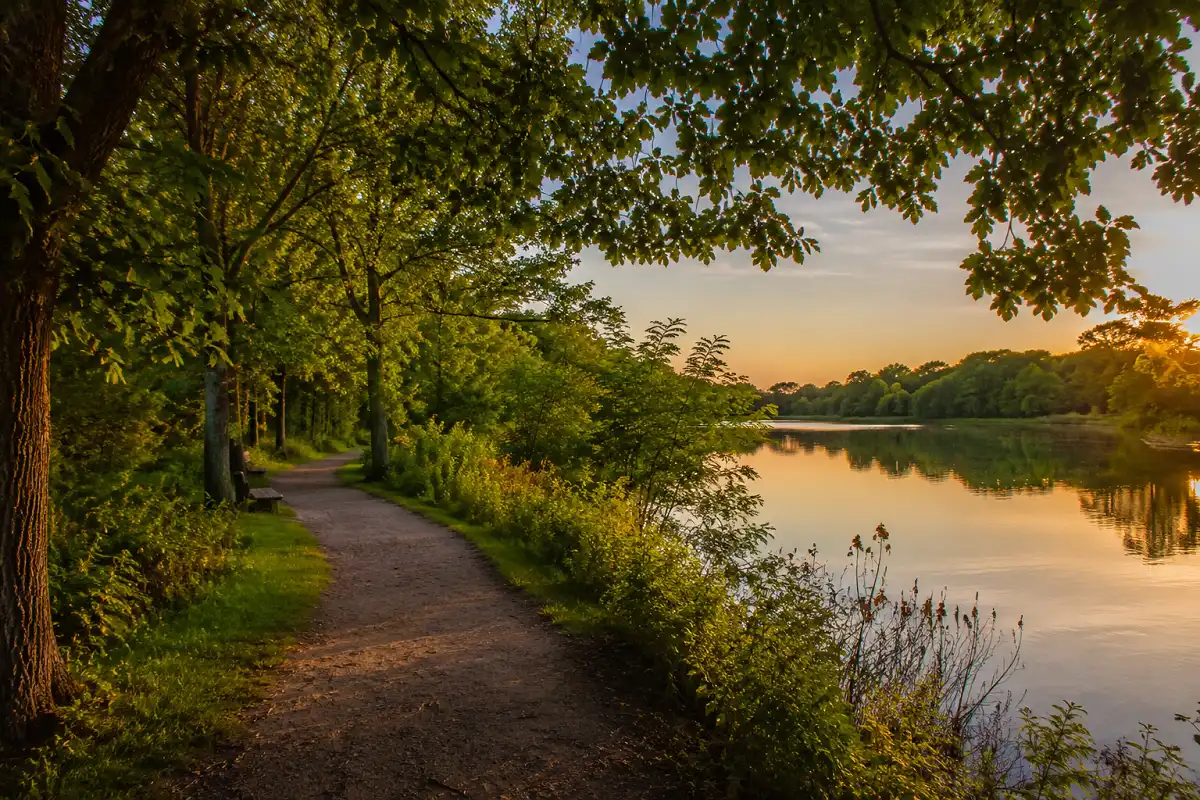
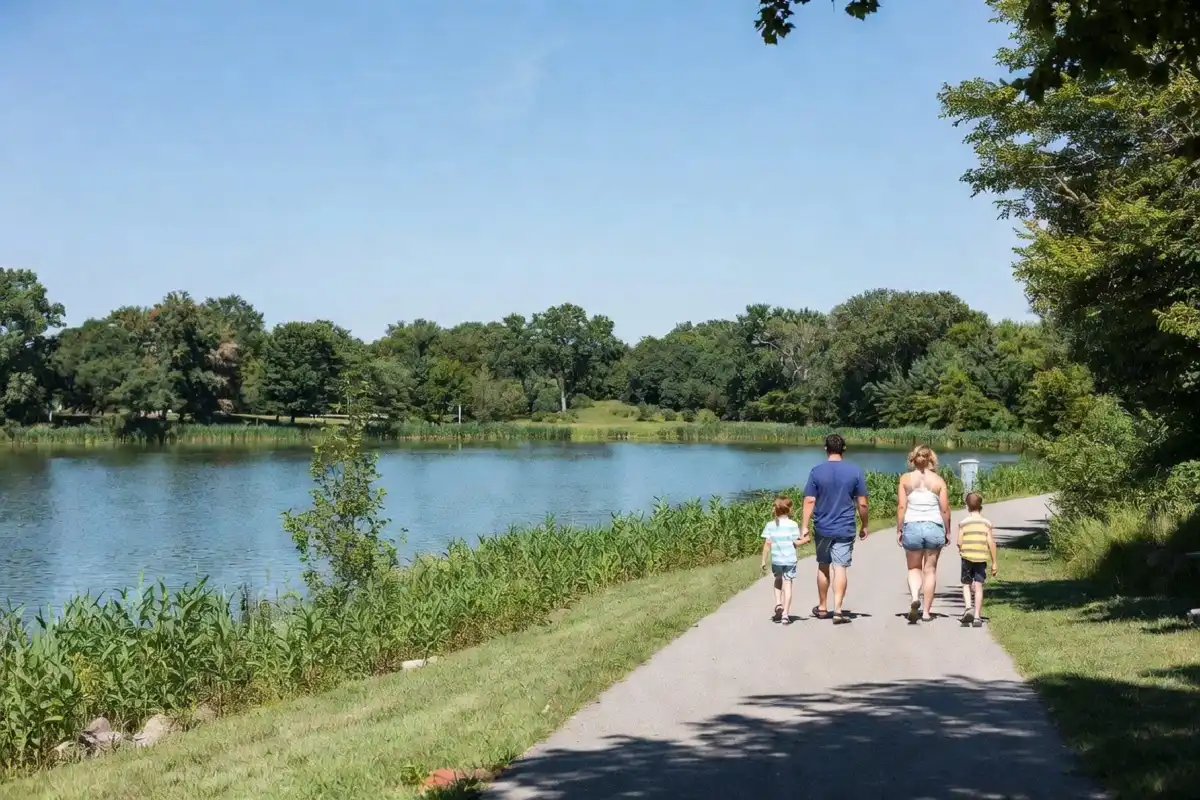
The trail system at Lake Katherine Nature Center totals roughly 2.5 miles of well-maintained paths. Most of the routes are flat and paved or compacted gravel, making them accessible for strollers, wheelchairs, and visitors of all fitness levels. There are no steep climbs or technical terrain. The paths wind around the lake, through the native gardens, and along the edges of the wetland areas.
The main loop around the lake is the most popular route. It takes about 30 to 45 minutes at a relaxed walking pace. Along the way, you pass the waterfall, observation decks, and several habitat zones that offer different scenery depending on the season.
Seasonal Trail Highlights
Each season brings a different feel to the trails:
- Spring: Migratory birds arrive, wildflowers bloom, and the wetlands become active with frogs and insects.
- Summer: The native gardens peak with color, and the lake reflects long stretches of blue sky.
- Autumn: Tree canopies shift through amber and red tones, making the trails especially photogenic.
- Winter: The park stays open for quiet walks. Snow on the trail edges and ice on the lake edges create a calm, still atmosphere.
The Waterfall and Water Features
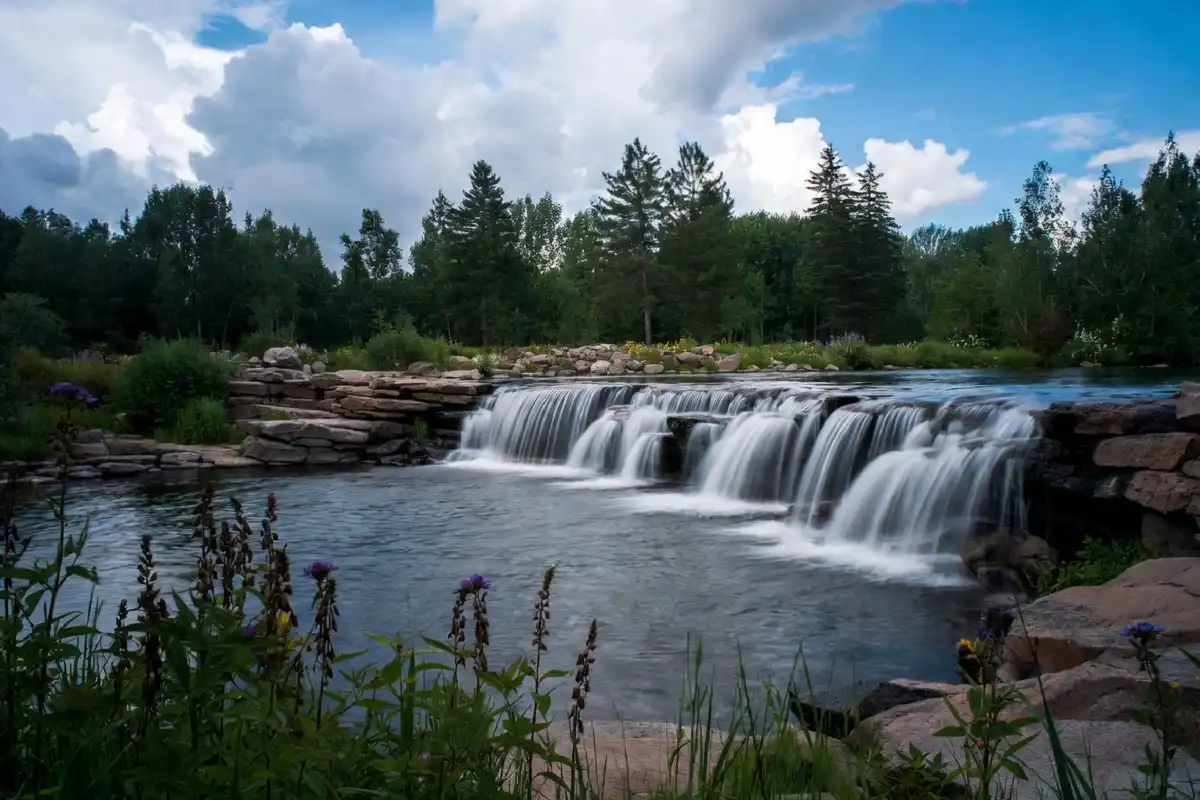
The signature feature of Lake Katherine Nature Center is the recirculating waterfall. Water flows from an elevated point and cascades into the lake below, creating a constant gentle sound that carries across the park. This is not a natural waterfall, but it was designed to function like one, supporting oxygenation of the lake and providing a focal point for visitors.
Sitting near the waterfall is one of the most calming experiences the park offers. Many visitors stop here before starting or finishing their walk. If you find that spending time near natural sounds helps you reset mentally, you might enjoy reading about why getting back to nature matters more than ever for everyday wellbeing.
Wildlife You Can Spot
Birds
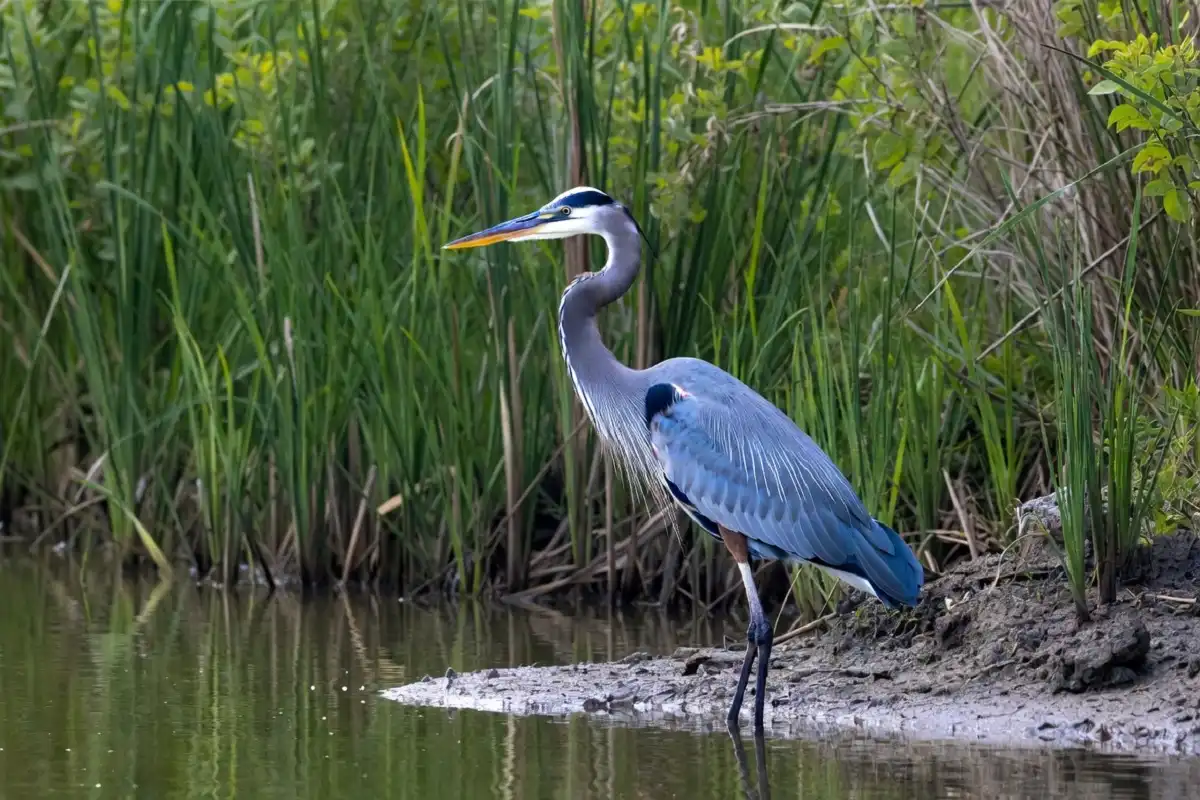
Lake Katherine Nature Center is excellent for birdwatching. The lake and wetlands attract a steady mix of resident and migratory species throughout the year. Common sightings include:
- Great blue herons
- Mallard ducks and Canadian geese
- Red-winged blackbirds
- Various warbler species during spring migration
- Belted kingfishers hunting along the lake edge
Other Wildlife
Beyond birds, the park supports a healthy population of painted turtles, bullfrogs, and various dragonfly species near the water. White-tailed deer occasionally pass through the wooded sections of the preserve. The native plantings have been specifically chosen to attract pollinators, so expect to see bees and butterflies throughout the warmer months.
Native Plant Gardens
One of the most educational features of the site is its extensive native plant garden. These plantings include Illinois-native prairie grasses, wildflowers, sedges, and shrubs that support local biodiversity without requiring heavy maintenance or watering.
Walking through the garden areas is a chance to see what the Illinois landscape looked like before European settlement altered much of the native ecosystem. Labels and informational signage help visitors identify plants and understand their role in the broader habitat.
For anyone interested in the intersection of nature and daily life, the nature backgrounds guide at redgif.ca touches on how natural imagery can bring a bit of that outdoor feeling into everyday spaces.
Educational Programs and Events
What Programs Does Lake Katherine Nature Center Offer?
The nature center runs year-round programming for school groups, families, and individual visitors. Programs cover topics like wetland ecology, native plant identification, bird behavior, and environmental stewardship. Many programs are offered at low or no cost, which keeps them accessible to a wide range of community members.
The center also hosts seasonal events tied to nature cycles, such as frog walks in spring and migratory bird observation sessions in autumn. These events are often guided by naturalists or experienced volunteers who can answer questions and share local knowledge.
Youth and School Programs
Lake Katherine has a long-standing relationship with local schools in the south suburbs of Chicago. Field trip programs align with Illinois science education standards and give students hands-on time outdoors. Teachers can request customized programming to fit specific curriculum needs. For young learners, a visit here often creates a lasting connection to the natural world.
Visiting Practical Information
Is Lake Katherine Nature Center Free?
Yes, general access to the grounds and trails is free for all visitors. Parking is also free. Some specific educational programs or guided events may have a small fee, but the majority of what the park offers costs nothing to enjoy.
Hours and Location
The park grounds are open daily during daylight hours throughout the year. The nature center building itself has its own schedule that changes seasonally, so checking directly with the city of Palos Heights before visiting is a good idea if you want to access the indoor exhibits.
The address is located in Palos Heights, Illinois, which is roughly 20 miles southwest of downtown Chicago. It is accessible by car and sits near several other forest preserve trails in the region.
Tips for Your Visit
- Arrive early on weekends to find the quietest trail experience.
- Bring binoculars if you are interested in birdwatching.
- Wear comfortable walking shoes. Trails are mostly flat but can be muddy near wetland edges after rain.
- Bring a water bottle, especially in summer. There are no food vendors on site.
- Leashed dogs are welcome on the trails.
For those who love writing or reflecting on their experiences in nature, poems about nature can be a wonderful companion to a visit like this, capturing what words sometimes struggle to fully hold.
Why Urban Nature Centers Matter
Places like Lake Katherine Nature Center serve a purpose that goes beyond recreation. Urban green spaces provide measurable mental health benefits, support biodiversity corridors in developed landscapes, and give communities access to nature without requiring travel to distant parks.
Research from institutions like the National Recreation and Park Association supports the value of accessible green spaces in urban areas. The presence of thriving wetland habitats within a city environment also helps filter stormwater and support cleaner waterways in the broader region. You can explore more about urban ecology and green infrastructure at the National Wildlife Federation, which offers resources on wildlife-friendly spaces across the country.
For more science-backed information on the benefits of spending time in natural spaces, the National Park Service provides a helpful overview of how outdoor experiences contribute to overall health.
FAQs
Is Lake Katherine Nature Center suitable for young children?
Yes, it is one of the most family-friendly nature areas in the Chicago suburbs. The flat, paved trails are stroller-friendly, and the variety of wildlife and water features keeps younger visitors engaged throughout the walk.
Can I fish at Lake Katherine Nature Center?
Fishing is permitted in the lake under Illinois fishing regulations. You will need a valid Illinois fishing license if you are above the age requirement. The lake holds various freshwater fish species common to the region.
Are dogs allowed at Lake Katherine Nature Center?
Dogs are welcome on the trails as long as they remain on a leash. Visitors are expected to clean up after their pets and keep dogs away from sensitive habitat areas near the water’s edge.
What is the best time of year to visit?
Spring and early autumn are particularly rewarding. Spring brings migratory birds and blooming wildflowers, while autumn offers colorful foliage and cooler walking temperatures. That said, the park has something to offer in every season.
Is there parking available on site?
Yes, there is a free parking lot at the nature center. It fills up quickly on weekend mornings during peak seasons, so arriving early gives you the best chance of a convenient spot.
Are there guided tours available?
The nature center offers guided programming on a scheduled basis throughout the year. Contacting the center directly through the Palos Heights city website will give you the most current schedule of guided walks and educational events.
Conclusion
Lake Katherine Nature Center is one of the Chicago area’s most accessible and rewarding outdoor destinations. From the recirculating waterfall and lake views to the rich birdlife and native plant gardens, the park offers a full nature experience without requiring hours of travel or any admission fee. It is the kind of place that rewards a slow, attentive visit.