Nature Center Travel: Your Complete Visit Planner
Nature center travel should do one thing well: get you from your car to the trail with less guessing and more wonder. Here is everything I’ve learned visiting these places across the States, so your first stop feels easy.
Smart nature center travel means planning timing, parking, trails, and gear before you arrive. Visit early morning for wildlife and light, check trail maps at the front desk, wear layered clothing, and stay on marked paths.
What Is a Nature Center?
A nature center is a public facility that protects a natural area and teaches visitors about local plants, wildlife, and ecosystems. Most sit on preserved land with trails, a visitor building, and staff or volunteers who know the area well.
You’ll usually find live animal exhibits, a small museum space, restrooms, and maps inside. Outside, marked trails let you walk through forests, wetlands, or prairies at your own pace. Many centers stay free or ask for a small donation.
Think of it as the friendly front door to a wild place. The building orients you, and the land does the rest. That’s where good nature center travel planning earns its keep, turning a blank map into a clear plan.
Why Visit a Nature Center?
Nature centers make the outdoors approachable for everyone. Families, solo hikers, birders, and photographers all find something useful here.
The trails tend to be shorter and well maintained, so they suit beginners and kids. Staff can point you to what’s blooming, nesting, or migrating that week. That kind of local knowledge saves you hours.
I stop at nature centers before longer trips to check trail conditions and recent wildlife sightings. The people at the desk often know things no app will tell you. If you’re building a habit of getting outside, these visits offer an easy first step toward spending more time in nature.
Best Time for Nature Center Travel
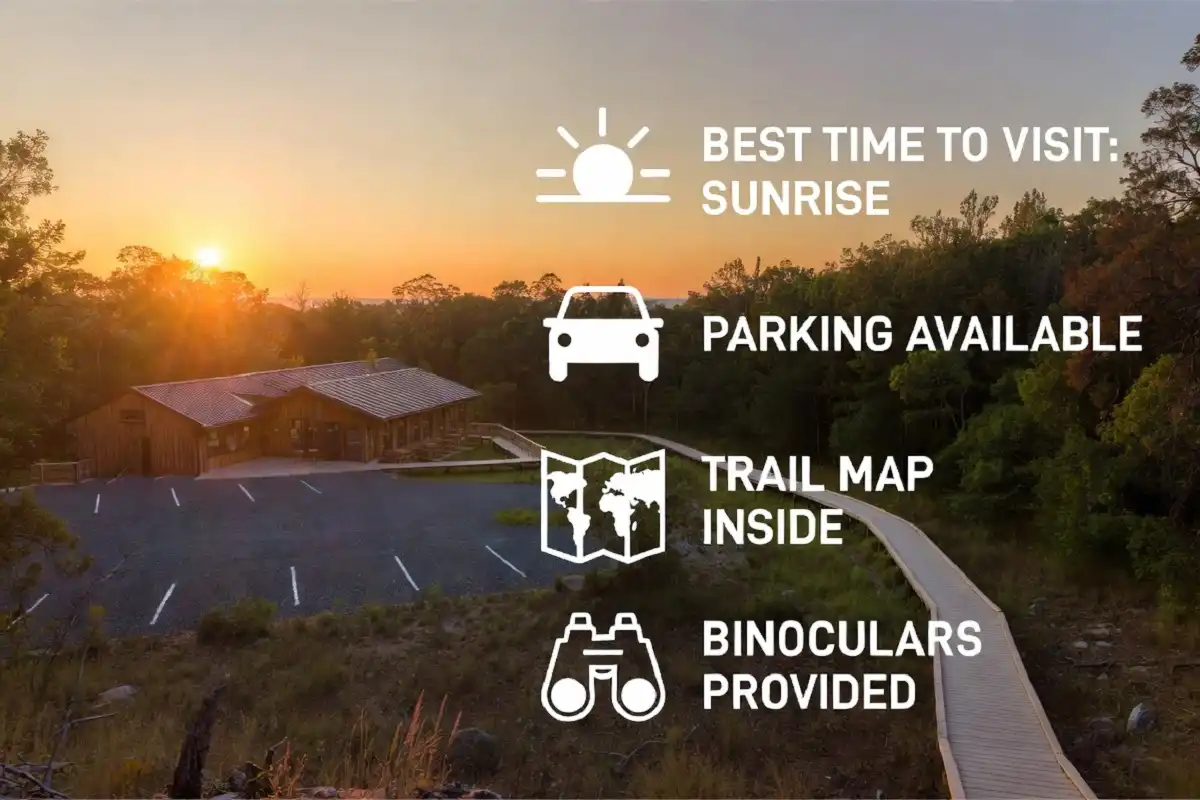
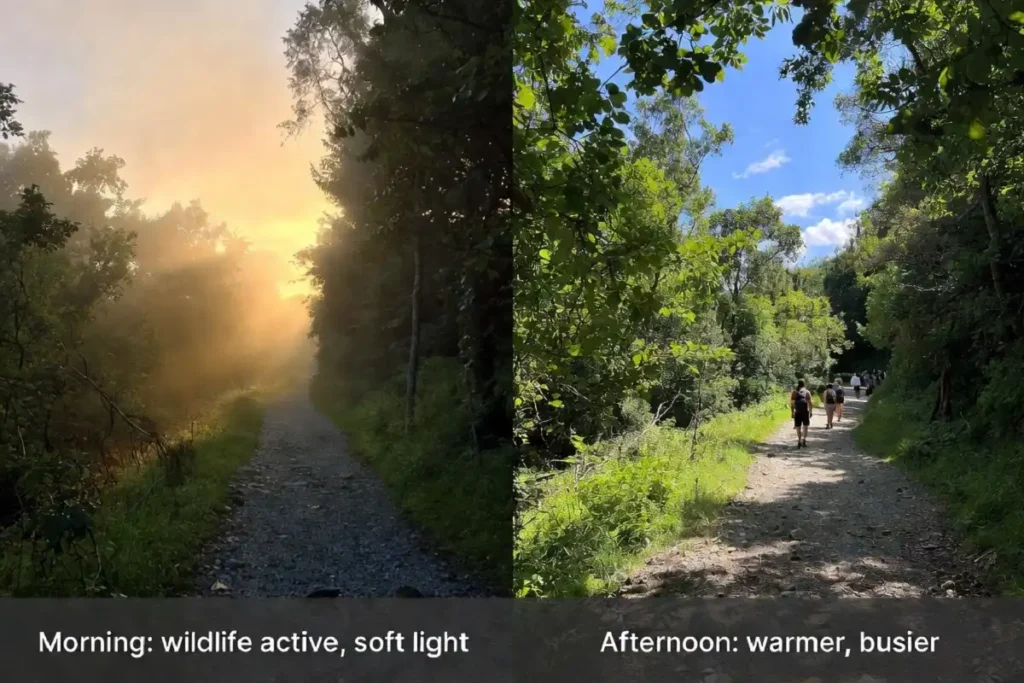
Early morning is the best time for nature center travel. Wildlife moves most at dawn, the light is soft for photos, and parking lots stay empty before the mid-morning crowd arrives.
Morning vs. Afternoon
Morning gives you cool air, active birds, and quiet trails. Songbirds feed heavily right after sunrise. Deer and other mammals stay out before the day warms up.
Afternoons run warmer and busier. Families arrive after lunch, and animals often rest during the heat. If mornings don’t work, aim for the last two hours before closing. Golden hour returns, and crowds thin out again.
Season by Season
Spring brings wildflowers, nesting birds, and migration. Summer means full green canopy and longer hours, though midday heat can be strong. Fall delivers color and comfortable temperatures, which makes it my favorite window. Winter strips the trees bare, so you see farther and spot wildlife more easily against the open landscape.
Check the center’s seasonal hours before you go. Many shorten their schedules in winter. Timing is the part of nature center travel people skip most, and it’s the one that changes your whole day.
How to Plan Your Nature Center Visit
Planning nature center travel takes only a few minutes. Confirm hours, trail difficulty, parking, and weather the night before, then pack accordingly. A short nature center travel checklist keeps you from forgetting the basics.
Start with the center’s website or a quick phone call. Ask about trail closures, guided walks, and any entry fees. Some centers require timed tickets during busy seasons, so book ahead when needed.
Match the trail to your group. A family with young kids wants a flat, short loop. A birder wants access to a wetland overlook. Read the trail descriptions before you drive out.
Weather shapes everything outdoors. Rain the day before can leave boardwalks slick and dirt trails muddy. A good habit is checking conditions the same way you would when planning any outdoor day, the way careful hikers scout the best local trails before heading out.
What to Pack
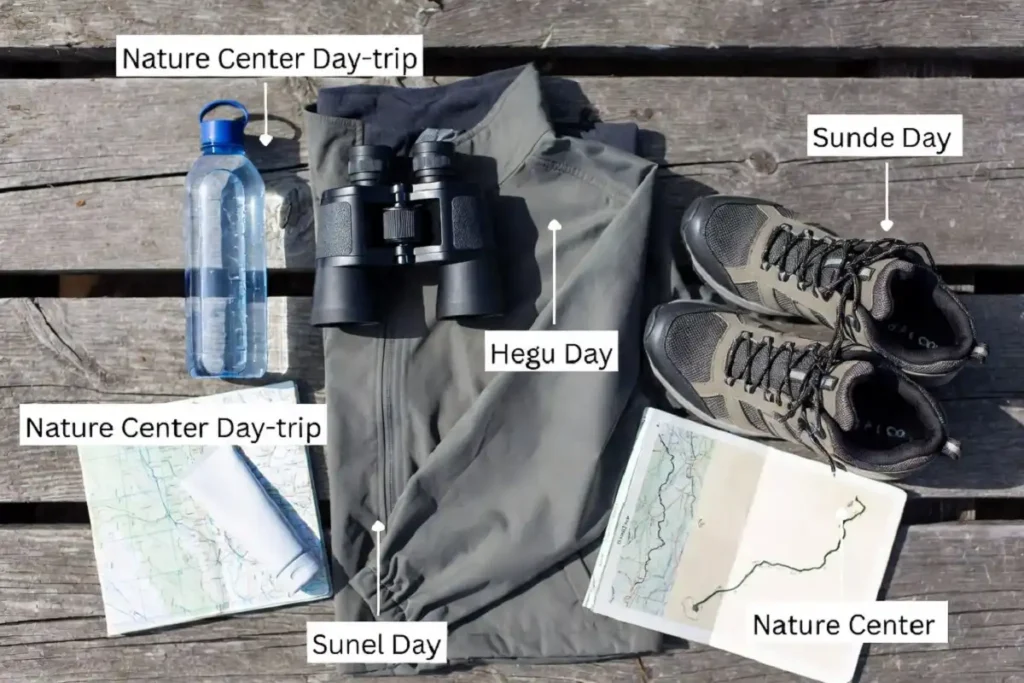
Bring water, sun protection, and layered clothing you can add or remove. Closed-toe shoes handle roots and mud better than sandals.
Pack light but smart. Binoculars help with birds and distant wildlife. A small field guide or phone app aids identification. Bug spray matters near wetlands in warm months. Toss in a snack, especially for kids.
If you plan to shoot photos, carry a lens suited to your subject. I keep a zoom lens on longer trails for wildlife I can’t approach. Good gear is a core part of nature center travel that too many first-timers overlook.
What to Expect Inside the Visitor Center
The visitor center orients you before you hit the trail. Expect maps, exhibits, restrooms, and staff who answer questions.
Stop at the front desk first. Grab a trail map and ask what’s active outside right now. Many centers post recent wildlife sightings on a whiteboard near the entrance.
Exhibits vary by location. Some feature live reptiles, fish tanks, or beehives behind glass. Others focus on the local watershed or geology. These displays help kids connect what they see inside with what they’ll find outside.
Restrooms and water fountains sit inside most buildings, so use them before you start walking. Some centers also sell field guides, snacks, and small souvenirs. Smart nature center travel always starts indoors, because that front desk sets up everything that follows.
Trail Tips for Every Skill Level
Choose a trail that matches your fitness and time, then stay on the marked path. Most nature centers rate their trails by length and difficulty near the trailhead.
Beginners and families should pick loops under a mile with flat terrain. Boardwalks over wetlands offer easy walking and great wildlife viewing. Look for interpretive signs that explain what you’re seeing.
More experienced hikers can seek out longer or hillier routes when the center offers them. Ask staff which trail leads to overlooks, water features, or quieter sections.
Read the trailhead sign before you start. It shows distance, estimated time, and any hazards. Turn around if a trail feels beyond your comfort. There’s no prize for pushing past your limit. Matching the trail to your group is what makes nature center travel work for real people, not just seasoned hikers.
Nature Center Etiquette
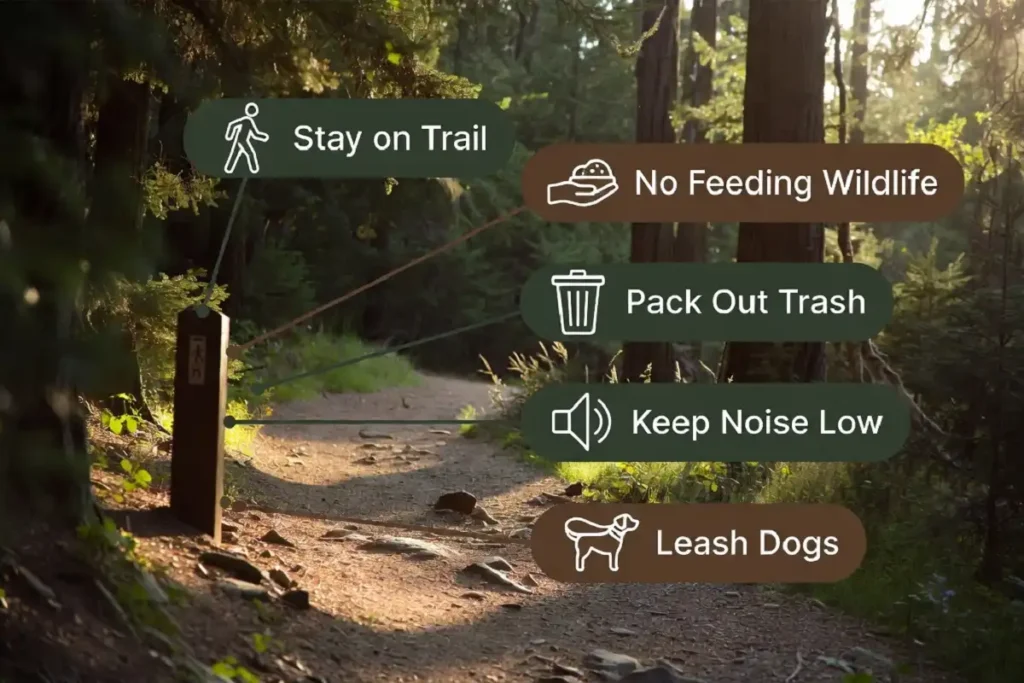
Good etiquette keeps these places wild and welcoming. Stay on trails, keep noise low, and leave everything as you found it.
The core rule is simple: take only photos, leave only footprints. Don’t pick plants, stack rocks, or feed animals. Feeding wildlife harms their health and changes their behavior.
Keep your voice down so others can hear birds and enjoy the calm. Yield to people moving uphill or faster on narrow trails. If dogs are allowed, keep yours leashed and clean up after it.
Pack out all trash, even organic scraps like apple cores. These practices, often grouped under Leave No Trace principles, protect the land for the next visitor and the wildlife that lives there. Etiquette is part of responsible nature center travel, because these preserves stay beautiful only when visitors treat them with care.
Photography at Nature Centers
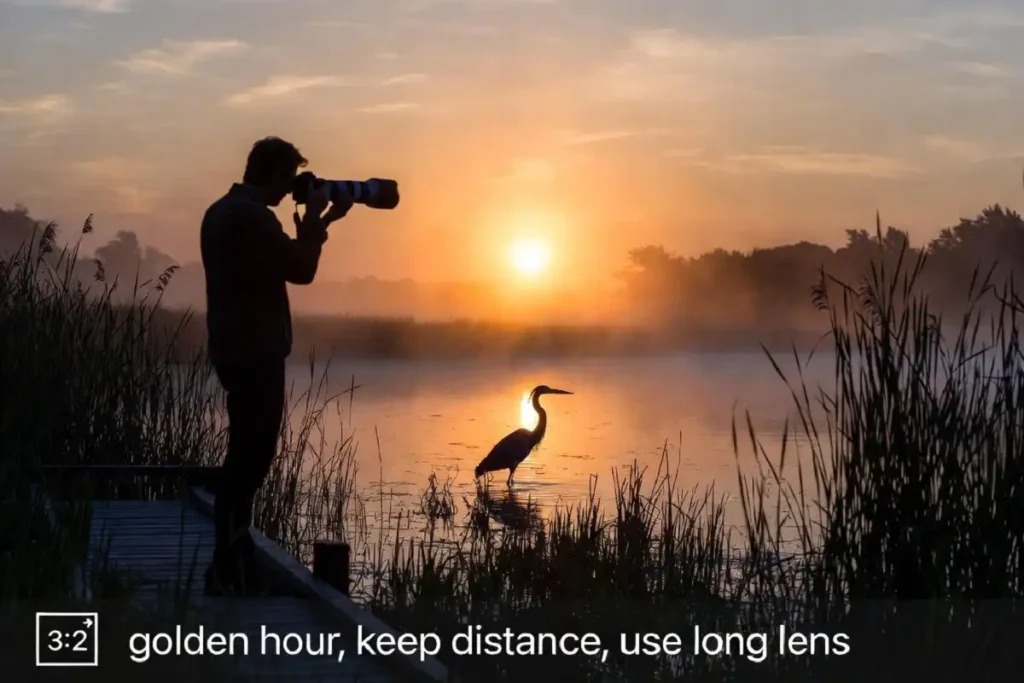
Nature centers are excellent for photography because of easy access and varied habitat. Shoot during golden hour, move slowly, and respect wildlife distance.
The hour after sunrise and before sunset gives the warmest, softest light. Harsh midday sun flattens colors and casts strong shadows. Overcast days work well for detail shots of plants and fungi.
Move quietly and pause often. Wildlife reveals itself to patient people. Keep your distance and let a long lens do the work rather than crowding an animal.
Boardwalks and overlooks make stable shooting platforms. Wetland edges reward early birders with herons and waterfowl. If you’re drawn to landscapes, notice how morning mist and low light shape a scene the way any strong nature photograph relies on timing and patience. Photography-focused nature center travel always circles back to light, since timing beats gear every time.
Visiting With Kids
Nature centers rank among the best outdoor spots for kids. Short trails, live exhibits, and hands-on displays keep young visitors curious and engaged.
Let children set a slow pace. Kids notice small things adults walk past: beetles, feathers, odd leaves. Bring a small container for safe treasures, and check the center’s collection rules first.
Many centers run junior programs, scavenger hunts, or weekend activities. Ask at the desk. A simple checklist of things to spot turns a walk into a game.
Pack extra snacks and water. Plan for a shorter visit than you would solo. Family-friendly nature center travel keeps expectations realistic, and a happy first trip builds a love of the outdoors that lasts, turning an ordinary afternoon into one of those small happy moments worth remembering.
Common Mistakes to Avoid
The biggest mistake is arriving unprepared. Skipping the weather check, wearing the wrong shoes, or ignoring trail difficulty ruins an otherwise easy day.
Don’t show up right before closing and expect a full visit. Don’t leave the trail to get a closer photo. Don’t forget water on warm days. And don’t rush; the whole point is to slow down.
Another common miss is skipping the front desk. That quick conversation gives you the day’s best sightings and any trail closures. Two minutes there saves frustration later. A little nature center travel planning steers you clear of these easy errors.
FAQs

Are nature centers free to visit?
How long should I spend at a nature center?
Can I bring my dog to a nature center?
What should I wear to a nature center?
Is nature center travel good for a short day trip?
What I’d Tell a Friend
Show up early, stop at the front desk, and let the trail set your pace. Good nature center travel only gets you to the trailhead; the quiet, the birds, and the light do the real work. Pack water, wear real shoes, and stay curious. That’s the whole secret to nature center travel that actually delivers a great day outside.