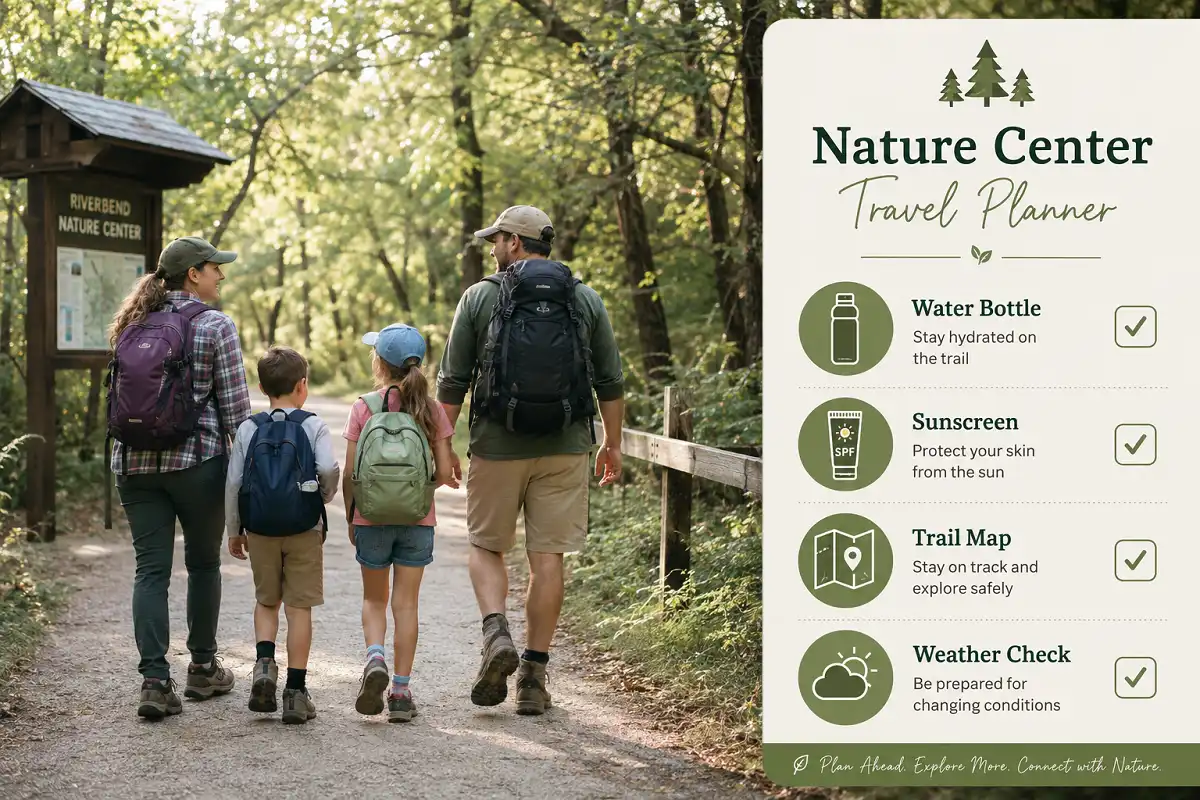
Nature Center Travel Planner: Your Full Guide
A good day at a nature center rarely happens by accident. The people who leave feeling relaxed and unhurried usually planned a little before they left home. A nature center travel planner helps you sort out timing, packing, and logistics so you spend less time guessing and more time outside. Whether you are heading out alone, with kids, or with aging parents, this guide walks through everything worth thinking about before you go, and gives you a simple template to copy for your own trip.
What Is a Nature Center Travel Planner and Why It Matters
It is simply a checklist or outline you use to prepare for a visit to a nature center, wildlife sanctuary, or nature reserve. It is not complicated. It just means writing down the basics before you leave home instead of figuring them out on the spot.
Most nature centers are run by small nonprofits or city parks departments. Hours change with the seasons, some trails close after heavy rain, and parking can fill up fast on weekends. A quick planner keeps you from showing up to locked gates or a lot with no spots left.
According to Wikipedia, a nature center is generally an organization with a visitor or interpretive center built to teach people about nature and the environment, often set inside a protected space with trails running through it. That mix of trails, exhibits, and live animal displays means a bit of planning goes a long way toward making the most of your time there.
How to Start Your Nature Center Travel Planner
Research the Right Nature Center for Your Trip
Not every nature center suits every visitor. Some focus on wetlands and birdwatching, others on forest trails or desert ecosystems. Before you build your nature center travel planner, spend ten minutes checking the center’s website for:
- Current hours and seasonal closures
- Entry fees or donation requests
- Trail length and terrain difficulty
- Any special exhibits or live animal programs
If you are looking for a specific type of visit, a detailed visitor guide for a nature arena can give you a sense of what a well-organized trip page usually covers, even if you end up going somewhere else entirely.
Set a Realistic Timeline
Decide how much time you actually have. A short nature center visit might run one to two hours, while a full day trip with trails, a picnic, and an exhibit hall can take four to six hours. Your nature center travel planner should include a rough arrival time and a backup plan in case weather changes your schedule.
Key Sections Every Nature Center Travel Planner Should Include
A solid nature center travel planner does not need to be long. It just needs to answer a few practical questions before you leave the house.
Packing List Essentials
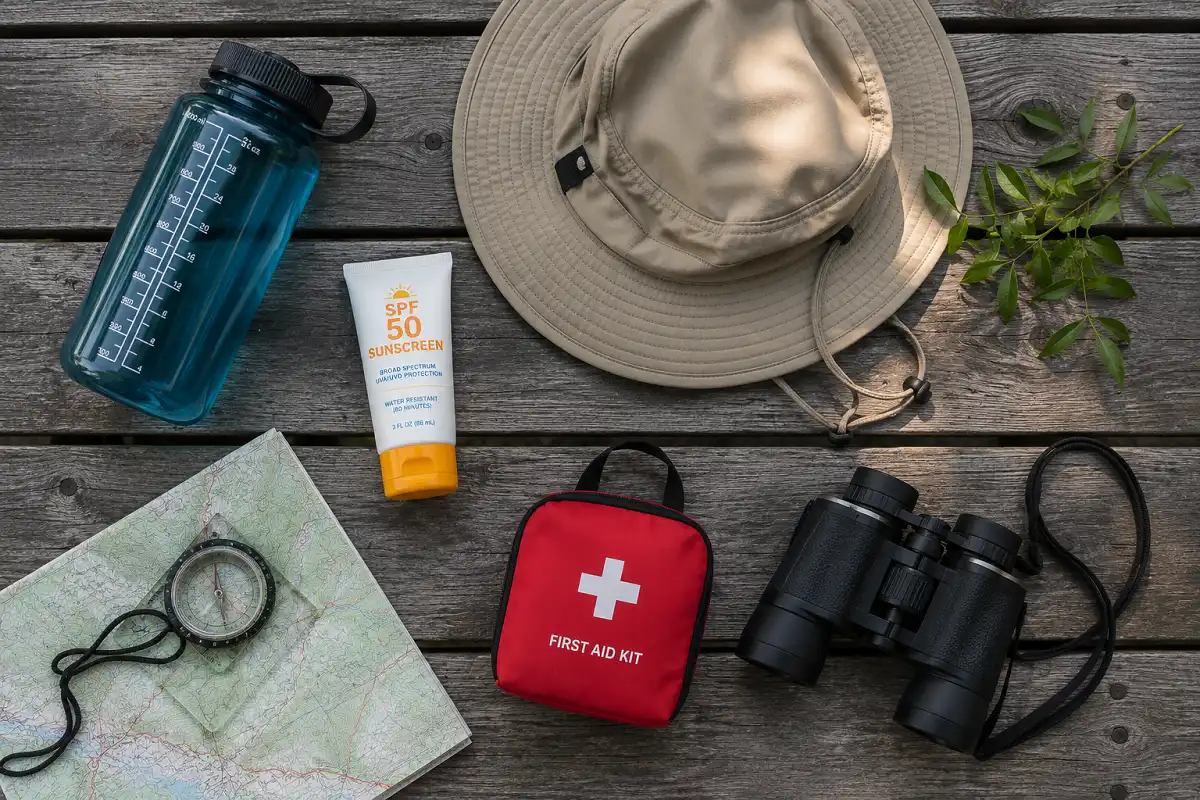
Pack light but pack smart. A basic list for most nature center trips includes:
- Comfortable closed-toe shoes
- Water bottle and light snacks
- Sunscreen and a hat
- Bug spray, especially near wetlands
- A small first aid kit
- Binoculars if birdwatching interests you
Keep this list in your nature center travel planner so you are not scrambling the morning of your trip.
Weather and Seasonal Considerations
Weather changes what a nature center visit looks like more than almost anything else. Spring often means muddy trails and active wildlife. Summer brings heat, bugs, and crowded parking on weekends. Fall usually offers the most comfortable walking conditions and good visibility through thinning tree cover. Winter can close some trails entirely, so always check ahead.
Add a weather check to your nature center travel planner the night before you leave, not just when you first book the trip.
Trail Maps and Difficulty Levels
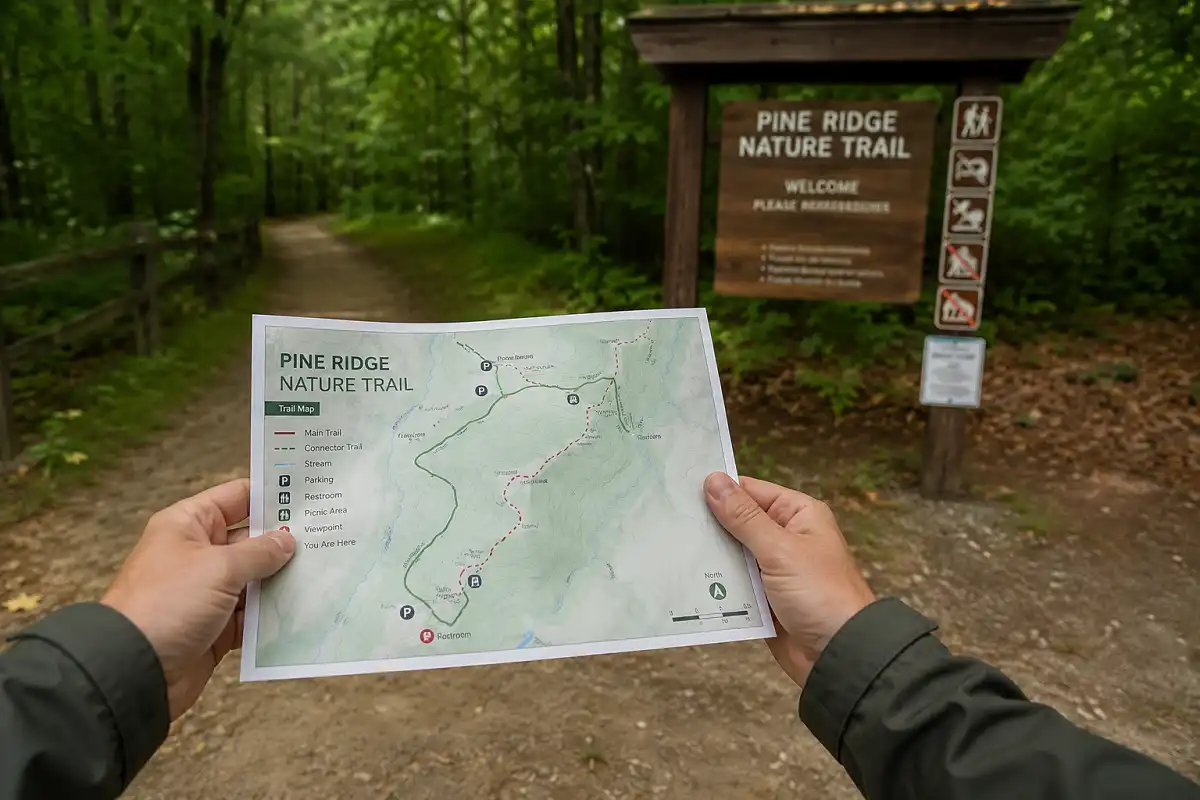
Most nature centers post trail maps online, and it is worth printing or downloading one before you arrive, since cell service is unreliable in many wooded areas. Note the distance, elevation change, and whether trails loop back to the visitor center or require backtracking. This single step prevents a lot of confusion once you are actually on the trail.
Budgeting Tips for Your Nature Center Travel Planner
Most nature centers are affordable compared to larger attractions. Many operate on a pay-what-you-can or suggested donation model. Still, a few costs are easy to forget:
- Parking fees at popular locations
- Guided tour or program add-ons
- Gift shop stops, especially with kids
- Gas or transit costs if the center is far from home
Building a small budget line into your nature center travel planner keeps the trip from costing more than expected, and it helps if you are visiting more than one location in a single day.
Planning a Nature Center Trip with Kids
Kids often set the real pace of a nature center visit. Shorter attention spans mean shorter trails, more snack breaks, and more stops at exhibits with live animals. A family-focused nature center travel planner should build in extra time, at least fifty percent more than you would plan for an adult-only trip.
Check ahead for kid-specific programs, scavenger hunts, or junior naturalist activities. Many centers offer these on weekends or during school breaks, and they can turn a simple walk into something kids actually remember.
Accessibility Notes to Add to Your Nature Center Travel Planner
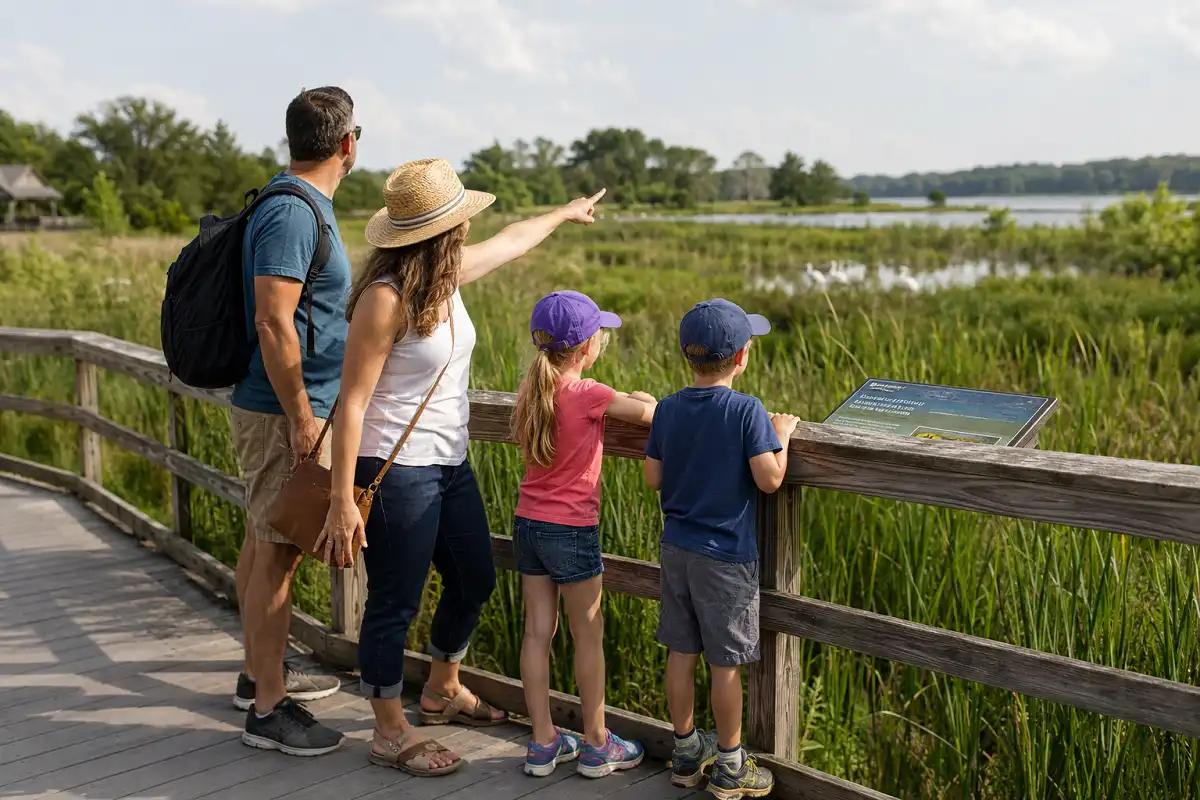
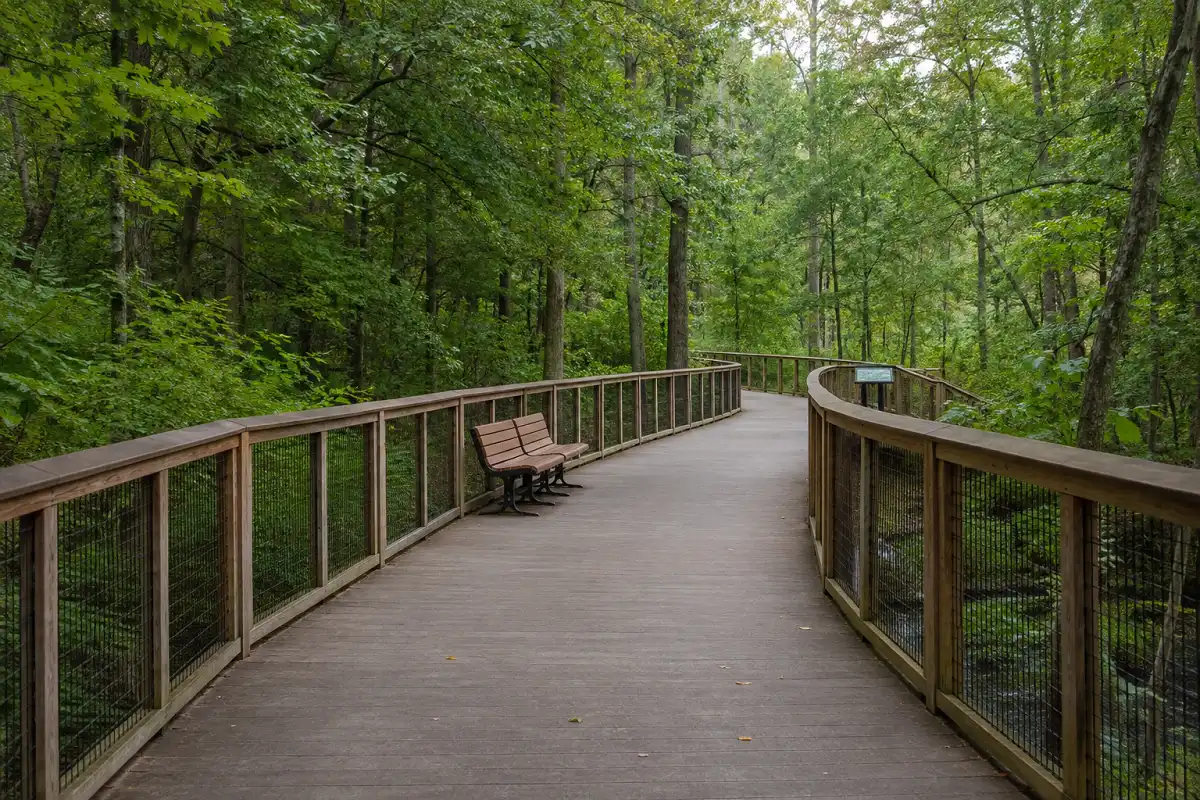
Not all trails are wheelchair or stroller friendly, and surfaces can range from paved boardwalks to loose gravel or roots. Before your visit, check whether the center lists:
- Paved or boardwalk trail sections
- Accessible parking and restrooms
- Bench or rest stop locations along trails
- Service animal policies
Calling ahead is often faster than searching the website, and staff can usually describe trail conditions in more detail than a general map shows.
Best Times of Year to Visit Nature Centers
Timing changes the entire experience. Early morning visits, especially in warmer months, mean cooler temperatures and more active wildlife. Weekday visits are usually quieter than weekends, with more parking and shorter waits at popular exhibits.
If your goal is photography or quiet observation, early morning light also happens to be one of the best times for capturing scenic outdoor shots, so add early morning weekday slots to your nature center travel planner. If your goal is a family outing with full programming, weekend mornings tend to work best since most guided activities run then.
What to Pack for a Longer Nature Center Visit
For trips longer than a couple of hours, a few extra items are worth the space in your bag:
- A lightweight rain jacket, even on clear days
- Extra layers for shaded or wooded trails
- A small trash bag to pack out any waste
- A printed or downloaded trail map
None of this needs to be complicated. The goal of a nature center travel planner is simply to remove the guesswork so you can focus on the trip itself.
Common Mistakes to Avoid When Planning
A few mistakes show up again and again with first-time visitors:
- Arriving without checking seasonal hours
- Skipping sunscreen or bug spray
- Underestimating trail distance
- Forgetting cash for parking or donation boxes
- Not checking weather the morning of the trip
Working through these ahead of time in your nature center travel planner saves you from the most common frustrations other visitors run into.
Sample Nature Center Travel Planner Template
Here is a simple template you can copy and adjust for your own trip:
- Center name and address
- Hours and any seasonal closures
- Entry fee or donation amount
- Arrival time and estimated visit length
- Trail choice and difficulty level
- Packing checklist
- Weather check completed (yes or no)
- Backup plan if weather changes
- Kid or accessibility notes, if needed
Keep this list on your phone or print it out. A short nature center travel planner like this one takes less than ten minutes to fill out and can save you a lot of hassle later.
FAQs

What should I bring on a nature center visit?
How long does a typical nature center visit take?
Are nature centers good for young kids?
Do I need to book a nature center visit in advance?
What is the best season to visit a nature center?
Conclusion
A nature center travel planner does not need to be complicated to be useful. A short checklist covering timing, packing, weather, and budget can turn a rushed, uncertain trip into a relaxed one. Whether you are visiting alone, with kids, or with family members who need accessible trails, a little preparation goes a long way. Keep your planner simple, adjust it for each trip, and you will spend less time worrying about logistics and more time actually enjoying the outdoors.