Beautiful Nature Photography Ideas for Every Skill
Nature photography is one of the most rewarding ways to connect with the world around you. Whether you are just starting out or have been shooting outdoors for years, there is always something new to discover. The right idea at the right moment can turn a simple walk into a powerful set of images. These beautiful nature photography ideas will help you see your surroundings differently, improve your technique, and bring more intention to every shoot you go on. This guide covers the most practical and creative approaches you can start using right away.
Why Beautiful Nature Photography Ideas Matter Before You Shoot
Going outdoors with a clear idea in mind changes everything. Without a direction, it is easy to wander and come back with photos that feel scattered. When you have a theme or a goal, your eye sharpens. You start noticing light, texture, and movement in ways you would otherwise miss.
The best beautiful nature photography ideas are not complicated. They are simply focused. A single decision, like committing to shoot only reflections or only silhouettes for the day, can produce a more consistent and satisfying set of images than shooting everything at random.
Good preparation also means you spend less time second-guessing your shots and more time actually capturing them. Having a loose plan does not limit creativity. It gives you a foundation to build from.
Best Beautiful Nature Photography Ideas to Try
1. Shoot During Golden Hour
Golden hour is the period shortly after sunrise and just before sunset. The light during this time is soft, warm, and directional. It wraps around subjects in a way that midday light simply cannot match.
To make the most of golden hour:
- Arrive at your location 20 to 30 minutes early so you can set up without rushing.
- Look for long shadows that add depth to flat landscapes.
- Use the warm tones to highlight natural textures like bark, grass, and rock.
Golden hour is one of the most recommended beautiful nature photography ideas for a reason. The quality of light it produces is simply unlike any other time of day. For more inspiration on how light transforms a scene, take a look at this collection of stunning earth beauty shots from 2026 that show just how much quality light matters.
2. Explore Macro Photography in Nature
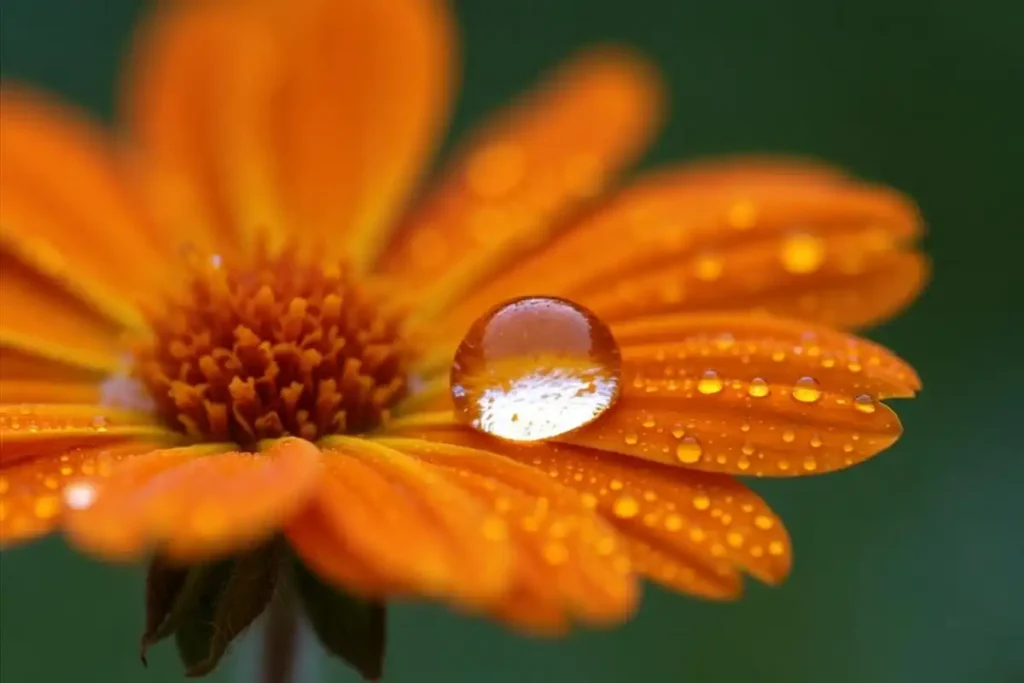
Macro photography lets you show the world at a scale most people never notice. A single dewdrop on a spider web, the texture of a lichen-covered stone, or the pattern inside a flower become entire worlds when you get close enough.
You do not need expensive gear to start. Many kit lenses can focus reasonably close, and extension tubes are an affordable way to increase magnification. What matters most is a steady hand or a tripod, soft light, and patience.
Macro work is one of those ideas that anyone can explore in their own backyard. You do not have to travel far to find compelling subjects at a small scale.
3. Use Leading Lines in Landscapes
Leading lines are one of the most effective compositional tools in photography. A winding river, a path through a forest, a row of fence posts disappearing into the horizon. These elements guide the viewer’s eye into the frame and create a sense of depth.
When you are scouting a location, look for natural lines in the landscape. Roads, shorelines, ridgelines, and even the shadows cast by trees can all serve this purpose. Pair a strong leading line with an interesting background and your landscape images will feel much more immersive.
4. Photograph Water in Different Ways
Water behaves differently depending on your shutter speed, and that gives you creative control over how it looks in a photograph.
- A fast shutter speed (1/500s or faster) freezes individual droplets in a waterfall or captures the peak of a wave.
- A slow shutter speed (half a second to several seconds) turns moving water into a smooth, silky flow that can look almost dreamlike.
Both approaches are valid. The key is knowing which one suits the mood you want to create. Experiment with both on the same day and compare the results.
5. Look for Reflections
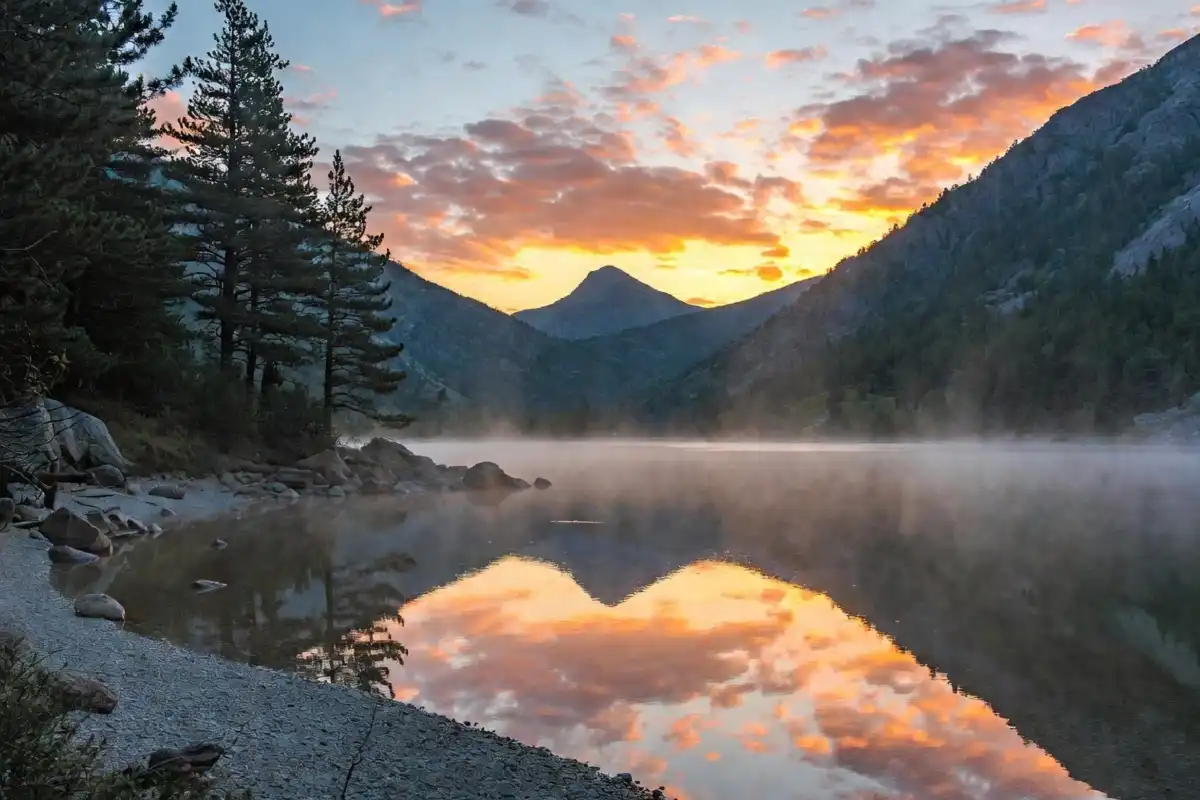
Still water turns any landscape into a mirror. Lakes, ponds, puddles, and even wet pavement after rain can give you a perfectly symmetrical composition. Reflections work especially well at dawn when the air is calm and the surface is undisturbed.
Get low to the ground to maximize the reflection in your frame. A polarizing filter can help you reduce glare when shooting in bright conditions, or you can lean into the glare depending on the look you are after.
Reflection shots are among the most shared beautiful nature photography ideas on social media, and for good reason. They create a natural symmetry that draws the eye without any extra effort. For ideas on how these compositions translate into everyday visual inspiration, browse through these nature wallpapers for desktop and phone to see the range of styles that work well.
6. Capture Weather and Atmosphere
Overcast days, morning fog, storm clouds, and light rain all create atmosphere that clear sunny days do not. Many photographers pack up when the weather turns, but that is exactly when some of the most interesting images happen.
Fog adds mystery and depth. Storm light just before or after rain is dramatic and unlike anything you see on a clear day. Light breaking through cloud cover creates natural spotlights across a landscape.
Understanding how weather affects light and mood is one of the things that separates good nature photographs from great ones. According to Wikipedia’s overview of landscape photography, weather conditions have long been one of the most studied factors in outdoor photography because of how dramatically they change the visual outcome.
7. Focus on Seasonal Themes
Each season gives you a completely different palette to work with.
- Spring brings fresh green tones, blossoms, and soft overcast light.
- Summer offers bold colors, long days, and dramatic cloud formations.
- Autumn is known for warm reds and yellows, fallen leaves, and low-angle light.
- Winter strips many scenes back to black, white, and grey, creating stark, graphic compositions.
Seasonal shooting is one of the beautiful nature photography ideas that keeps giving. Shooting the same location across different seasons teaches you how much environment and timing matter to the final image. You end up with a visual diary of a single place as it changes throughout the year.
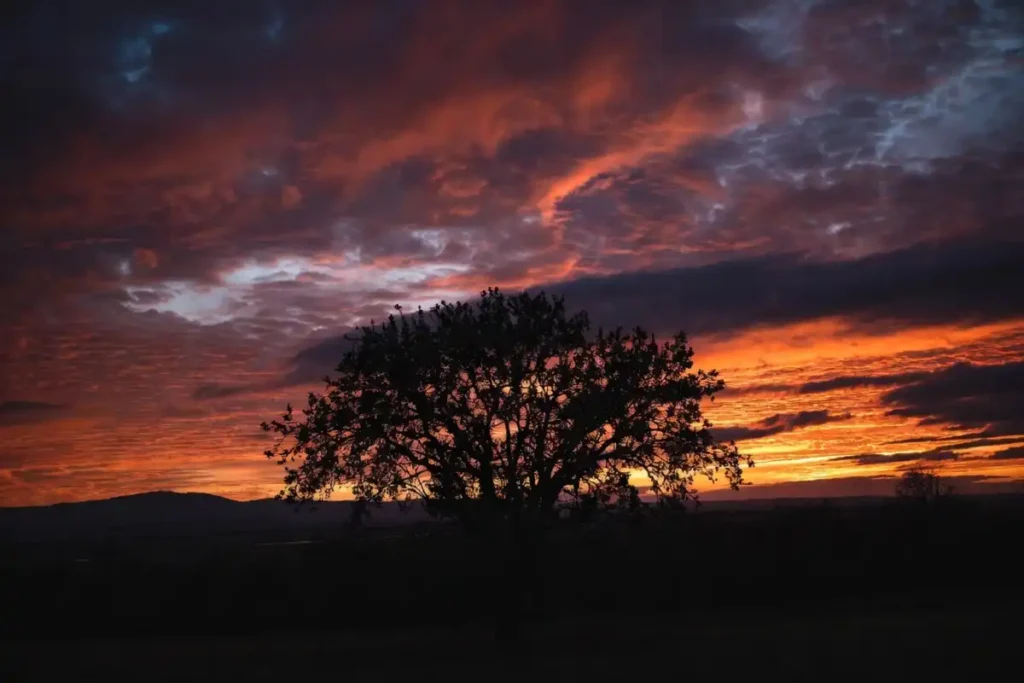
8. Try Silhouette Photography at Dusk
Silhouettes work when a strong backlight source, usually the sky just after sunset, is significantly brighter than your subject. Trees, lone figures, birds on a wire, or rock formations all make strong silhouette subjects.
For a clean silhouette, expose for the sky, not the subject. The foreground will go dark, leaving only the shape. Simple, recognizable shapes work best. A tree with interesting branching structure or a bird in flight are classic choices for a reason.
9. Get Creative with Forests and Woodland
Forests offer a unique challenge and reward in nature photography. The uneven light filtering through a dense canopy creates a patchwork of bright spots and deep shadows. This can be difficult to expose for, but when it works, the results are striking.
Look for rays of light cutting through early morning mist. Position yourself so a beam of light leads to an interesting subject. Use the trunks of trees as framing elements to draw attention to a clearing or a single point of interest.
Forests also change dramatically with the seasons, so returning to the same woodland across the year gives you a rich set of images that tell a broader story. Woodland light rewards patience more than almost anything else.
10. Photograph Wildlife in Their Natural Setting
Wildlife photography requires patience above almost everything else. Animals do not follow a schedule, and the best images usually come from spending time in a location and waiting for something to happen.
A few practical tips:
- Learn the habits of the animals you want to photograph. Knowing when and where a particular bird feeds or rests is more valuable than any camera setting.
- Move slowly and quietly. Sudden movements scare most wildlife away.
- Use a longer focal length to keep your distance while still filling the frame.
For a comprehensive look at what makes great wildlife photography, the National Geographic Photography guide on wildlife techniques is an excellent resource for understanding the ethics and craft involved.
How to Use Light to Elevate Beautiful Nature Photography Ideas
Light is the single most important element in any photograph, and in nature photography it is both your main tool and your biggest variable. You cannot control the sun, but you can choose when and where you shoot.
Directional light from low angles creates texture. Diffused light from overcast skies reduces harsh shadows and works well for close-up work. Backlight adds drama and can produce lens flare or beautiful rim lighting around subjects.
Understanding how different light conditions affect your images will change how you plan your shoots. Learning to read light is a skill that develops over time, and it is one of the most rewarding things you can train yourself to notice.
For more ideas on translating your outdoor shots into everyday visual inspiration, check out these mobile-friendly nature wallpapers that demonstrate a wide variety of successful compositions and lighting conditions.
Equipment Tips for Nature Photography
You do not need professional-level gear to pursue beautiful nature photography ideas successfully. Many powerful images have been captured with entry-level cameras or even smartphones. That said, a few tools genuinely help.
- A tripod makes a significant difference for low-light shooting, long exposures, and macro work.
- A polarizing filter reduces glare on water and deepens the blue of skies.
- Extra batteries and memory cards are practical necessities, not luxuries.
- Weather sealing on a camera or lens matters when you are shooting in rain or near water.
The HubSpot guide on visual content quality notes that image quality significantly affects how audiences engage with content, which applies equally to photography shared online or in print.
FAQs

What are the most popular beautiful nature photography ideas for beginners?
What is the best time of day for nature photography?
Do I need an expensive camera to explore beautiful nature photography ideas?
How do I find good locations for nature photography?
What camera settings should I use for landscape photography?
How do I make my nature photos look more professional?
Conclusion
Beautiful nature photography ideas are around you every single day. The light changes hourly, the seasons shift, and no two locations ever look quite the same twice. The ideas covered here are a starting point, not a checklist. Pick one or two that appeal to you and focus on them during your next shoot. Over time, your eye will develop, your technique will sharpen, and the images you create will start to reflect the intention behind them. Nature rewards patience, curiosity, and a willingness to show up. So get outside, take your time, and see what you find.