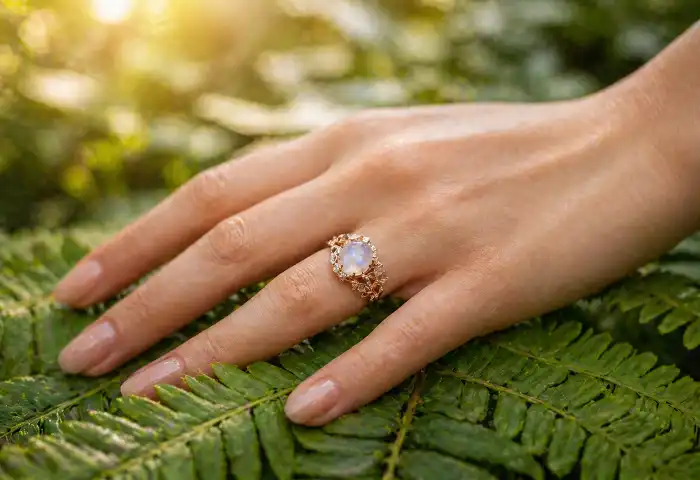
Nature Inspired Engagement Rings: Ultimate Guide
There is something deeply romantic about wearing a piece of the natural world on your finger as a symbol of love and commitment. Nature inspired engagement rings have surged in popularity over recent years, and it is easy to understand why. These rings draw from the timeless beauty of forests, oceans, gardens, and skies — transforming organic shapes and textures into wearable works of art that carry profound meaning.
Unlike traditional solitaire settings that follow a predictable formula, nature inspired engagement rings offer infinite variety. Whether you are drawn to the delicate symmetry of a blossoming flower, the elegant curve of a vine, the intricate detail of a leaf, or the raw power of ocean waves, there is a nature-inspired design that speaks directly to your personal story.
In this comprehensive guide, we will explore every dimension of nature inspired engagement rings — from the symbolism behind popular motifs to choosing the right metal, gemstone, and designer. By the end, you will have all the knowledge you need to find or create a ring that feels as unique and enduring as your love.
What Are Nature Inspired Engagement Rings?
Nature inspired engagement rings are jewelry pieces that incorporate design elements drawn directly from the natural world. These elements can appear in the band, the setting, or the overall silhouette of the ring. Common motifs include:
- Floral designs: Roses, daisies, lotus flowers, cherry blossoms
- Botanical elements: Leaves, vines, ferns, branches, and twigs
- Animal motifs: Butterflies, dragonflies, birds, and serpents
- Celestial themes: Stars, moons, suns, and galaxies
- Geological elements: Raw crystals, pebble textures, river stone shapes
- Water-inspired designs: Waves, ripples, and flowing water forms
- Forest motifs: Tree bark texture, woodland mushrooms, acorn shapes
The beauty of nature inspired engagement rings lies in their storytelling quality. Each design carries its own symbolism, allowing couples to choose a ring that reflects not just their aesthetic preferences, but the deeper meaning of their relationship.
The Rich Symbolism Behind Nature-Inspired Motifs
One of the most compelling reasons couples choose nature inspired engagement rings is the rich symbolic language embedded in each design element.
Floral Motifs
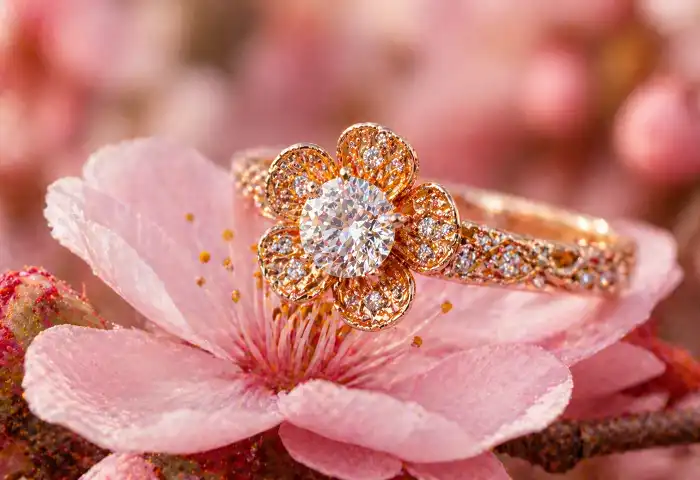
Flowers have been symbols of love and romance across virtually every culture in human history. A rose-inspired ring speaks of passionate, enduring love — the same sentiment Shakespeare explored in his sonnets. A lotus flower design carries connotations of purity and spiritual awakening, symbolizing a love that rises above challenges just as the lotus blooms from muddy waters. Cherry blossom rings evoke the Japanese concept of mono no aware — the bittersweet beauty of transient, precious moments — making them deeply poetic choices for an engagement ring.
Leaf and Vine Designs
Leaves and vines represent growth, renewal, and the intertwining of two lives. A vine-wrapped band is a visual metaphor for two people growing together, supporting each other, reaching upward toward something greater. Ivy, in particular, has historically symbolized fidelity and eternal bonds. These nature inspired engagement rings are especially popular among couples who want a design that speaks to partnership and mutual flourishing.
Woodland and Forest Themes
Forest-inspired rings featuring oak leaves, acorns, tree bark textures, or branch settings — carry connotations of strength, wisdom, and rootedness. Oak trees in particular have been revered across Celtic, Norse, and Greek traditions as symbols of endurance and power. A ring inspired by the forest speaks to a love that is grounded, steady, and built to weather every season.
Ocean and Water Motifs
Wave rings and water-inspired settings speak to depth, fluidity, and the endless, rhythmic nature of true love. These designs are especially meaningful for couples who feel a spiritual connection to the sea. Aquamarine gemstones, sea glass colors, and pearl settings complement ocean-themed nature inspired engagement rings beautifully.
Celestial Designs
While technically not from the earthly natural world, celestial motifs moons, stars, suns, and constellation patterns are firmly rooted in humanity’s relationship with the natural cosmos. A crescent moon ring can symbolize the cyclical nature of love, always waxing and waning but never disappearing. Star-studded pavé settings evoke a night sky captured forever in precious metal.
Popular Styles of Nature Inspired Engagement Rings
1. Floral Halo Settings
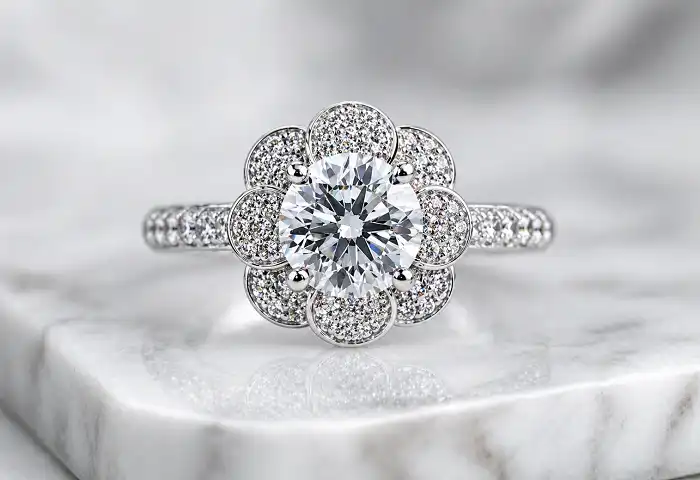
The floral halo setting is perhaps the most iconic of all nature inspired engagement rings. In this design, the center stone is surrounded by a ring of smaller gemstones arranged to resemble a blooming flower. The result is a ring that appears to frame the center stone with petals, creating an effect that is both maximalist and incredibly romantic
Floral halo settings work particularly well with round brilliant, oval, and cushion-cut center stones. Rose-cut diamonds are a particularly beautiful and historically resonant choice for these settings, as the rose cut itself was developed in the 16th century and has a domed, faceted surface that mimics the layered petals of an opening rose.
2. Vine and Branch Bands
Twisted vine bands and branch-inspired shanks have become increasingly popular as nature inspired engagement rings. In these designs, the band itself is sculpted to look like twisting vines or intertwining branches sometimes extending up to cradle the center stone in what appears to be an organic, natural embrace.
These designs often incorporate fine details like tiny leaves, buds, or even small bezel-set accent stones nestled among the vines. The craftsmanship required to execute these designs well is considerable, which is why they are typically found among artisan and custom jewelers rather than mass-market brands.
3. Leaf Prong Settings
A clever and visually distinctive variation on traditional claw prongs, leaf prong settings replace the standard metal claws with sculpted leaves that appear to grow up from the band and curl gently around the center stone. This design gives nature inspired engagement rings an organic, growing quality as though the ring is alive and the gemstone is a drop of rain or dew nestled in the heart of a flower.
Leaf prong settings are particularly stunning in yellow gold, which echoes the warm, autumnal colors of turning leaves, or in rose gold, which has a natural warmth that complements botanical motifs beautifully.
4. Twig and Branch Solitaires
Minimalist in spirit but deeply detailed in execution, twig solitaires feature a band crafted to resemble a simple branch or twig. The texture of bark may be lightly engraved into the metal, and the stone is set atop the branch in a setting that feels both effortless and intentional. These nature inspired engagement rings appeal to those who want something understated but unmistakably special.
5. Raw and Rough Stone Settings
A growing trend in nature inspired engagement rings is the use of uncut, rough gemstones — diamonds, sapphires, emeralds, and other precious stones in their natural, unpolished form. These stones are set in simple bezels or minimal prong settings that allow the natural shape and texture of the stone to be the star of the show.
Raw stone rings appeal to those who want a nature inspired engagement ring that is as close to the earth as possible — a stone plucked from the ground and set into metal with minimal human interference. They carry an authenticity and wildness that polished, faceted stones simply cannot replicate.
6. Enamel Floral Designs
For couples who want color and whimsy in their nature inspired engagement rings, enamel floral designs offer a beautiful option. Translucent or opaque enamel is applied to sculpted metal flowers, leaves, or vines, creating rings that look like tiny botanical illustrations captured in gold and glass. These designs have a vintage, Art Nouveau quality that feels both historical and fresh.
Choosing the Right Metal for Nature Inspired Engagement Rings
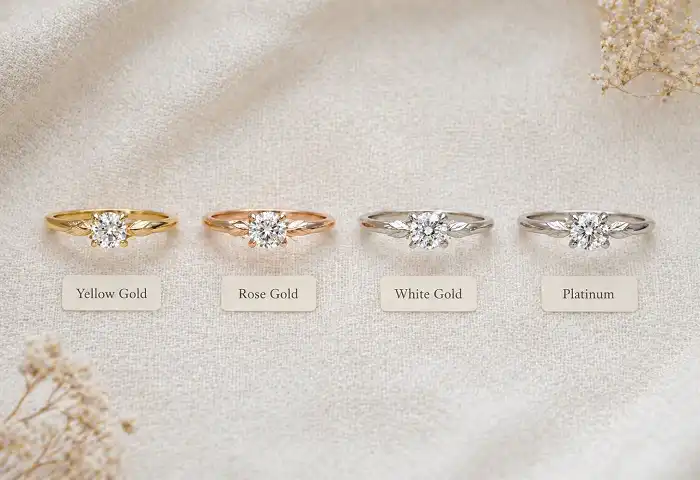
The metal you choose for your nature inspired engagement ring has a significant impact on the overall look and feel of the piece.
Yellow Gold
Yellow gold is the classic choice for nature inspired engagement rings with a warm, romantic aesthetic. It pairs beautifully with earth tones, autumn leaves, and floral designs. Historically, botanical jewelry has often been crafted in yellow gold, giving these rings a timeless, heirloom quality. 18k yellow gold strikes the ideal balance between richness of color and durability.
Rose Gold
Rose gold has become one of the most popular metals for nature inspired engagement rings in recent years, and for good reason. Its warm, pinkish hue echoes the colors of cherry blossoms, roses, and sunset skies making it a natural partner for floral and botanical designs. Rose gold also photographs beautifully, which matters in the age of Instagram and Pinterest.
White Gold and Platinum
For those who prefer a cooler, more modern aesthetic, white gold and platinum provide a clean, bright canvas that allows intricate nature-inspired details to stand out sharply. White metals pair particularly well with icy blue sapphires, white diamonds, and moonstone creating rings with a wintry, celestial, or oceanic feeling.
Mixed Metals
Some of the most creative nature inspired engagement rings use mixed metals combining yellow and white gold, or gold and oxidized silver to create contrast and visual depth. A ring with a white gold band and yellow gold leaf prongs, for example, can evoke the look of autumn leaves against a pale sky.
Best Gemstones for Nature Inspired Engagement Rings
While diamonds remain the most popular choice for engagement rings, the nature-inspired aesthetic opens the door to a much wider world of gemstones.
Diamonds
Classic white diamonds complement virtually any nature-inspired design. However, for these rings, look beyond the standard round brilliant. Rose-cut diamonds, old mine cuts, and salt-and-pepper diamonds all carry a more organic, less industrial quality that suits nature-inspired settings beautifully. Salt-and-pepper diamonds — with their inclusions of black and gray — look particularly striking in raw, woodland-inspired settings.
Sapphires
Available in a stunning spectrum of colors, sapphires are among the best choices for nature inspired engagement rings. Blue sapphires evoke ocean depths and summer skies. Green sapphires recall forest canopies and meadow grasses. Yellow sapphires echo the warm gold of sunflowers and autumn leaves. Padparadscha sapphires — a rare pinkish-orange variety — have the color of a tropical sunrise or a lotus blossom.
Emeralds
With their deep, lush green color, emeralds are perhaps the most inherently nature-inspired of all gemstones. An emerald set in a leaf or vine nature inspired engagement ring creates a jewel that feels like it was conjured directly from the heart of a forest.
Morganite
Morganite’s soft, peachy-pink color makes it a natural partner for floral nature inspired engagement rings, particularly those in rose gold. It has a gentle, romantic warmth that feels both contemporary and timeless.
Moonstone
With its ethereal adularescence the floating, glowing light that seems to move within the stone — moonstone is a magical choice for nature inspired engagement rings with celestial or water themes. It carries an otherworldly quality that makes it feel like a captured piece of moonlight.
Labradorite
Labradorite’s spectacular color play shifting between blue, green, gold, and violet makes it one of the most visually striking choices for nature inspired engagement rings. It pairs beautifully with dark, oxidized metals and woodland or celestial themes.
Opals
Opals, with their fiery play-of-color, are among the most spectacular and distinctive gemstones for nature inspired engagement rings. Australian opals in particular carry colors that evoke sunsets, aurora borealis, and tropical oceans. While opals require careful handling due to their relative softness, their visual impact is unmatched.
How to Care for Nature Inspired Engagement Rings
The intricate details that make nature inspired engagement rings so beautiful also require special attention when it comes to care and maintenance.
Cleaning: Use a soft-bristled toothbrush and warm water with a small amount of mild dish soap to clean the detailed areas of your ring. Pay particular attention to the spaces between vine details, leaf prongs, and floral elements where dust and lotion can accumulate. Rinse thoroughly and dry with a lint-free cloth.
Avoiding Damage: The fine, delicate details on nature inspired engagement rings thin vines, leaf tips, petal edges — can be vulnerable to bending or snagging. Remove your ring before gardening, heavy exercise, swimming, or any activity that might expose it to impact or chemicals.
Professional Maintenance: Have your ring inspected and professionally cleaned at least once a year. A jeweler can check that prongs and settings remain secure, re-tip any worn prong tips, and polish away minor scratches.
Storage: Store your nature inspired engagement ring separately from other jewelry to prevent scratching. A soft-lined ring box or fabric pouch is ideal.
Custom vs. Ready-Made Nature Inspired Engagement Rings
Ready-Made Rings
Many jewelers from large brands to independent artisans on platforms like Etsy offer ready-made nature inspired engagement rings that can be purchased and sized without a long wait. These are ideal for those who want a specific, well-defined aesthetic and prefer to see and touch the ring before purchasing.
Custom-Made Rings
For those with a clear vision and a desire for a truly one-of-a-kind piece, commissioning a custom nature inspired engagement ring is a deeply rewarding experience. Working with a skilled artisan jeweler, you can collaborate on every detail the specific botanical motif, the metal type, the gemstone, the setting style, and even the finish.
Custom rings typically take between six and twelve weeks to complete and cost more than comparable ready-made pieces, but the result is a ring that no one else in the world possesses a piece that is as unique as your relationship.
Top Questions People Ask About Nature Inspired Engagement Rings
Are nature inspired engagement rings trendy or timeless?
While the current popularity of nature inspired engagement rings reflects broader trends toward individuality and meaningful jewelry, the motifs themselves flowers, leaves, vines, celestial bodies have been used in jewelry for thousands of years. These designs are fundamentally timeless, even when executed in contemporary styles.
What is the most popular nature-inspired ring style?
Floral halo settings and vine-wrapped bands are consistently among the most popular styles. However, leaf prong settings have seen significant growth in recent years as a more subtle way to incorporate nature themes.
Can I wear a nature inspired engagement ring every day?
Yes, with proper care. Choose a metal with good durability (platinum or 18k gold), ensure any delicate details are set securely by a skilled jeweler, and remove the ring during activities that could cause damage.
How much do nature inspired engagement rings cost?
Pricing varies enormously based on metal, gemstone, and design complexity. Simple leaf-band rings with semi-precious stones can start at a few hundred dollars, while elaborate custom pieces in platinum with high-quality diamonds can reach tens of thousands.
Finding the Perfect Nature Inspired Engagement Ring
As you begin your search for the perfect nature inspired engagement ring, consider these guiding principles:
Let the symbolism guide you. Think about what aspects of nature resonate most deeply with your relationship. Are you two forest wanderers, ocean lovers, stargazers, or garden tenders? Let that identity inform your motif choice.
Prioritize craftsmanship. The intricate details that define nature inspired engagement rings require exceptional skill to execute well. Seek out jewelers with demonstrated expertise in this style — look at multiple photos of their work and, when possible, examine pieces in person.
Consider wearability. The most beautiful ring is one you can wear comfortably and confidently every day. Discuss with your jeweler how different designs affect durability and practical wear.
Choose a gemstone with personal meaning. Whether it is a birthstone, a stone tied to a meaningful place, or simply a color that speaks to both of you, a gemstone with personal resonance transforms a beautiful ring into a deeply meaningful one.
Conclusion: Nature Inspired Engagement Rings as a Living Symbol
At their very best, nature inspired engagement rings do something that conventional rings cannot: they make the abstract tangible. They take the wild, growing, ever-changing nature of love and give it a form you can hold in your hand and wear close to your heart.
A ring with leaves that seem to grow around a glowing gemstone is not just a piece of jewelry. It is a miniature garden, a preserved moment of natural beauty, a visual vow that your love like the natural world is alive, growing, and endlessly capable of renewal.
Whether you choose a delicate cherry blossom setting, a bold raw diamond nestled in oxidized silver, or a sweeping vine of rose gold curling around a dreamy moonstone, your nature inspired engagement ring will carry a piece of the living world with you everywhere you go — a reminder that the greatest love stories, like the greatest forests, are built slowly, tended carefully, and designed to last for generations.